On this page
What he is after
He seeks a jigane (地鉄, the visible steel of the blade) with the character of the kotō period, with its own provenance and life, and fit for a sword of real use. In 2024 he criticised the fact that today’s steel comes from a single foreign sand, white, hard and brittle in his view, and presented pieces made with five mixed sands and with two.
He considers himself a craftsman, not an “artist”, and defends the cutting sword against the one that is only contemplated.
The knives
He also makes kitchen knives that he calls nihontō hōchō (日本刀包丁): tamahagane from his tatara, folded and given yaki-ire as in a sword, and all of steel, in the manner of the knives of the Edo period. A 2026 report is devoted mainly to them (“Videos” page).
Gallery of works
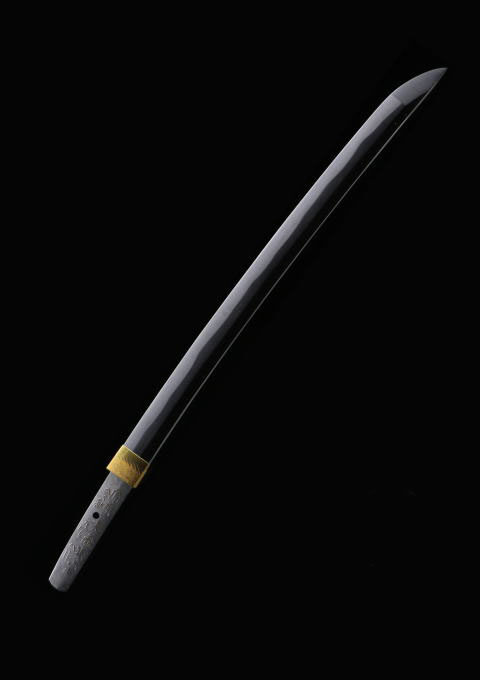
A blade by Ueda Sukesada, with a gilt habaki. Photo: the smith himself 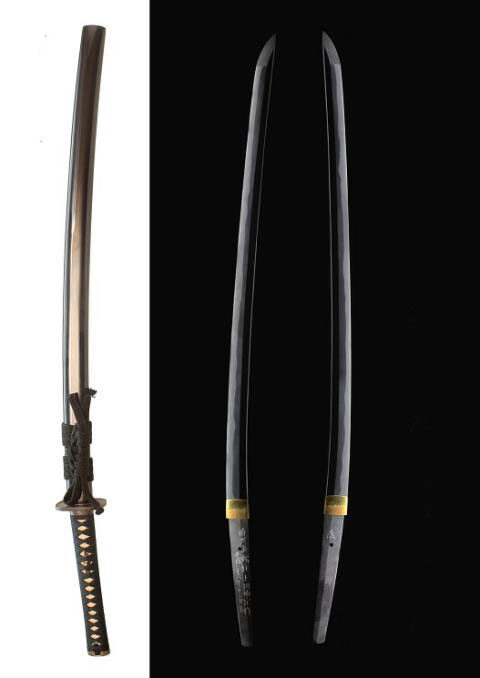
A blade by Ueda Sukesada with its mounting and, beside it, two bare blades. Photo: the smith himself 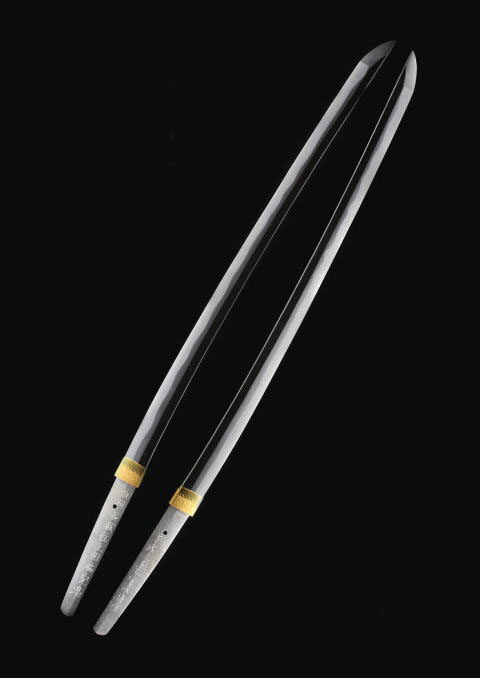
Two blades by Ueda Sukesada, front and back. Photo: the smith himself 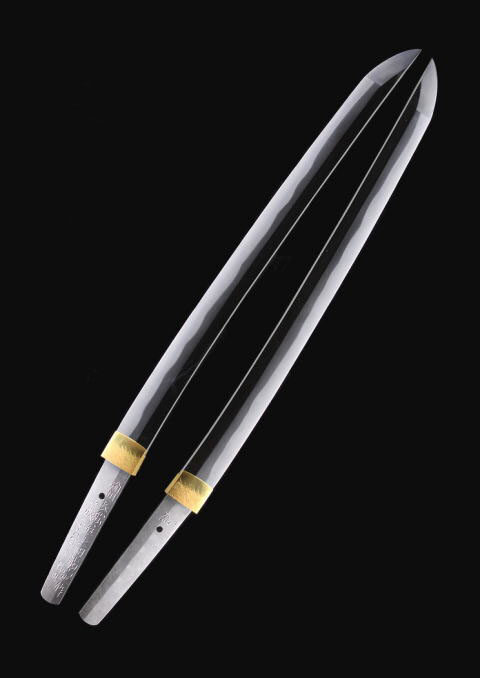
Two wide blades by Ueda Sukesada, with hi. Photo: the smith himself 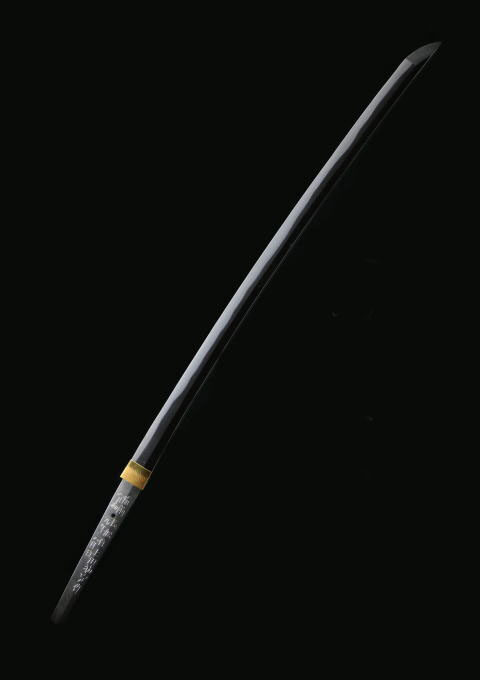
A long blade by Ueda Sukesada, with his signature on the tang. Photo: the smith himself 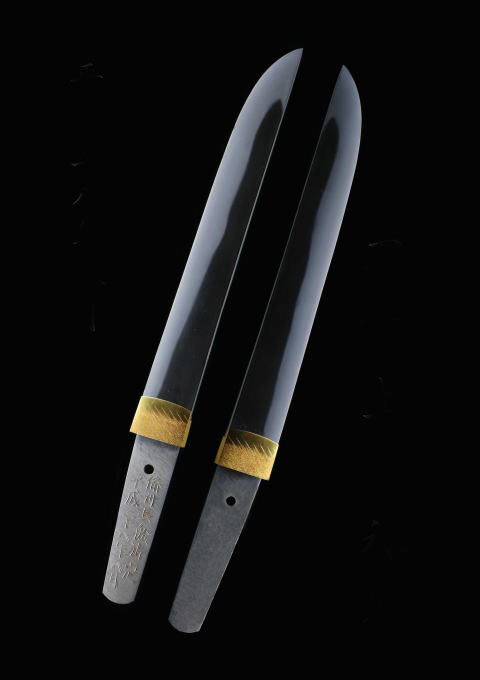
Two short blades by Ueda Sukesada, with their signatures. Photo: the smith himself 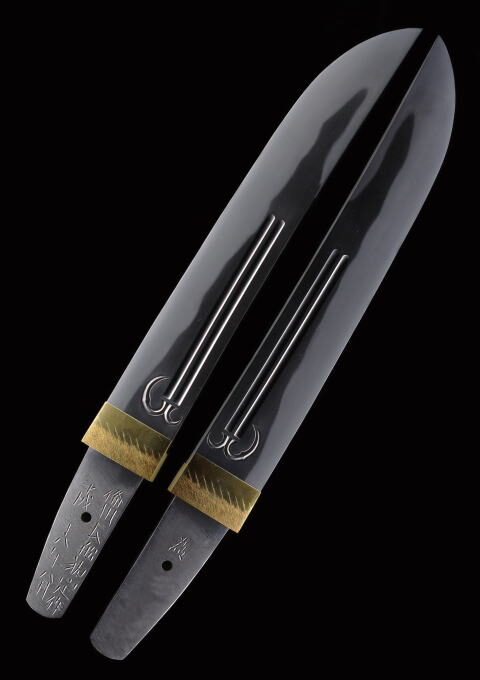
Two short blades by Ueda Sukesada, with hi and carving. Photo: the smith himself 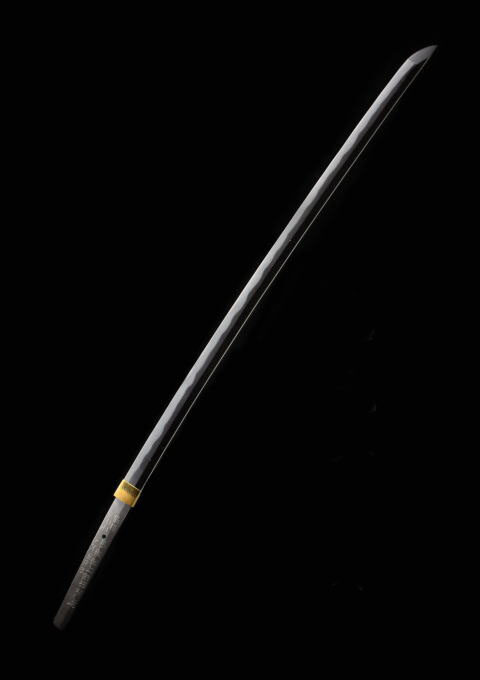
A long blade by Ueda Sukesada, in full. Photo: the smith himself 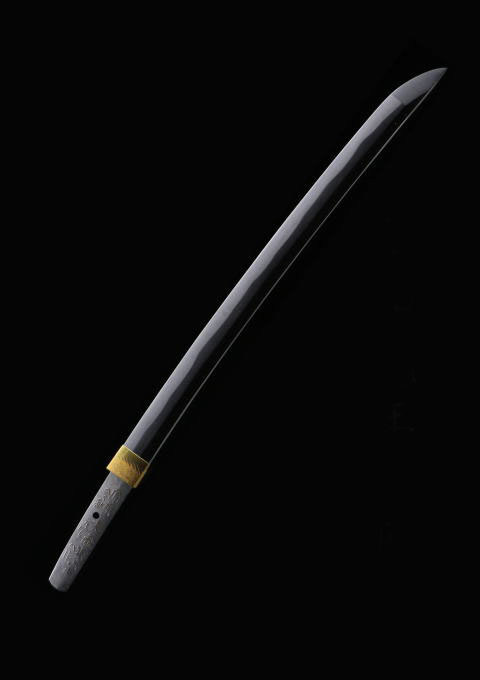
A medium-sized blade by Ueda Sukesada. Photo: the smith himself 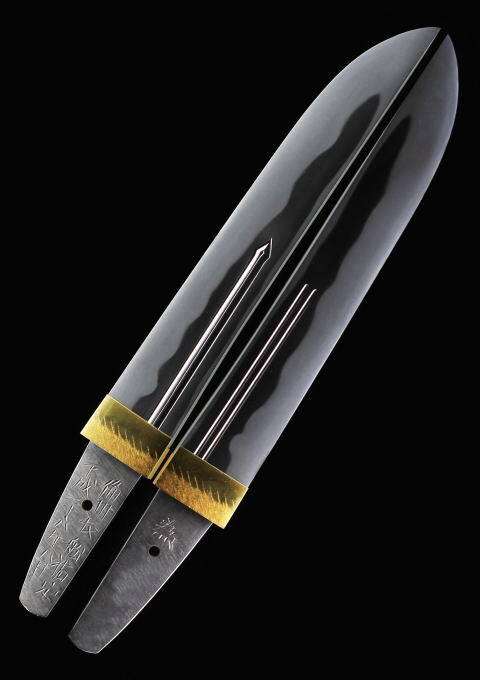
Two blades by Ueda Sukesada with hi and an engraved signature. Photo: the smith himself