On this page
Quick profile
- Name
- Yasutsuna; also Hōki Yasutsuna or Ōhara Yasutsuna; he signed 安綱 (Yasutsuna) AT
- Kanji and reading
- 安綱 (Yasutsuna); 伯耆安綱 (Hōki Yasutsuna); 大原安綱 (Ōhara Yasutsuna) AT
- Period
- Heian period: the 10th to 12th centuries, according to the Tokyo National Museum; the old treatises placed him at the beginning of the 9th century AT
- Province
- Hōki (伯耆, Hōki), the west of present-day Tottori; he is assumed to have worked in Ōhara, though this is not certain AT
- School
- Ko-Hōki (古伯耆, Ko-Hōki), of which he is held to be the founder AT
- Lineage
- Father of 大原真守 (Ōhara Sanemori), according to tradition; 安家 (Yasuie), his son or pupil AT
- What is documented
- Tachi signed 安綱 (Yasutsuna), almost always unshortened; the Dōjigiri is a National Treasure HD
- The tradition
- The dates of the old treatises (749–811), the legend of Shuten-dōji and that of the white ox laden with iron AT
In short
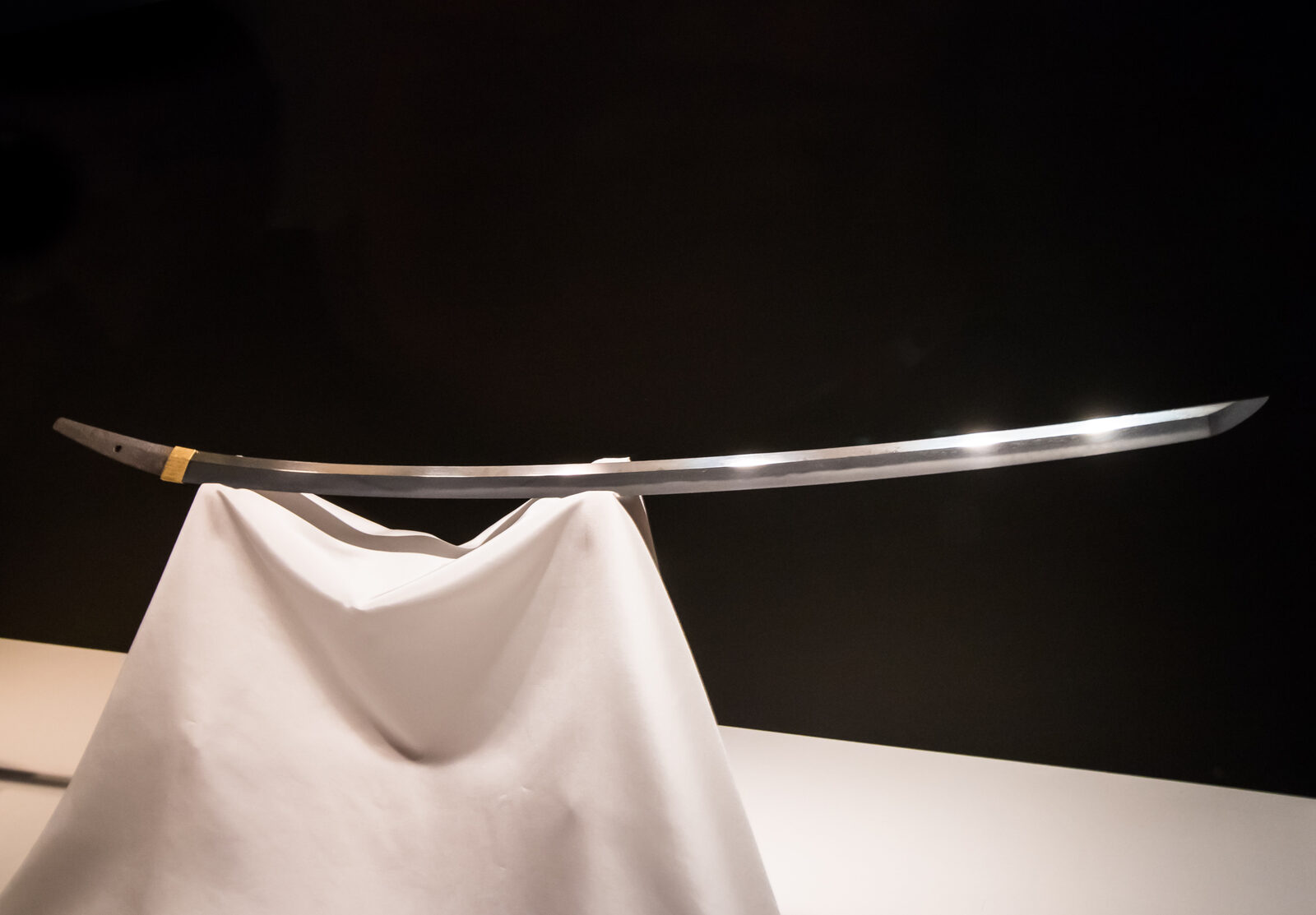
Yasutsuna is one of the first swordsmiths of the Japanese sword and the representative of the Heian period, according to the Japanese Wikipedia. He is held to be the founder of the Ko-Hōki swordsmiths, and most of his signatures are on unshortened tangs, because his blades were kept as treasures from early on.
The old treatises had him living at the beginning of the 9th century, when straight blades were still being made; today those dates are considered an invention. The Tokyo National Museum dates his Dōjigiri to the Heian period, between the 10th and 12th centuries.
His tachi are slender, with a high koshizori, a large itame of dark steel and a ko-midare of nie with kinsuji and sunagashi: a “rustic” beauty, says the NBTHK.
Sections
-
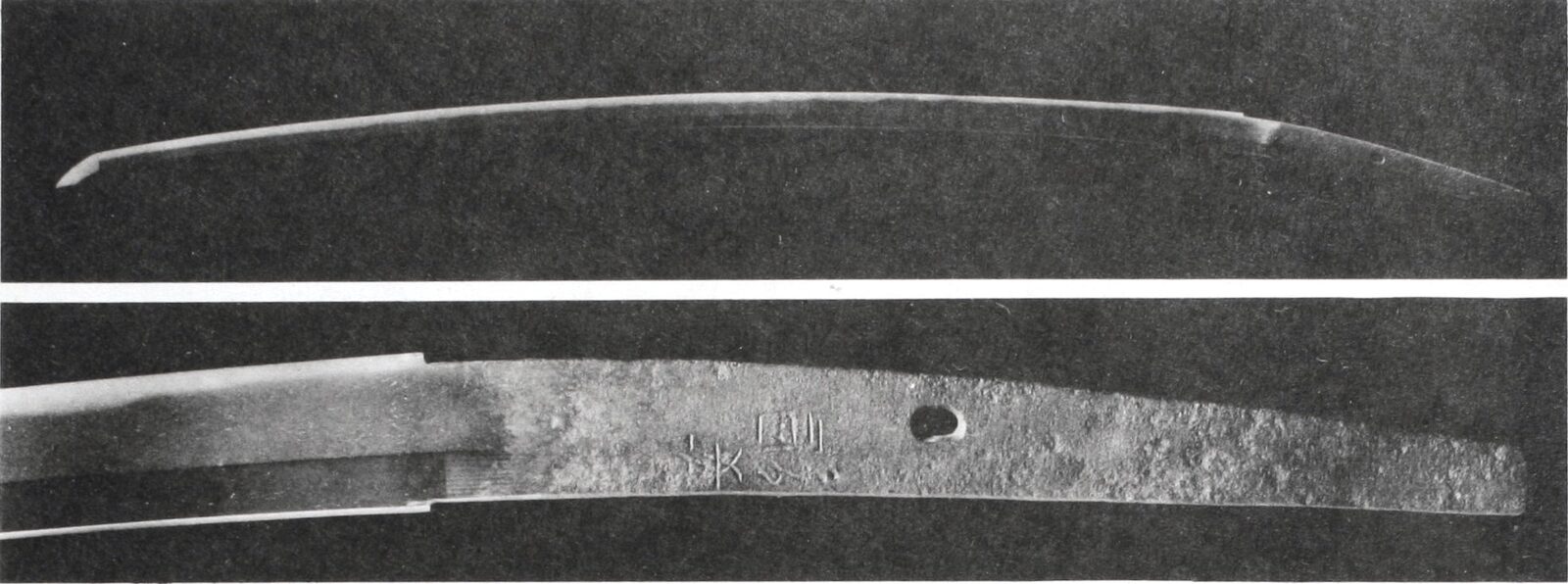 Hōki, Heian period
Life and times
The dates of the old treatises as against today’s, Ko-Hōki and the legends.
-
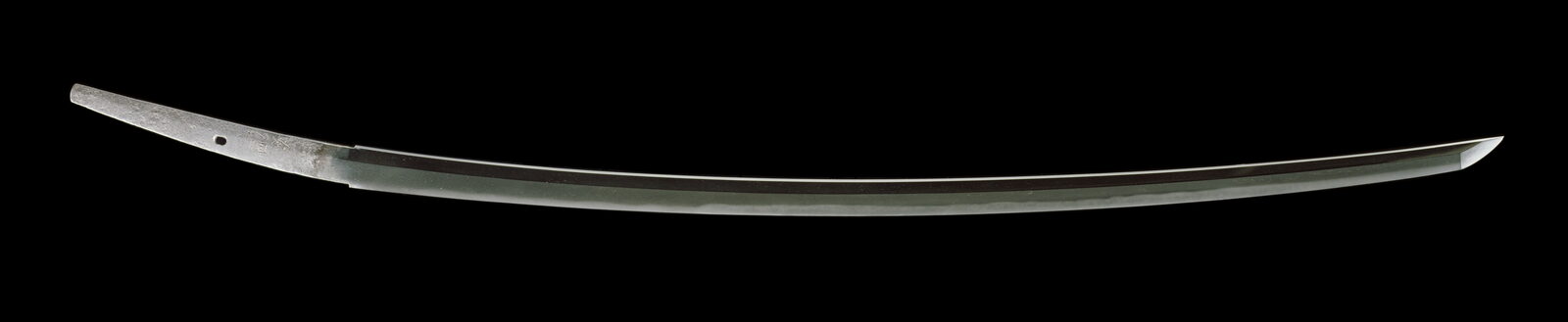 Tachi · large itame · ko-midare of nie
Work and style
Sugata, jihada, hamon, bōshi, nakago and mei: the keys to recognising him.
-
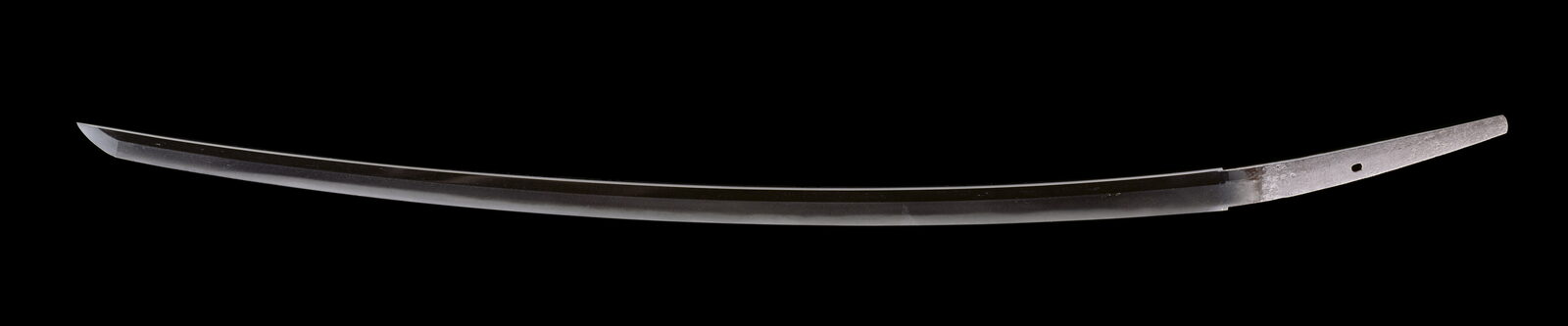
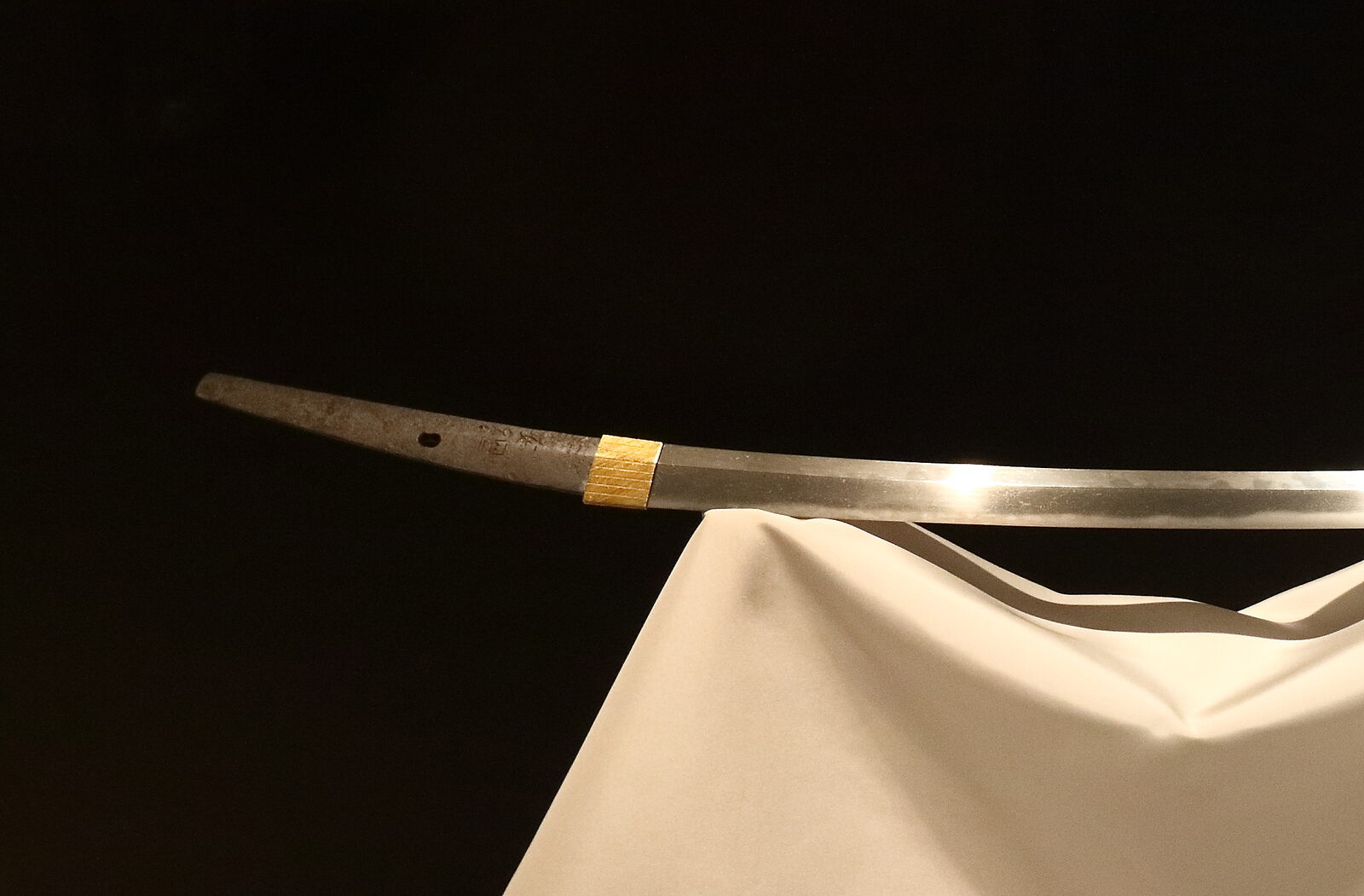 The Dōjigiri and his designated tachi
Famous works
The Dōjigiri Yasutsuna, his Important Cultural Properties and his place in the old lists.
-
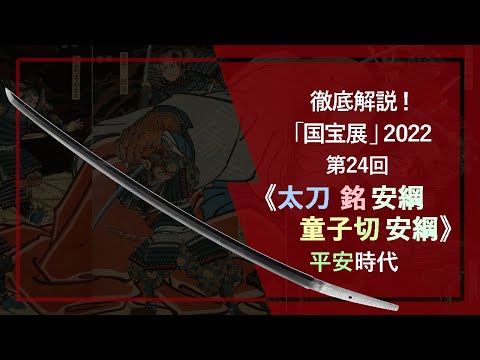 The Dōjigiri at the Tokyo National Museum
Videos
Four videos of the Dōjigiri and of an exhibition on Ko-Hōki.
-
 Bibliography and credits
Sources
The sources consulted and the image credits.