
On this page
Quick profile
- Name
- Awataguchi Hisakuni AT
- Kanji and reading
- 粟田口久国 (Awataguchi Hisakuni) AT
- Period
- Early Kamakura, around 1200 AT
- Province
- Yamashiro: Awataguchi, at the entrance to Kyoto AT
- School
- Awataguchi (粟田口派, Awataguchi-ha) AT
- Family and master
- Second son of Kuniie, the de facto founder of the school, according to tradition; brother of Kunitomo and Kunitsuna, among others AT
- Title
- 大隅権守 (Ōsumi Gon no Kami), the first provincial title received by a smith AT
- Documented fact and tradition
- Documented: his signed blades and their official designations. Tradition: the kinship of the brothers, which no document of the time proves, and the dates of birth and death AT
In short
According to tradition, Hisakuni was the second son of Kuniie and the second of the so-called six Awataguchi brothers. The retired emperor Go-Toba had him among his rotating smiths (御番鍛冶, goban-kaji), made him his forging instructor and gave him the title of Ōsumi Gon no Kami. For Markus Sesko, almost all experts consider him the best of the Awataguchi: slender and elegant tachi, a ko-itame of unequalled density and a ko-nie suguha full of fine activity. His major work is a tachi of 80.4 cm, a National Treasure, in the keeping of the Agency for Cultural Affairs.
Sections
-
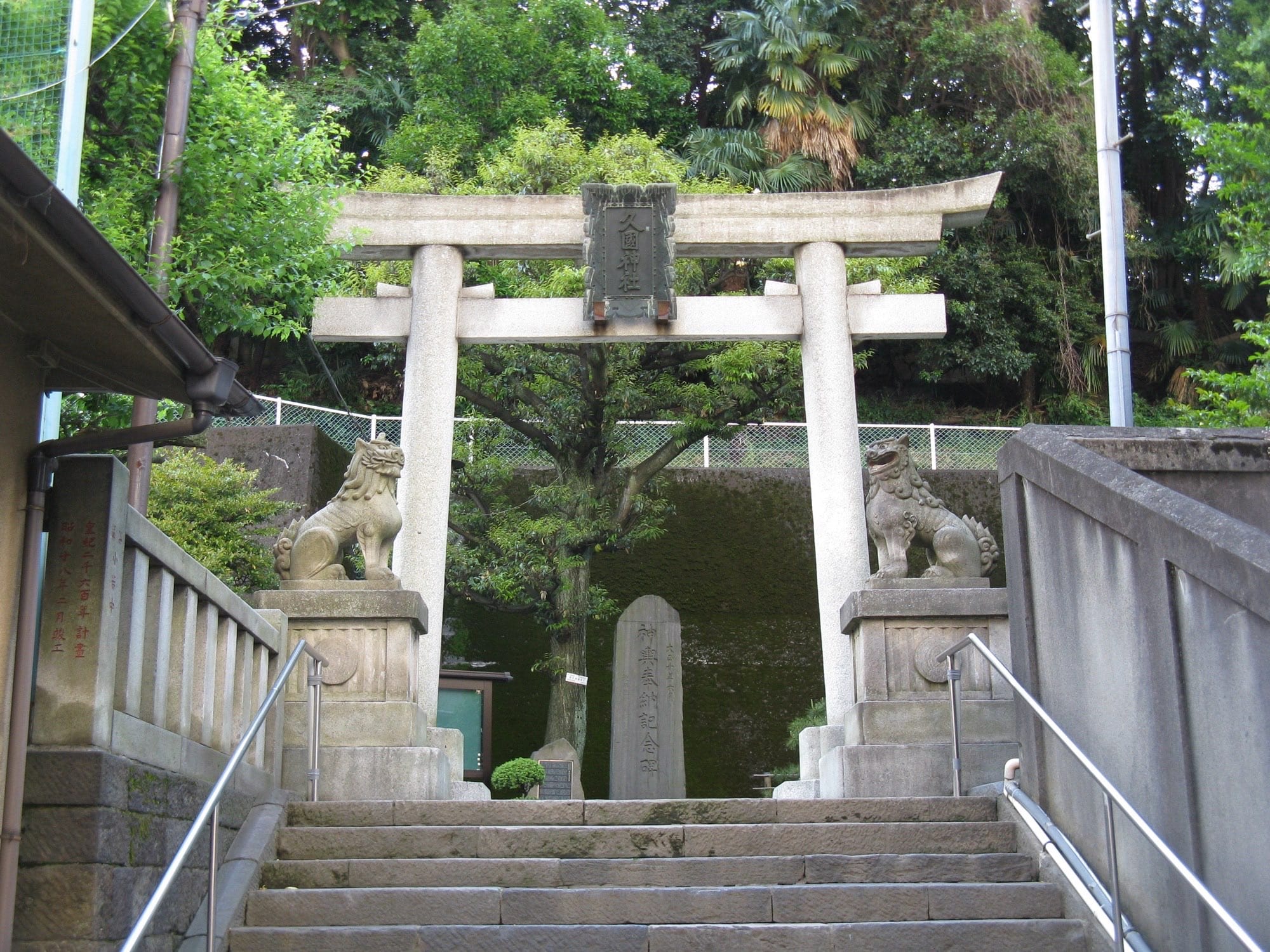 Awataguchi · Go-Toba · Ōsumi Gon no Kami
Life and times
The Awataguchi school, the retired emperor Go-Toba, his title and the dates given by a book of 1792.
-
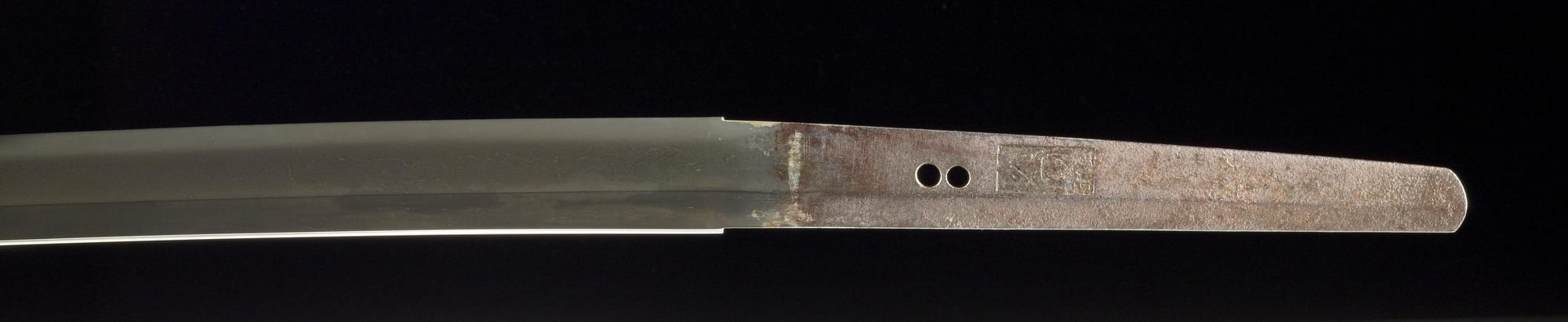 Dense ko-itame · ko-nie suguha
Work and style
The kantei keys: sugata, jihada, hamon, bōshi, nakago and signature, with the katana of the Tokyo National Museum in five photos.
-
 Kokuhō · Important Cultural Properties
Famous works
The tachi that is a National Treasure, the designated blades and those in museums, those that bear his name without being his and his place in the treatises.
-
 Bibliography and credits
Sources
The sources consulted on 4 October 2026, with their link, and the credit of each image.