
On this page
Quick profile
- Name
- Awataguchi Kuniyoshi; his given name has not been handed down AT
- Kanji and reading
- 粟田口国吉 (Awataguchi Kuniyoshi) AT
- Period
- Mid-Kamakura (13th century) AT
- Province
- Yamashiro: Awataguchi, in Kyoto AT
- School
- Awataguchi (粟田口派, Awataguchi-ha) AT
- Family and master
- Eldest son of Awataguchi Norikuni, according to tradition; Yoshimitsu (Tōshirō) is held to be his son or his pupil AT
- Title
- 左兵衛尉 (Sahyōe no Jō); from his signature, of the Fujiwara family HD
- Documented fact and tradition
- Documented: his signed blades, his title and their official designations. Tradition: his parentage, his time in Kamakura under the name Kunitaka and the date of his death AT
In short
He is held to be the eldest son of Norikuni and the continuer of the main Awataguchi line; his dated works run from 1262 to 1284, according to Japanese Wikipedia. Some consider him the best tantō maker of all time, a title usually given to Yoshimitsu; others, the best at the serene suguha; and for Honma Kunzan he is the second of his school in skill, after only Hisakuni, according to Markus Sesko. The Nakigitsune, in the Tokyo National Museum, and a signed tachi of the Kyoto National Museum are Important Cultural Properties.
Sections
-
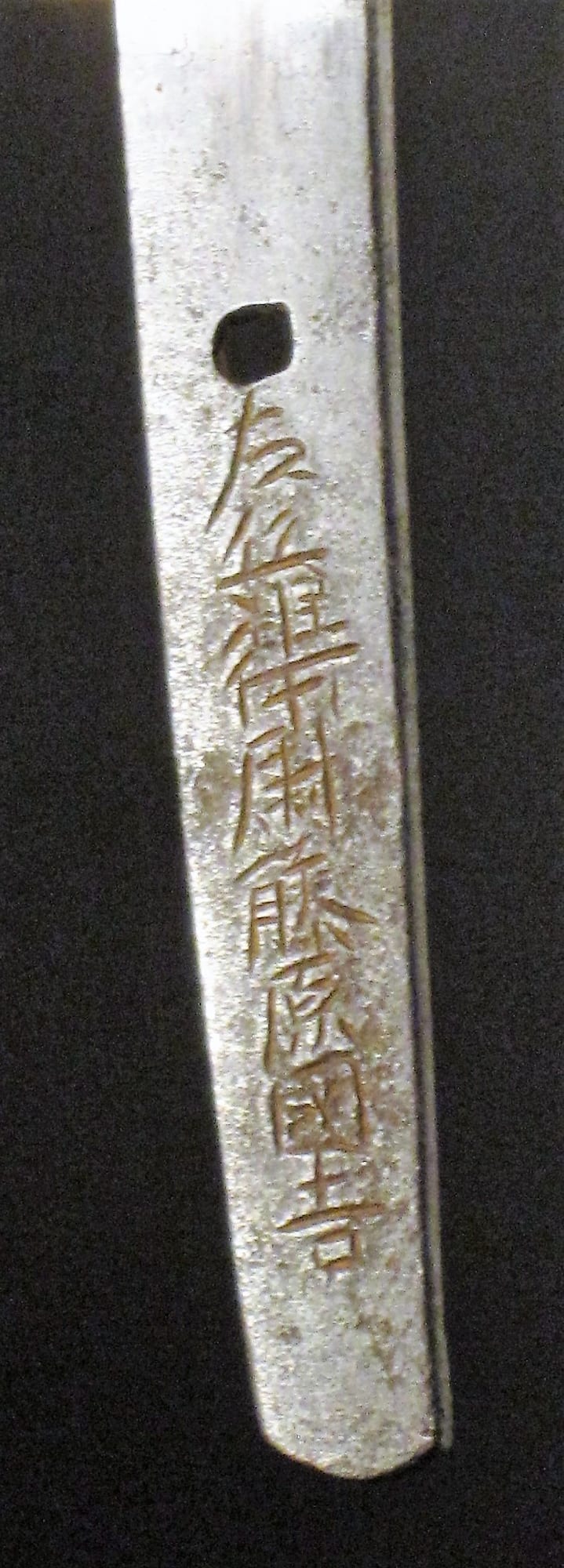 Norikuni · Kamakura · Yoshimitsu
Life and times
His family according to tradition, his time in Kamakura, the dates of his works and his place between Hisakuni and Yoshimitsu.
-
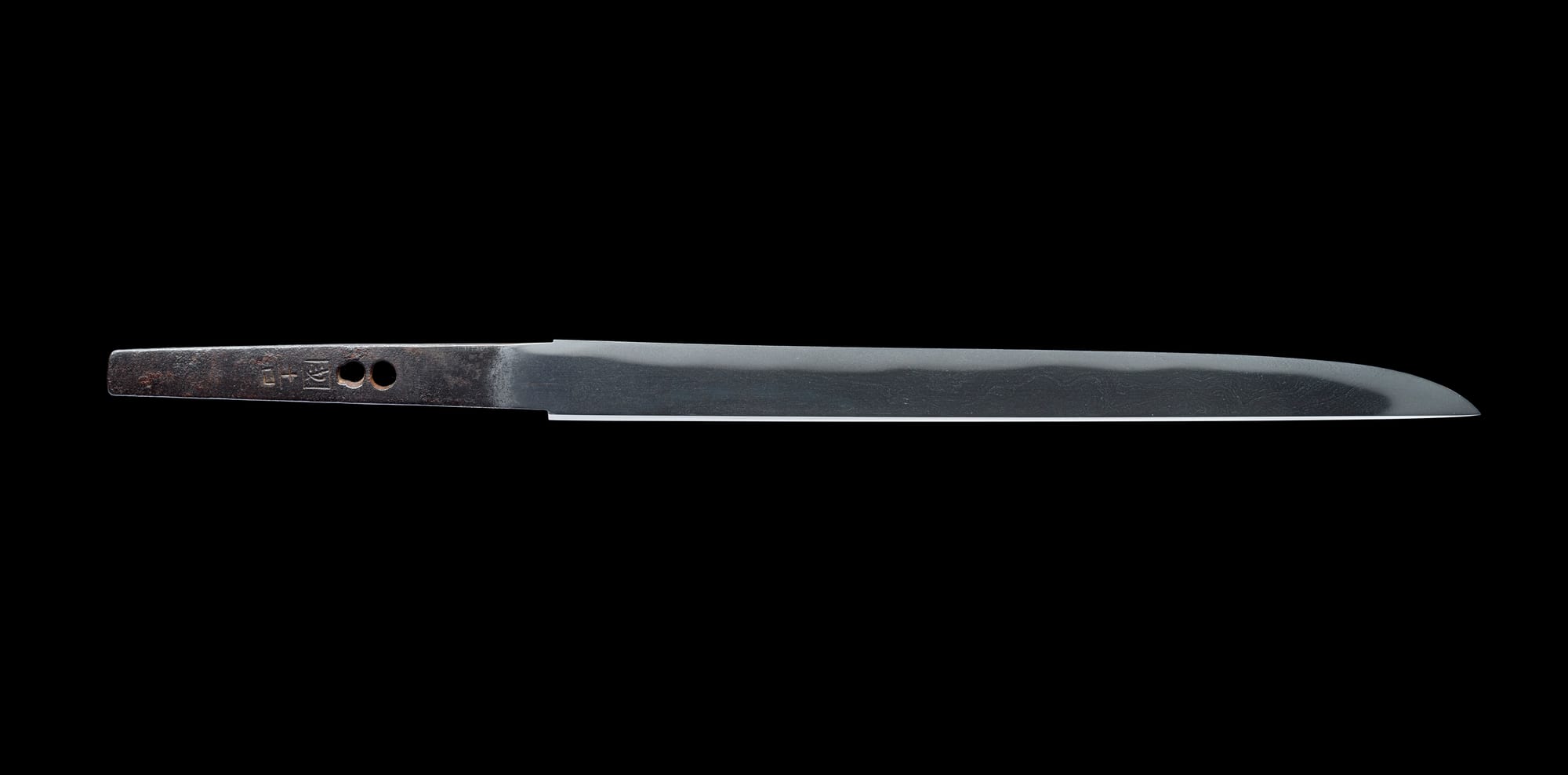 Nijūba · suguha · tantō and ken
Work and style
The kantei keys to his tachi, tantō and ken: the nijūba that reaches the bōshi, the hi set close to the mune and the signature.
-
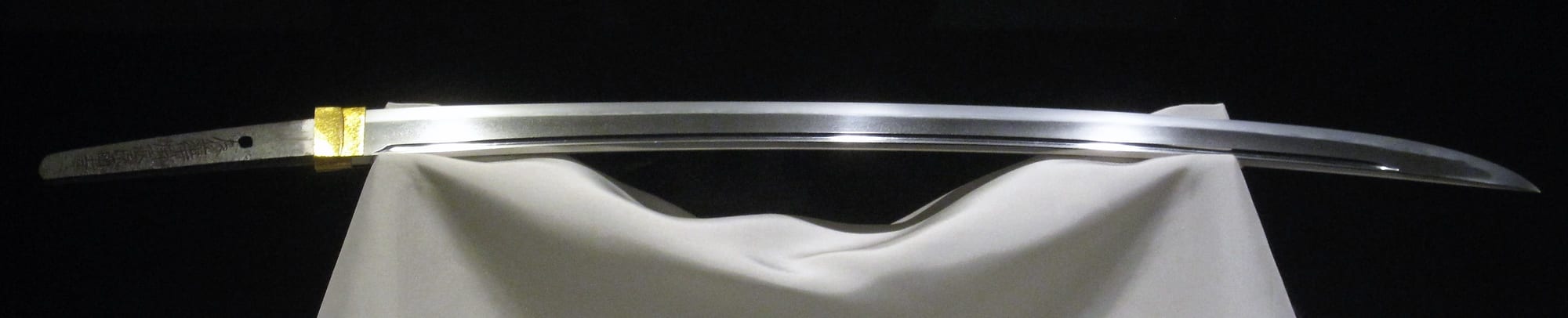 Nakigitsune · Sayo Saan · Important Cultural Properties
Famous works
The Nakigitsune of the Tokyo National Museum, the tachi and the tantō of the Kyoto National Museum and his other designated blades, with the museums’ photos.
-
 Bibliography and credits
Sources
The sources consulted on 4 October 2026, with their link, and the credit of each image.