On this page
Quick profile
- Name
- Yukihira, known by his province as Bungo Yukihira HD
- Kanji and reading
- 豊後行平 (Bungo Yukihira); signature 豊後国行平作 (Bungo Koku Yukihira saku) HD
- Nickname
- “Kishin Taiu”, according to the English translation of the NBTHK’s Sword Journal; it is not his signature, and its spelling in kanji has not been checked AT
- Period
- Late Heian and early Kamakura; one tachi is dated 1205 HD
- Province
- Bungo (豊後, Bungo), today Ōita prefecture, on Kyūshū HD
- School
- Early Kyūshū; Markus Sesko counts him among the Ko-Kyūshū and Ko-Naminohira smiths of the early Kamakura AT
- Master
- No document; he is said to have been the master or the pupil of 定秀 (Sadahide, Jōshū), a monk and smith of Mount Hiko, in Buzen AT
- Documented fact and tradition
- Documented: his signed blades, the date of 1205 and his designations. Tradition: that he was a monk or an ascetic, and his link with Sadahide. AT
In short
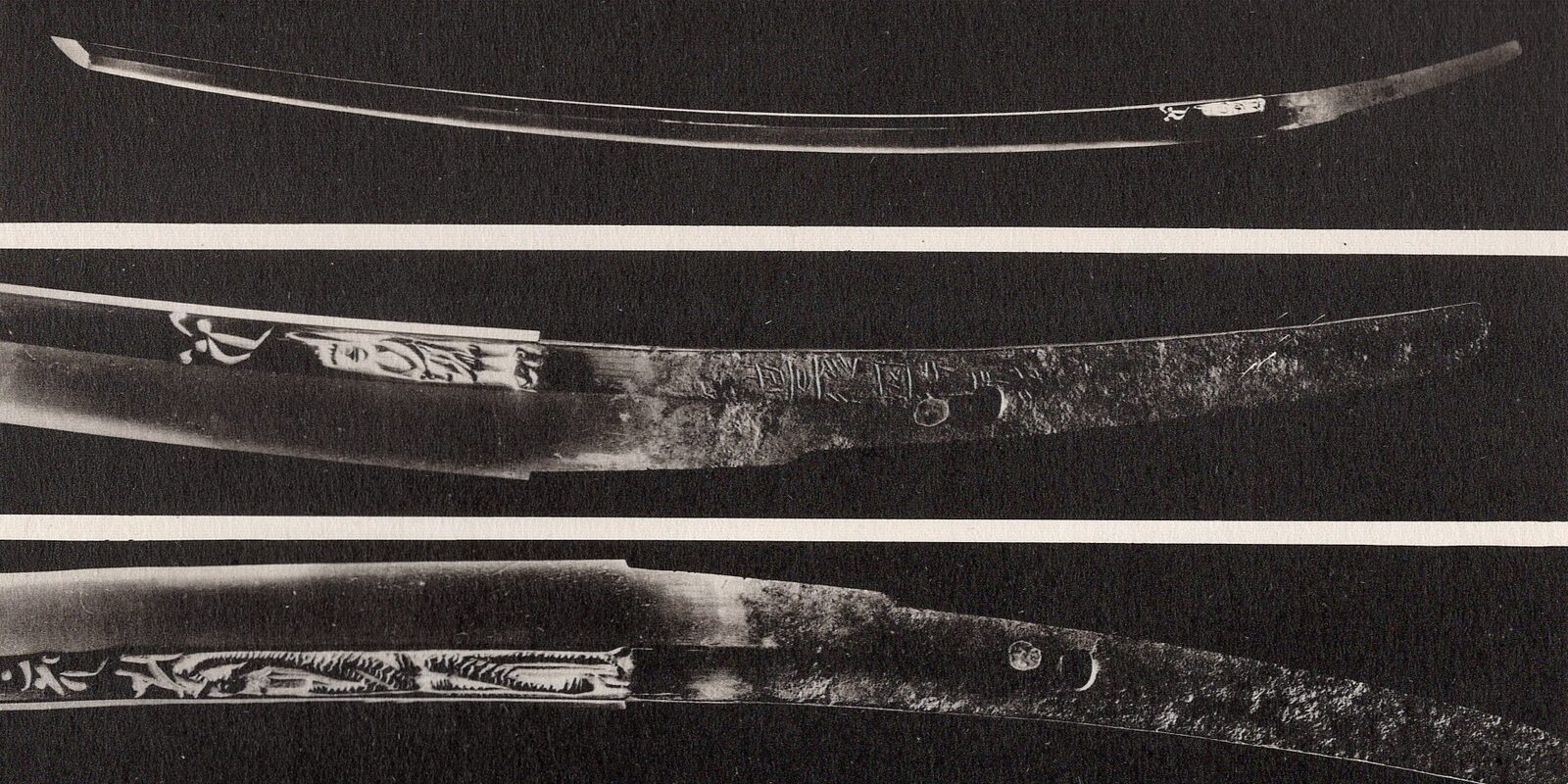
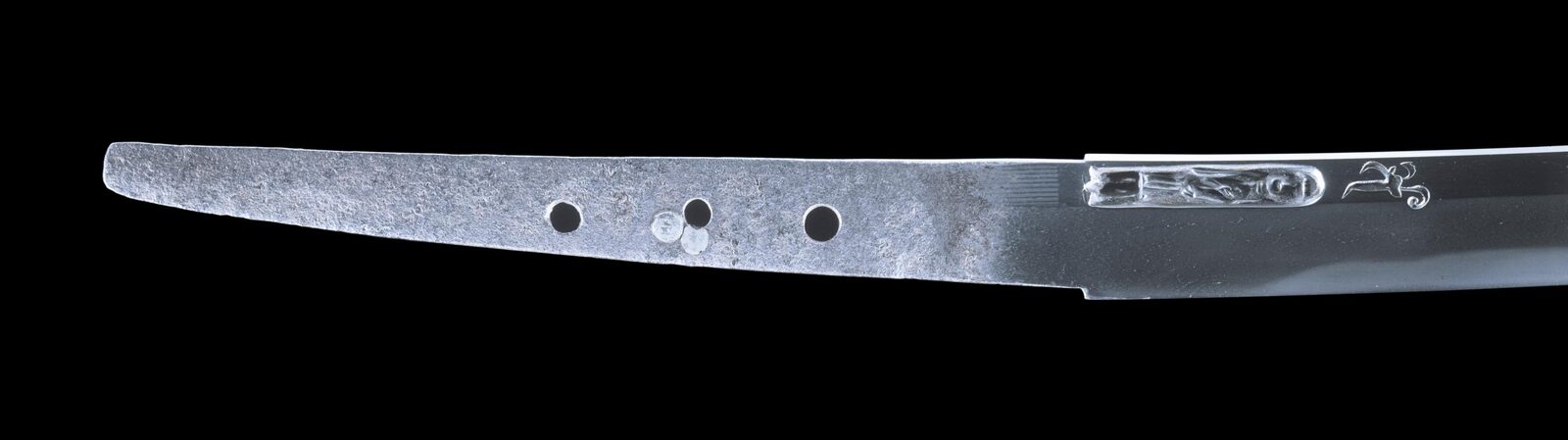
What we know. His blades are signed 豊後国行平作 (Bungo Koku Yukihira saku), almost always with engravings at the base: kurikara, bonji, Jizō or cherry blossoms. One tachi bears the date 1205; another, the Kokin Denju no Tachi, has been a National Treasure since 1951, and the State database records four more as Important Cultural Properties.
How we know it. From the blades themselves, described by the NBTHK, the Tokyo National Museum and the records of the Agency for Cultural Affairs.
What we do not know. Nothing of his life is documented: not his master, not whether he was a monk, not when he was born or died.
Sections
-
 Bungo · 1205 · Sadahide
Life and times
What fixes his period, what tradition tells and what has no source.
-
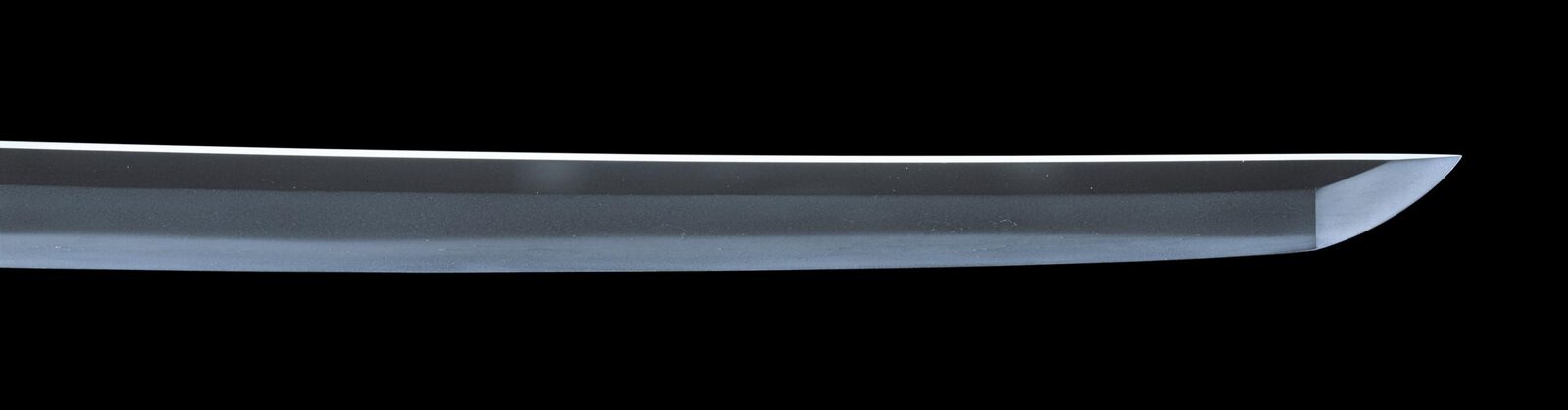 Early Kyūshū · suguha · horimono
Work and style
The kantei keys of his tachi and his engravings, and what they are confused with.
-
 National Treasure · Important Cultural Properties · meibutsu
Famous works
The Kokin Denju no Tachi, his blades designated by the State and the Jizō Yukihira of the Kyōhō meibutsuchō.
-
 Bibliography and credits
Sources
The sources consulted on 4 October 2026, with their links, and the credit for each image.