On this page
Quick profile
- Name
- Dewa Daijō Kunimichi; signature 出羽大掾藤原国路 (Dewa Daijō Fujiwara Kunimichi), and on his earliest blades, 平安城住国路 (Heianjō jū Kunimichi) AT
- Kanji and reading
- 出羽大掾国路 (Dewa Daijō Kunimichi): 出羽大掾 (Dewa Daijō) is the title, and 国路 (Kunimichi) the name HD
- Period
- From the end of the Azuchi-Momoyama period to the early Edo period; shintō (新刀, shintō) AT
- Province
- Yamashiro (山城, Yamashiro), in Kyoto, which his early signatures call 平安城 (Heianjō) AT
- School
- Horikawa (堀川, Horikawa), that of Horikawa Kunihiro AT
- Master
- Horikawa Kunihiro (堀川国広, Horikawa Kunihiro), according to the Tokyo National Museum and Japanese Wikipedia; before that, according to Markus Sesko, the Mishina smith Iga no Kami Kinmichi AT
- Title
- Dewa Daijō (出羽大掾, Dewa Daijō), one of the honorary titles that were engraved in the signature (受領銘, zuryō-mei) HD
- Generations
- One or two: the dictionary of names of 芳賀矢一 (Haga Yaichi) knows a second Dewa Daijō Kunimichi AT
- Rank
- 業物 (wazamono), the 4th of the 4 grades of the 懐宝剣尺 (Kaihō Kenjaku); east maegashira in Tomita Kiyama’s ranking (1933, published in 1935) AT
- What is documented
- The three tachi of 1654 at the Yasaka shrine and a katana in a private collection in Aichi, Important Cultural Properties; a katana at the Tokyo National Museum and two wakizashi at the Miyazaki prefectural museum HD
- The tradition
- That he was born in 1576 and trained first under Iga no Kami Kinmichi, according to Markus Sesko. His death, the year of his title and whether there were one or two Kunimichi are not recorded in any of the sources consulted. PC
In short
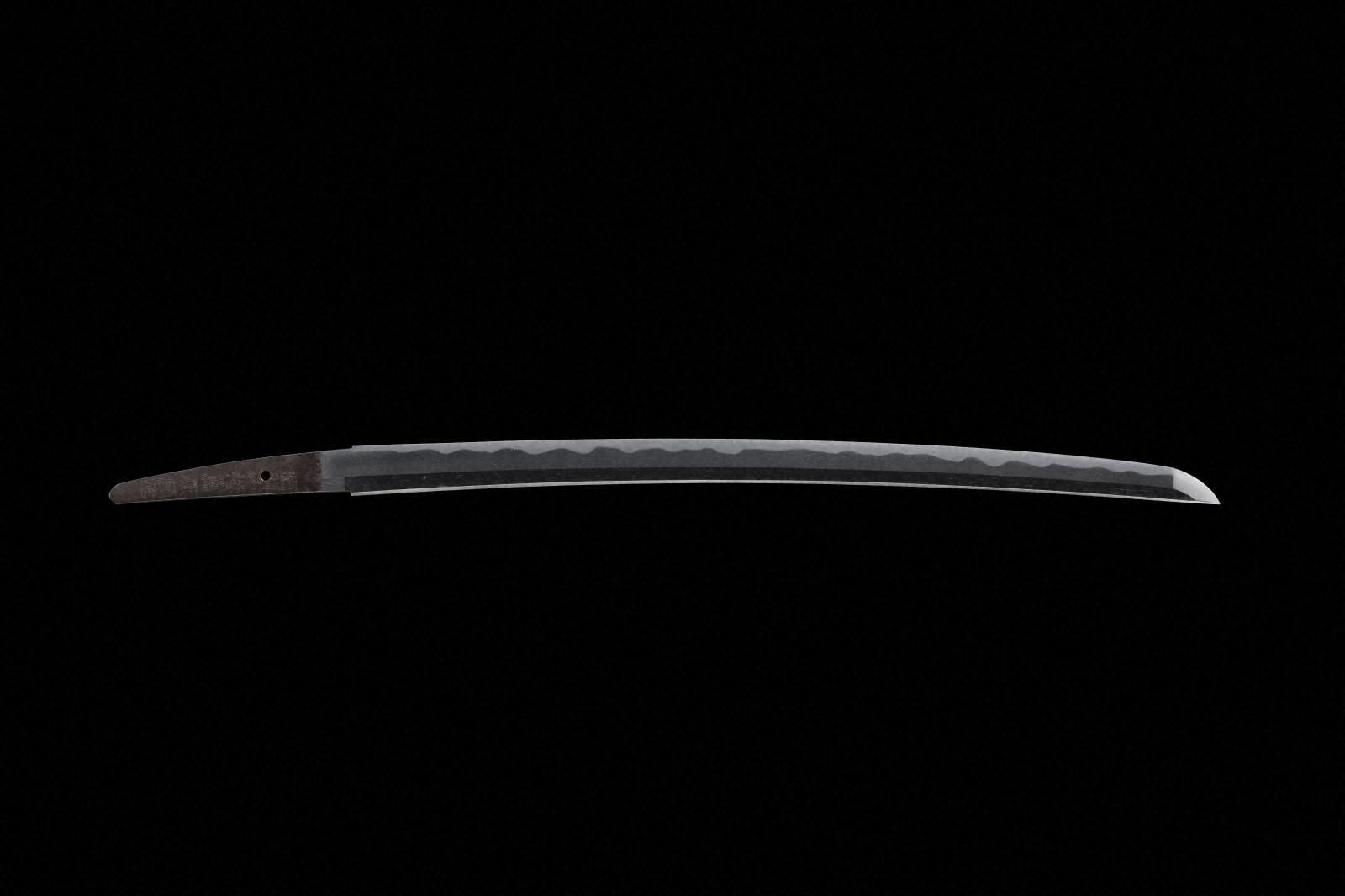
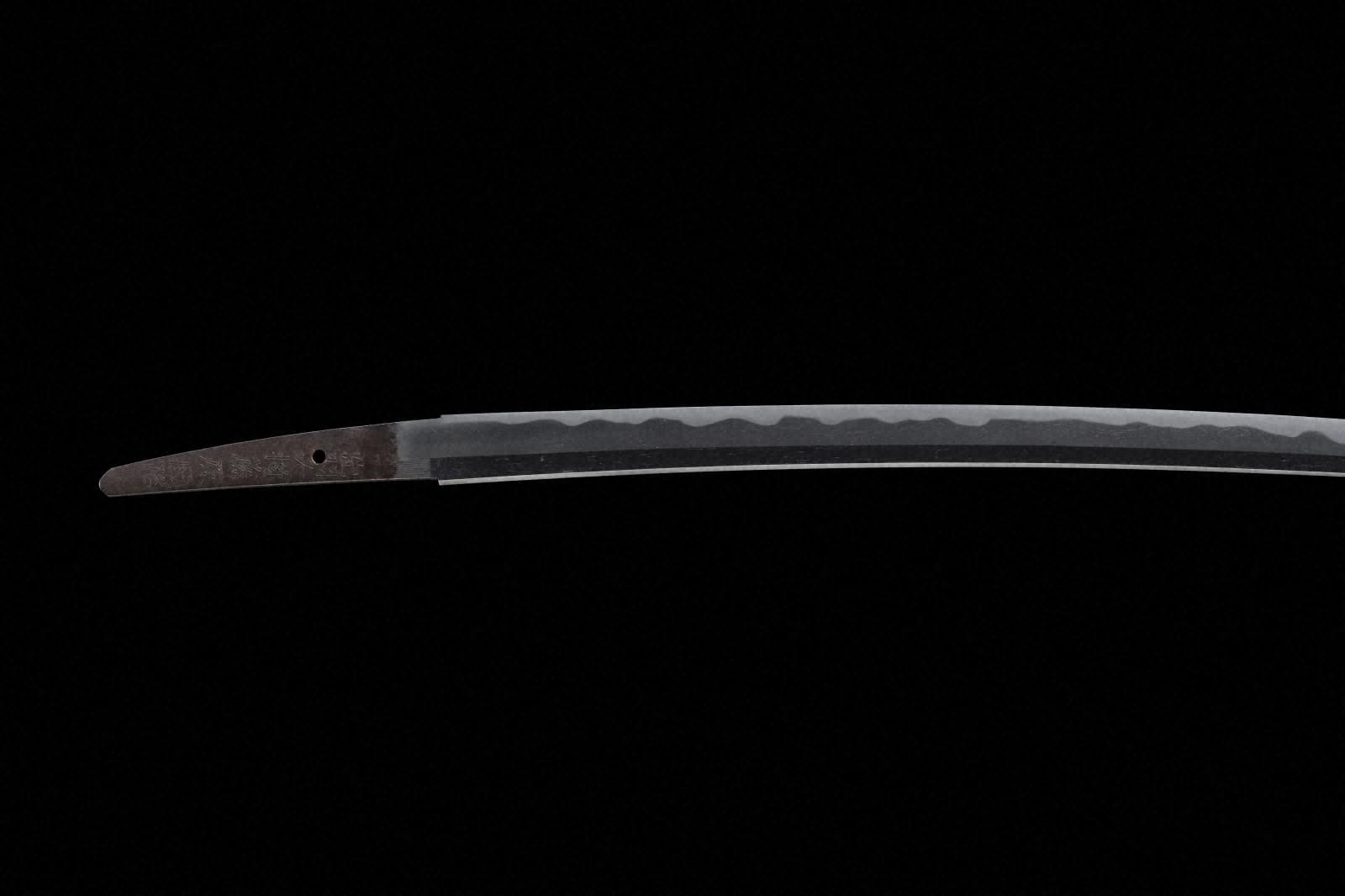
The Tokyo National Museum presents him as a leading pupil of Horikawa Kunihiro and says that he excelled in a bold Sōshū-den (相州伝, Sōshū-den). The museum’s katana by him is a sturdy blade with a shallow curve, fine ko-itame and a gunome-midare in thick nie.
The Yasaka shrine in Kyoto keeps three tachi of his dated 1654 with their mountings, designated an Important Cultural Property in 1950, and a katana of his in a private collection in Aichi has held that status since 1959. The Yamada cutting list places him among the 業物 (wazamono), the fourth of its four grades.
Sections
-
 Kyoto · Horikawa · one or two generations
Life and times
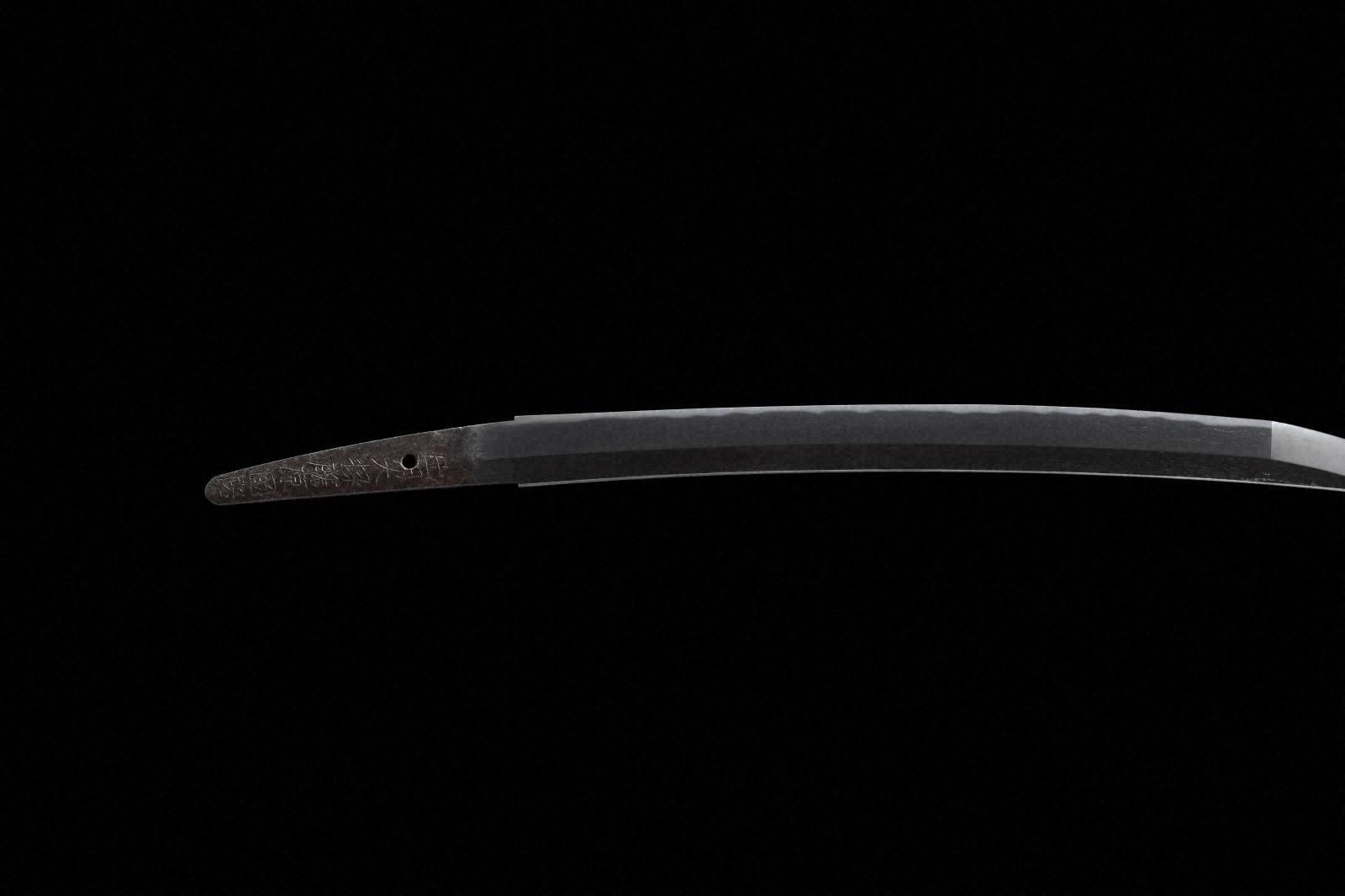
Kunihiro, his dates, the title of Dewa Daijō and a second Kunimichi.
-
 Sōshū-den · kantei keys
Work and style
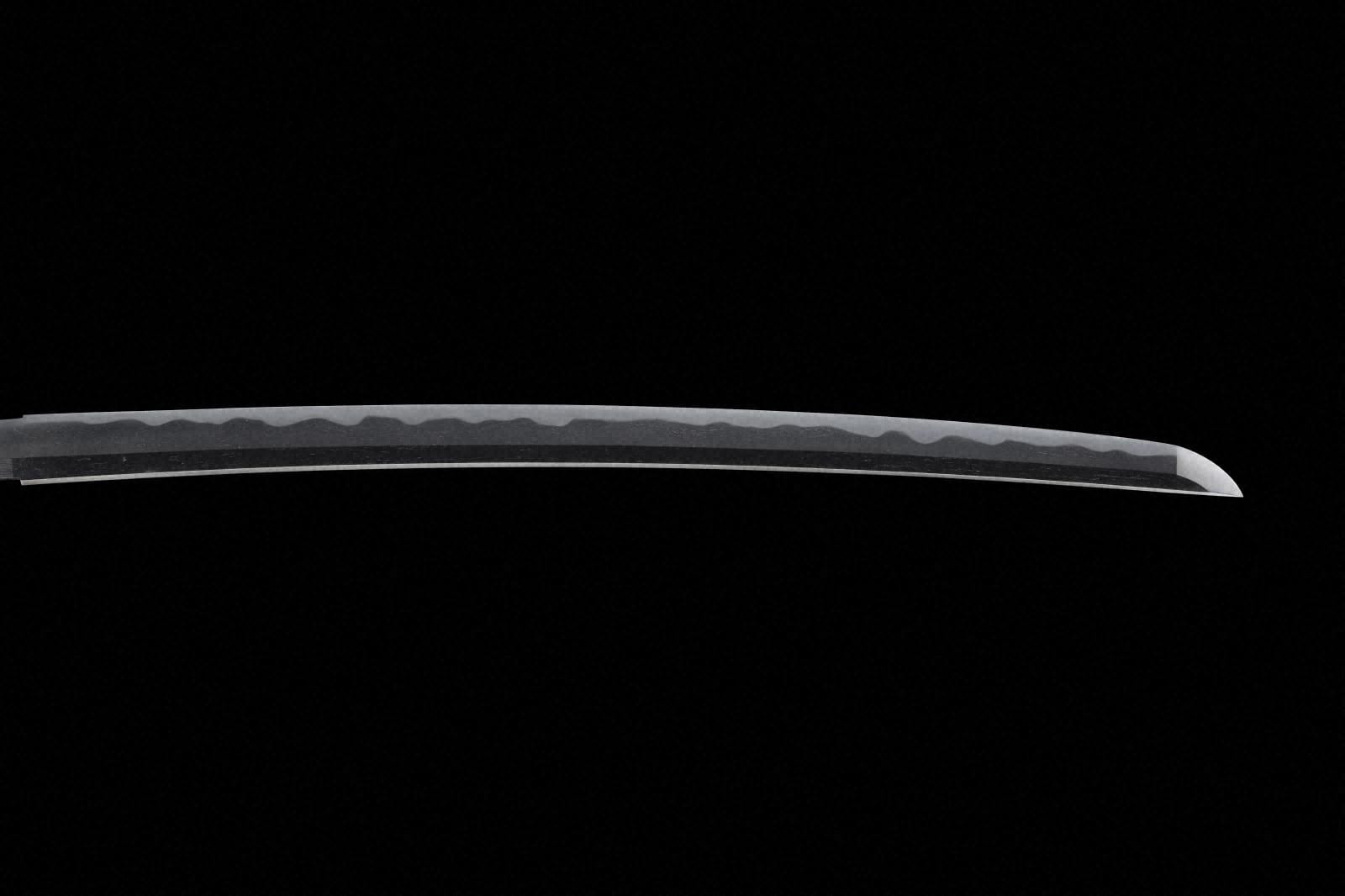
What the Tokyo National Museum says of his katana, his signature and two wakizashi in photos.
-
 Important Cultural Properties · museums
Famous works
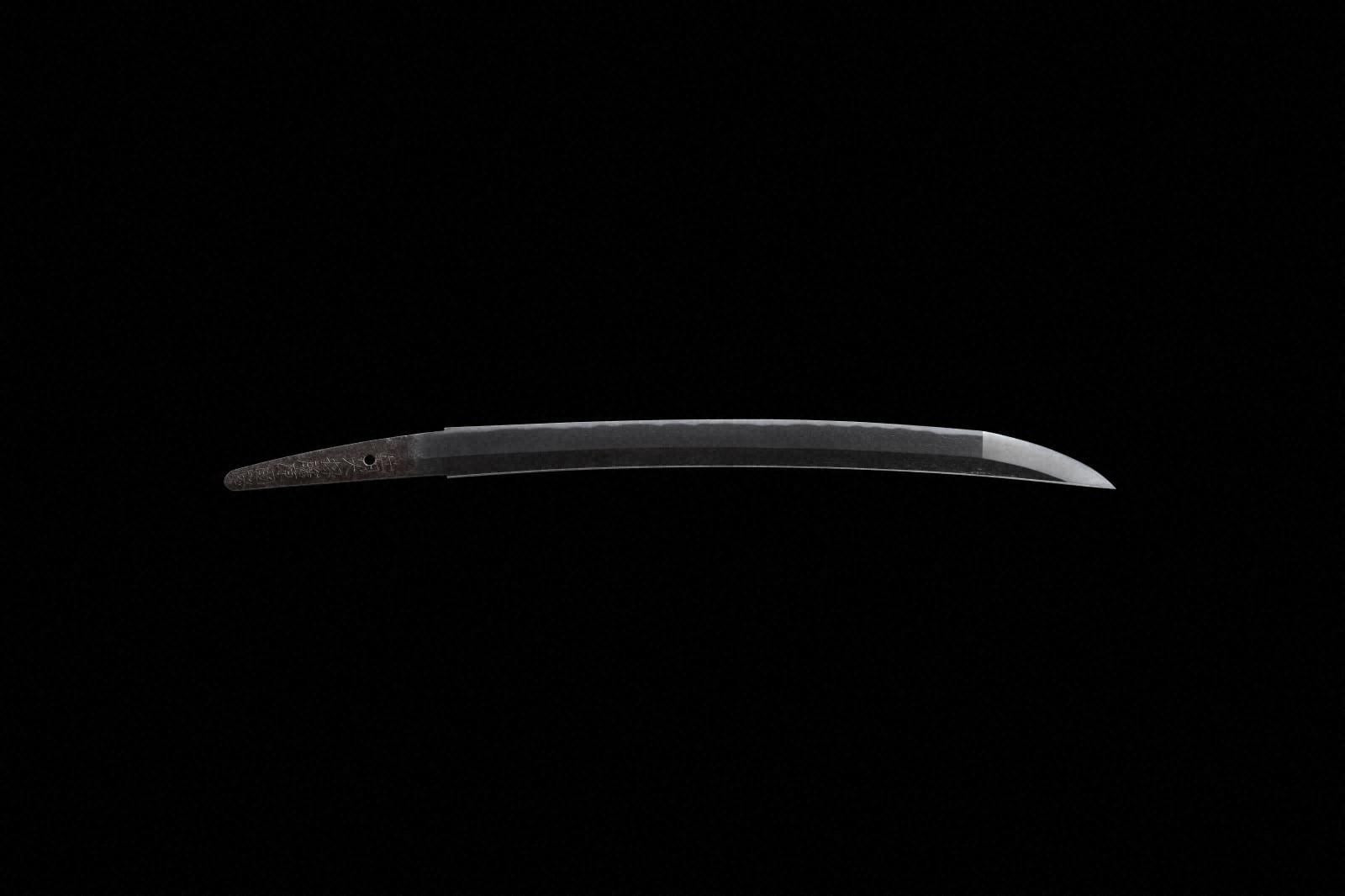
The three tachi of the Yasaka shrine, a katana in Aichi and his blades in museums.
-
 Bibliography and credits
Sources
The sources consulted and the image credits.