On this page
Documented works
| Work | Designation | Where it is |
|---|---|---|
| Katana 肥前国忠吉 (Hizen no kuni Tadayoshi), dated 1600 (Keichō 5) | No designation | Tokyo National Museum (F-19868) |
| Katana 武蔵大掾藤原忠広 (Musashi Daijō Fujiwara Tadahiro), of 1629 (Kan'ei 6), with the inscription that names Umetada Myōju | Important Art Object | Tokyo National Museum (F-19997) |
| Katana 肥前國住藤原忠廣 (Hizen no kuni jū Fujiwara Tadahiro), of 1630 (Kan'ei 7), of 75.6 cm | Important Cultural Property of Saga prefecture | Nabeshima Hōkōkai Foundation (鍋島報效会, Nabeshima Hōkōkai), Saga |
| Katana 肥前国忠吉 同国刳物宗長 (Hizen no kuni Tadayoshi dōkoku kurimono Munenaga), of 68.2 cm, with dragon and Kurikara | No designation | Tokyo National Museum (F-20193) |
| Katana 南無観世音菩薩 肥前国忠吉 (Namu Kanzeon Bosatsu Hizen no kuni Tadayoshi) | No designation | Tokyo National Museum (F-335) |
| Katana 肥前国住人忠吉作 (Hizen no kuni jūnin Tadayoshi saku), in its mounting | No designation | Tokyo National Museum (F-17266) |
| Katana 肥前国住人忠吉作 (Hizen no kuni jūnin Tadayoshi saku), of 73.6 cm | No designation | Kyūshū National Museum (F17) |
| Wakizashi 肥前国忠吉 刳物藤原宗長 (Hizen no kuni Tadayoshi kurimono Fujiwara Munenaga), of 39.2 cm | Jūyō tōken of the NBTHK | Private collection; exhibited by the NBTHK in 2020 |
| Tantō 肥前国忠吉 刳物宗長 (Hizen no kuni Tadayoshi kurimono Munenaga) | No designation stated | Shown at the exhibition on the Umetada of 2020 |
| Katana 肥前国住武蔵大掾藤原忠広 (Hizen no kuni jū Musashi Daijō Fujiwara Tadahiro), of 1629, of 76.7 cm | New designation of the NBTHK, 2026 | Private collection |
Three pieces
The katana of 1630 of the Nabeshima Hōkōkai Foundation, of 75.6 cm and 1.2 cm of curvature, bears the signature without the title of Musashi Daijō, the one reserved for the Nabeshima. Bunka Isan Online gives it as a mature work, from when the swordsmith was 59. Tradition makes it the sword of the first lord of Saga, Nabeshima Katsushige.
The katana of 1629 in the Tokyo National Museum is an Important Art Object. Its inscription, which names Umetada Myōju at the age of 72, is the documentary proof of the relationship between the two.
The katana in the Tokyo National Museum with the dragon and the Kurikara is signed by two: Tadayoshi forged it and Munenaga, of the same province, engraved it. In 2020 the NBTHK exhibited a wakizashi and a tantō with the same collaboration.
In the lists
In the 『懐宝剣尺』 (Kaihō Kenjaku), the Yamada cutting list of 1797, the English Wikipedia places the first Tadayoshi and the third, Mutsu no Kami, among the twelve 最上大業物 (saijō ō-wazamono), the highest grade; Ōmi Daijō Tadahiro among the 大業物 (ō-wazamono), and the fourth generation among the 業物 (wazamono). The Japanese Wikipedia counts three swordsmiths of the lineage among those twelve, not two.
The same Japanese Wikipedia rates the first as 新刀最上作 (shintō saijō-saku), the second generation as 新刀上々作 (shintō jōjō-saku) and the third as 最上作 (saijō-saku). In Tomita Kiyama’s ranking, of 1933 and published in 1935, which the Japanese Sword Index reproduces, “Hizen kuni Tadayoshi” is the yokozuna of the western side.
Gallery

Katana signed 肥前国忠吉 (Hizen no kuni Tadayoshi), dated to the eighth month of 1600 (Keichō 5). Tokyo National Museum. Tokyo National Museum, via ColBase · ColBase terms of use · source 
Katana signed 肥前国忠吉 同国刳物宗長 (Hizen no kuni Tadayoshi dōkoku kurimono Munenaga), with the dragon engraved by Munenaga. Tokyo National Museum. Tokyo National Museum, via ColBase · ColBase terms of use · source 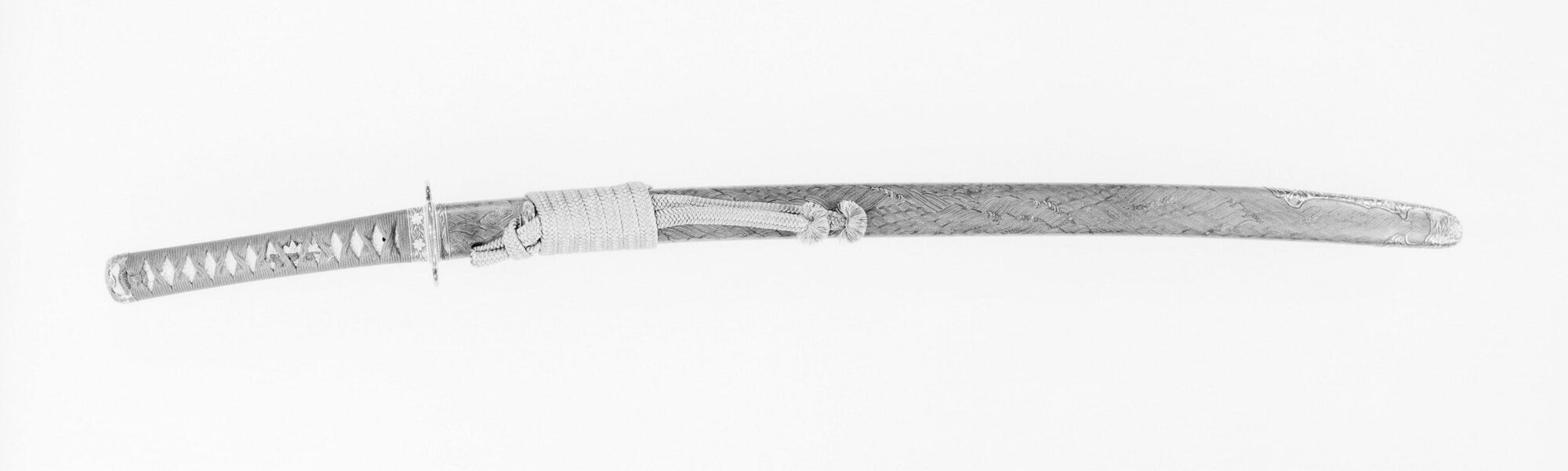
Katana signed 肥前国住人忠吉作 (Hizen no kuni jūnin Tadayoshi saku), in its mounting. Tokyo National Museum. Tokyo National Museum, via ColBase · ColBase terms of use · source 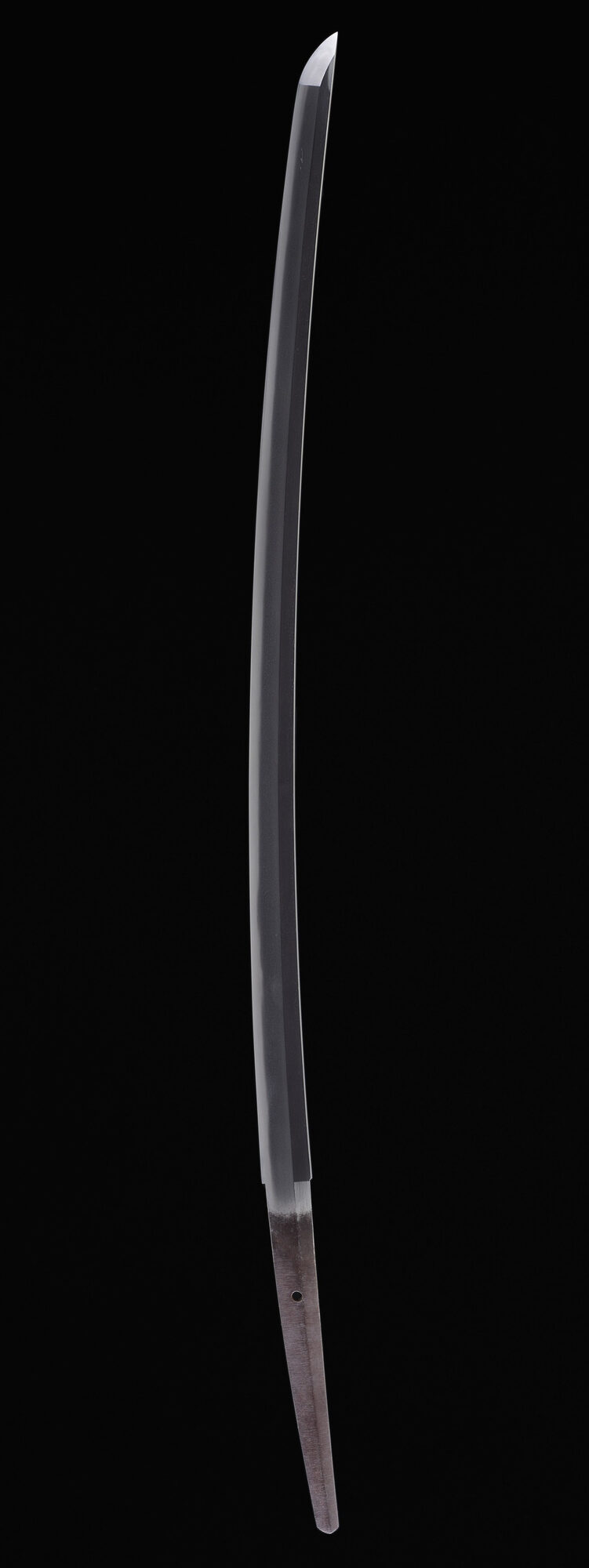
Katana signed 肥前国住人忠吉作 (Hizen no kuni jūnin Tadayoshi saku), of 73.6 cm. Kyūshū National Museum. Kyūshū National Museum, via ColBase · ColBase terms of use · source