
On this page
Quick profile
- Name
- Hizen Tadayoshi. The founder signed Tadayoshi and, from 1624, Tadahiro; the second and the seventh generations signed only Tadahiro AT
- Kanji and reading
- 肥前忠吉 (Hizen Tadayoshi); 忠広 (Tadahiro), also written 忠廣 (Tadahiro) AT
- Period
- From the end of the Momoyama period to the beginning of Meiji: the founder lived from 1572 to 1632, and the ninth from 1832 to 1880 AT
- Province
- Hizen (肥前, Hizen), in Saga (佐賀, Saga), the castle town of the Nabeshima AT
- School
- Its own: the Hizen-tō (肥前刀, Hizen-tō), a name given in modern times to the blades of the lineage AT
- Master
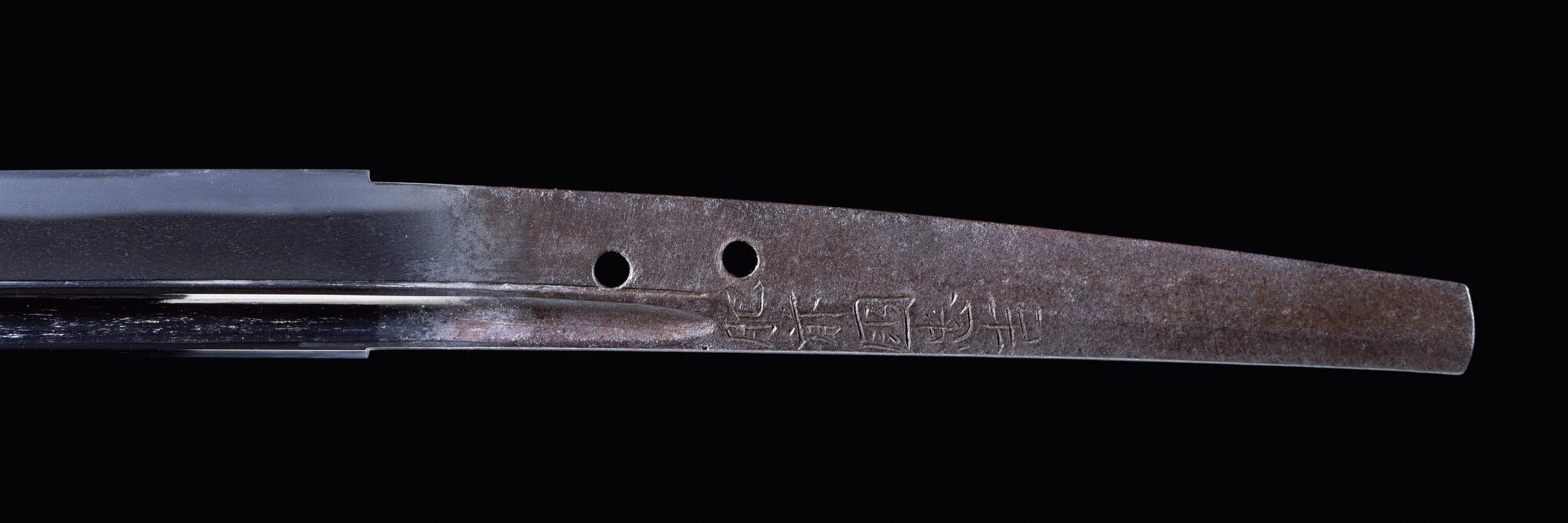
- The founder’s was Umetada Myōju (埋忠明寿), in Kyoto, from 1596, according to the Japanese Wikipedia. A katana of 1629 in the Tokyo National Museum bears the engraving “此忠広埋忠明寿弟子” (kono Tadahiro Umetada Myōju deshi: “this Tadahiro, pupil of Umetada Myōju”). AT
- Title
- Musashi Daijō (武蔵大掾), the founder, in 1624; Ōmi Daijō (近江大掾), the second generation in 1641 and the fourth in 1700; Mutsu Daijō (陸奥大掾) in 1660 and Mutsu no Kami (陸奥守) in 1661, the third; Ōmi no Kami (近江守), the fifth in 1750 and the sixth in 1790 AT
- Generations
- Nine, from 1572 to 1880, according to the Japanese Wikipedia, which cites Saga prefecture AT
- Cutting rank
- In the 『懐宝剣尺』 (Kaihō Kenjaku), of 1797, the first and the third are 最上大業物 (saijō ō-wazamono), the highest grade; the second generation, 大業物 (ō-wazamono), and the fourth, 業物 (wazamono) AT
- Documented fact and tradition
- Documented: dated blades in museums from 1600, the inscription of 1629 that names Umetada Myōju and a katana of 1630 that is a cultural property of Saga prefecture. Tradition: the sword of Sakamoto Ryōma that ended up in the hands of Okada Izō, and Tamiya Shigemasa’s commission in 1619. AT
In short
The founder was born in 1572 into a family of vassals of the Ryūzōji. According to the Japanese Wikipedia, he became a swordsmith when his father and grandfather died at the battle of Okitanawate, in 1584, and in 1596 the Nabeshima sent him to Kyoto to learn with Umetada Myōju. On his return he opened a forge in Saga and the Nabeshima gave him a hereditary stipend.
His house forged for the Nabeshima for nine generations. The second, Ōmi Daijō Tadahiro, was the longest-lived and the most prolific; the third, Mutsu no Kami Tadayoshi, the one with the scarcest work; the eighth directed the Saga cannon foundry in 1850.
There are blades of the lineage in the Tokyo and Kyūshū National Museums, and a katana of 1629 is an Important Art Object. The fame of their cutting and their beauty brought many forgeries, above all of the first generation’s five-character signature.
Sections
-
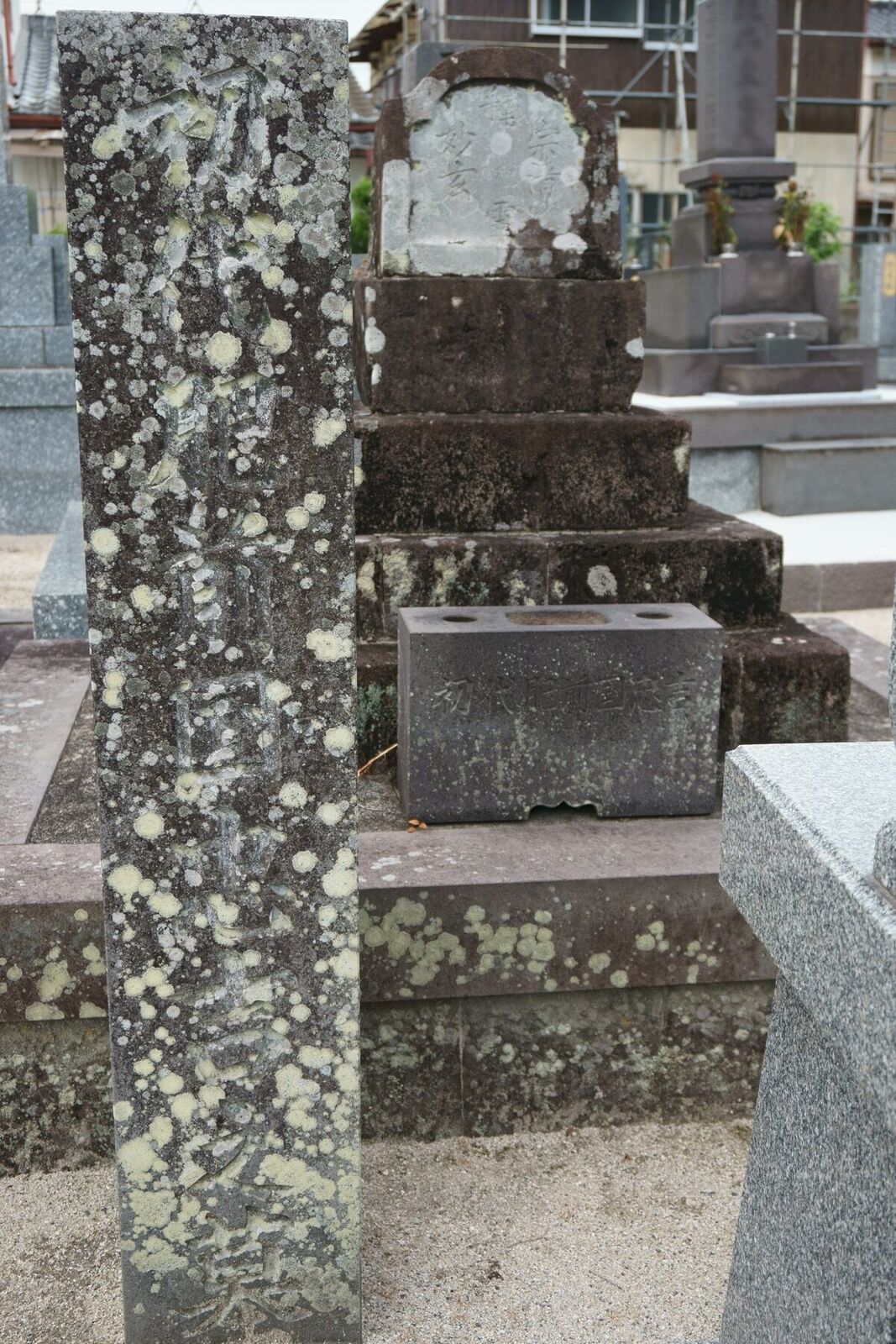 One name, several generations
Life and times
The founder, his time in Kyoto, the Nabeshima and the nine generations.
-
 Kantei keys
Work and style
Konuka-hada, suguha, bōshi, nakago and signatures, and how the generations are told apart.
-
 In museums, shrines and lists
Famous works
The documented works, their designations and his place in the cutting list.
-
 Bibliography and credits
Sources
The sources consulted and the image credits.