On this page
Quick profile
- Name
- Iga no Kami Kinmichi; 金道 (Kinmichi) is also read Kanemichi. From the second generation, with the title of Nihon kaji sōshō in the signature AT
- Kanji and reading
- 伊賀守金道 (Iga no Kami Kinmichi); 日本鍛冶惣匠 (Nihon kaji sōshō) and, from the third generation, 日本鍛冶宗匠 (Nihon kaji sōshō) AT
- Period
- From the end of the Muromachi period to the end of the Edo: the first, with dated work from 1581, died in 1629 or 1630. The Tokyo National Museum holds blades of the name from 1829 and 1835. AT
- Province
- Yamashiro (山城, Yamashiro): Kyoto (京都, Kyōto), in Nishinotōin (西洞院, Nishinotōin); the family came from Mino (美濃, Mino) AT
- School
- Mishina (三品派, Mishina-ha), the Kyoto school that arose from the family of Kanemichi AT
- Master and family
- The first, son of Kanemichi (兼道, Kanemichi) according to the NBTHK and the Nihon Jinmei Daijiten, and brother of Tanba no Kami Yoshimichi, of Etchū no Kami Masatoshi and of Rai Kinmichi according to the NBTHK; the second and the third, according to the same dictionary, each the son of the previous one AT
- Title
- Iga no Kami (伊賀守, Iga no Kami), the first in 1594 (Bunroku 3); Nihon kaji sōshō, in 1614 according to the NBTHK or before the battle of Sekigahara, of 1600, according to Markus Sesko AT
- Generations
- At least three with dates in the Nihon Jinmei Daijiten: the first, who died in 1629 or 1630; the second, in 1680, and the third, from 1655 to 1726. The name continued into the 19th century. How many generations there were is not recorded in the sources consulted. AT
- Cutting rank
- Wazamono (業物, wazamono), the fourth grade of the 『懐宝剣尺』 (Kaihō Kenjaku), for the first, according to the Japanese Wikipedia AT
- Documented fact and tradition
- Documented: blades in the Kyoto and Tokyo National Museums, by the first generation and by generations of the 19th century, and a katana by the first that the NBTHK designated tokubetsu jūyō tōken. Tradition: Tokugawa Ieyasu’s commission and the title that came with it, which the NBTHK and Markus Sesko date differently, and the sword that broke in the duel of Kagiya no Tsuji. AT
In short
According to the NBTHK, the first Kinmichi was the son of Kanemichi, a Seki swordsmith who settled in Kyoto with his sons and gave rise to the Mishina school. His dated work begins in 1581, he received the title of Iga no Kami in 1594 and he died in 1629 or 1630.
The NBTHK relates that in 1614 Tokugawa Ieyasu commissioned from him a thousand ceremonial tachi for his army, and that afterwards all the swordsmiths of Japan came to work under his direction; Markus Sesko places the commission before Sekigahara. From that would come the title of Nihon kaji sōshō, which his successors engraved on the tang with the imperial chrysanthemum. According to Sesko, the house received at its Kyoto office the title applications of swordsmiths from all over the country and presented them at court.
His hardening starts from the Seki style: gunome, togariba and chōji, and a bōshi with a sharp point, the Mishina bōshi, which the NBTHK takes as a trait of the school.
Sections
-
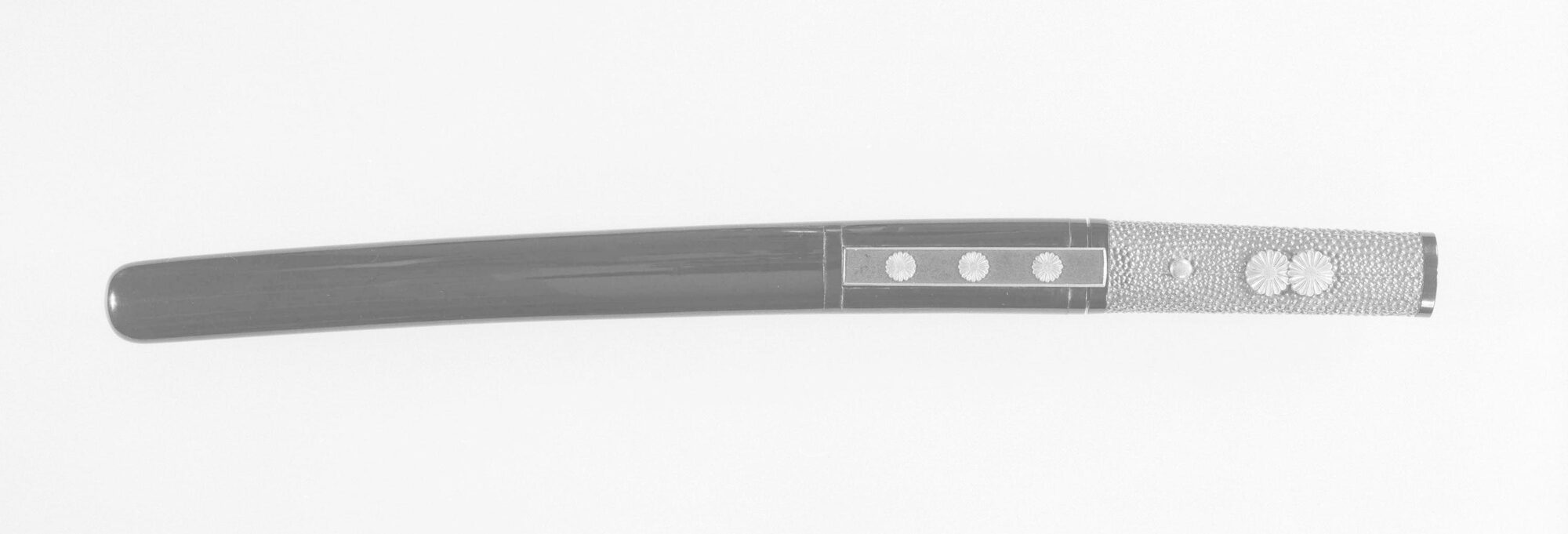 One name, several generations
Life and times
From Seki to Kyoto, Ieyasu’s commission, the title of Nihon kaji sōshō and the generations.
-
 Kantei keys
Work and style
The two manners of the first generation, the Mishina bōshi, the signatures and how to tell the generations apart.
-
 In museums and lists
Famous works
The tokubetsu jūyō katana, the blades in the national museums and the cutting list.
-
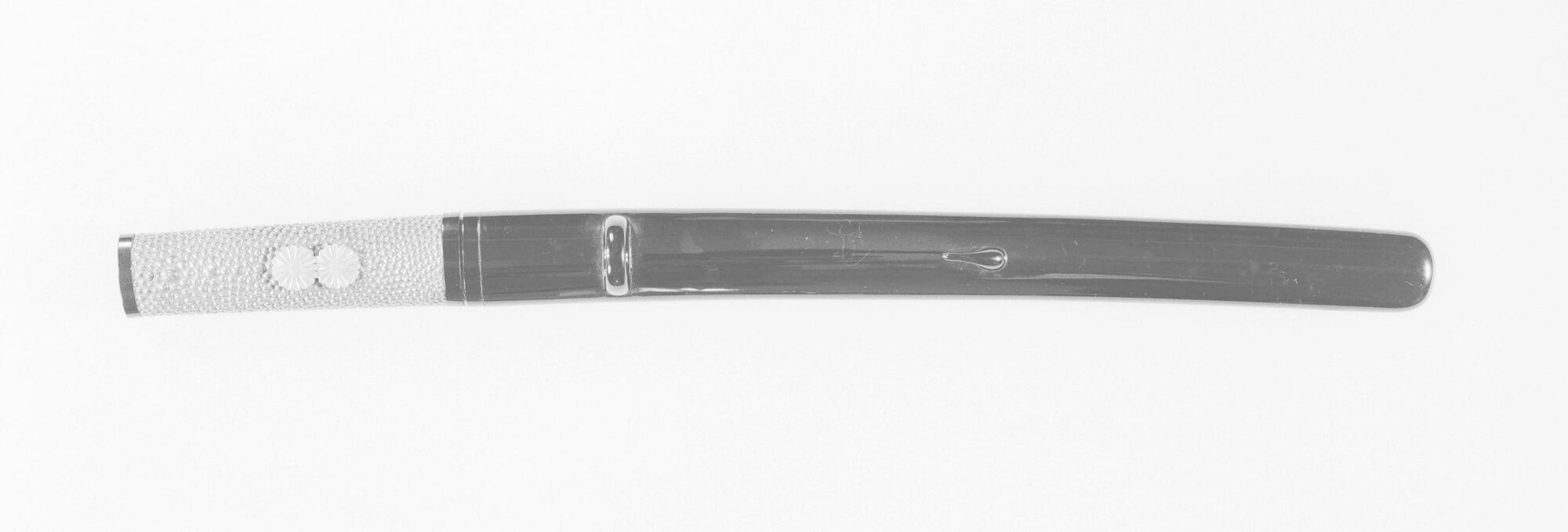 Bibliography and credits
Sources
The sources consulted and the image credits.