On this page
Quick profile
- Name
- Ōmi Daijō Tadahiro, the second Tadahiro of Hizen AT
- Kanji and reading
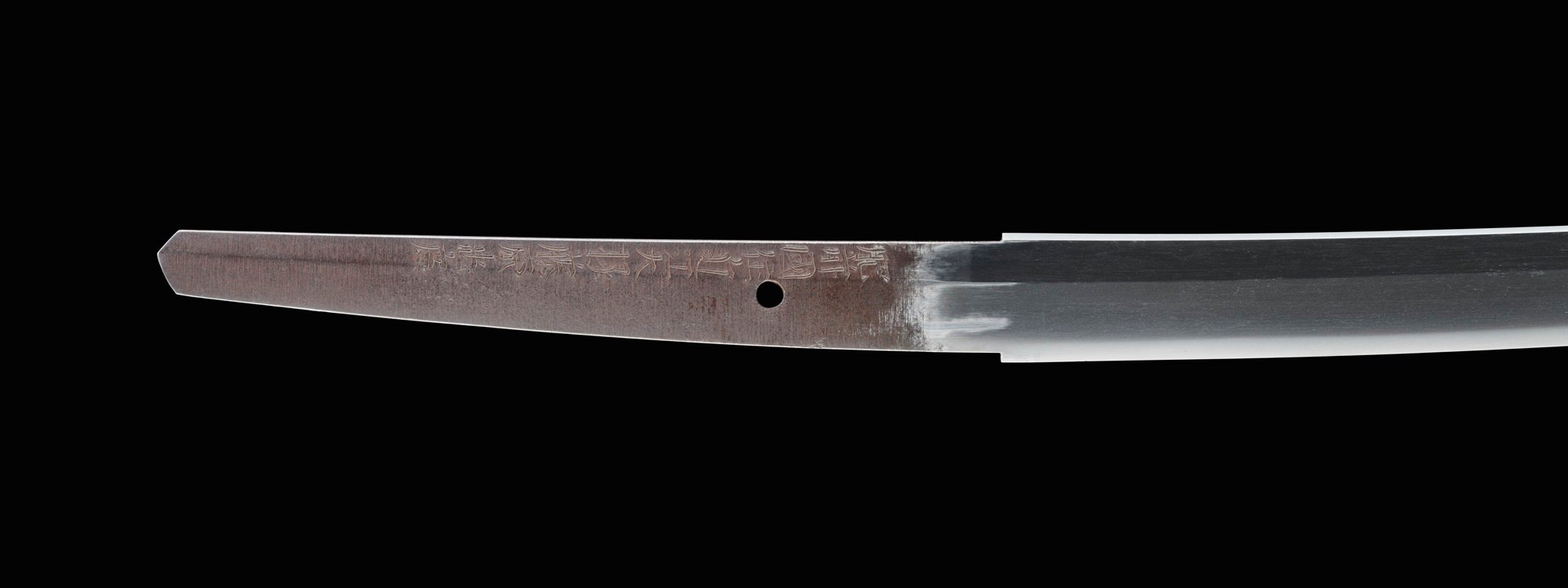
- 近江大掾忠広 (Ōmi Daijō Tadahiro), also written 忠廣 (Tadahiro); signature 肥前国住近江大掾藤原忠広 (Hizen no kuni jū Ōmi Daijō Fujiwara Tadahiro) on katana and 近江大掾藤原忠広 (Ōmi Daijō Fujiwara Tadahiro) on wakizashi HD
- Period
- Shintō, early to mid-Edo period; works dated from the Kan'ei (1624–1644) to the Tenna (1681–1684) eras AT
- Province
- Hizen (肥前, Hizen), in Saga HD
- School
- Hizen-tō (肥前刀, Hizen-tō), the house of the Tadayoshi, smiths of the Saga domain AT
- Master
- His father, the first Tadayoshi (Musashi Daijō Tadahiro); according to the Japanese Wikipedia, he also trained with Kawachi Daijō Masahiro AT
- Title
- Ōmi Daijō (近江大掾, Ōmi Daijō), in 1641 (Kan'ei 18) HD
- Rank
- Ō-wazamono (大業物, ō-wazamono) in the 懐宝剣尺 (Kaihō Kenjaku) of 1797; jōjō-saku (上々作, jōjō-saku) among the shintō AT
- What is documented
- Signed katana and wakizashi in the Tokyo, Kyoto and Kyūshū National Museums; the title of 1641, in the record of the Kyūshū National Museum HD
- The tradition
- His training with Kawachi Daijō Masahiro and the reason he never signed Tadayoshi AT
In short
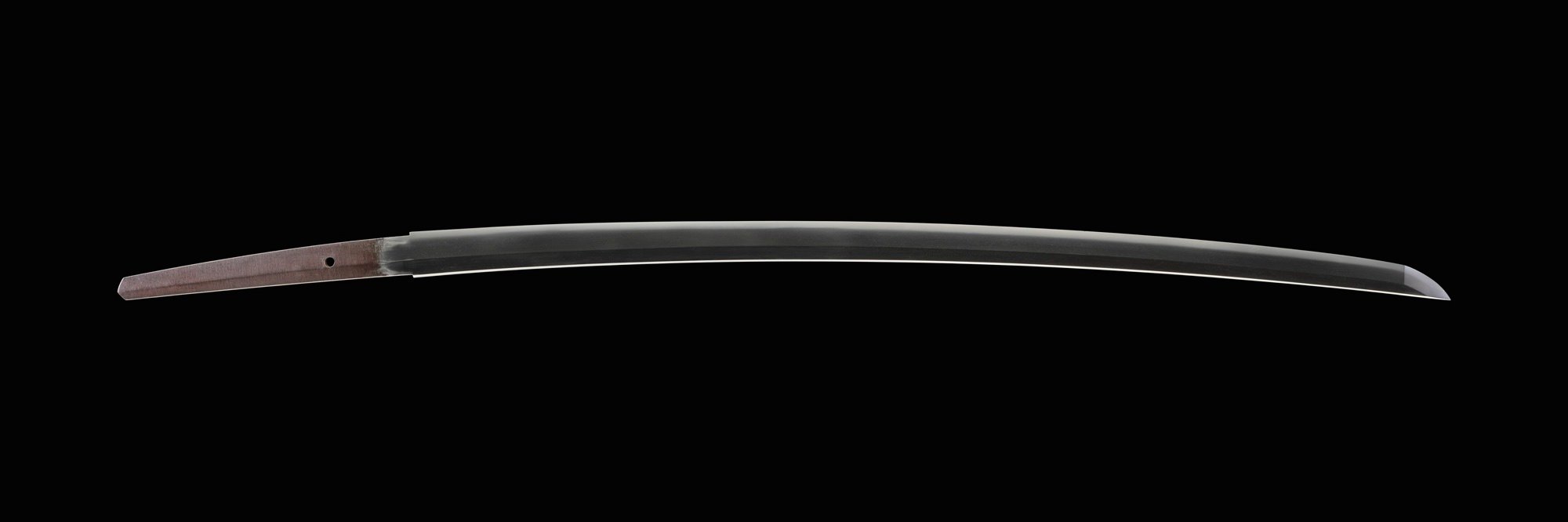
According to the Japanese Wikipedia, he was born in 1614 and died in 1693, aged 80; in Hizen he is held to be the third in mastery of the house, after the first Tadayoshi and the third, Mutsu no Kami Tadayoshi. Hinohara Dai, in the NBTHK Sword Journal, considers him the shintō smith who made the most swords: there are blades dated in nine eras, from Kan'ei to Tenna, and about half are from Kan'ei.
The museum records describe a steel of very tight ko-itame, with thick ko-nie that gives it the look of rice bran, and a temper ranging from suguha to chōji. It is the konuka-hada (小糠肌, konuka-hada) of Hizen. No work of his is recorded as designated a National Treasure or an Important Cultural Property.
Sections
-
 From Kan'ei to Genroku
Life and times
The family, the succession of 1632, the title of 1641, a sixty-year career and his sons.
-
 Kantei keys
Work and style
Sugata, jihada, hamon, bōshi, nakago and mei, and how to tell him from his father and his son.
-
 In museums, shrines and lists
Famous works
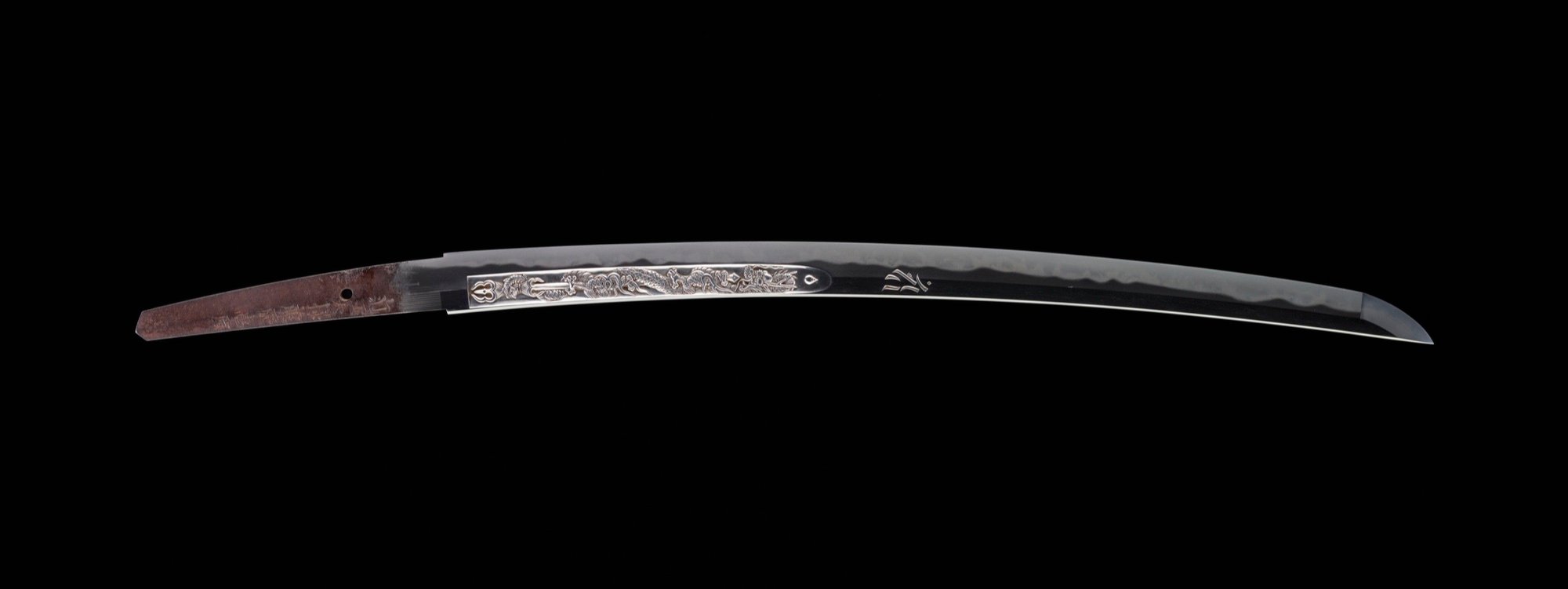
His blades in the Tokyo, Kyoto and Kyūshū National Museums and in New York, and his place in the lists.
-
 Bibliography and credits
Sources
The sources consulted and the image credits.