On this page
Documented works
| Work | Designation | Where it is |
|---|---|---|
| Katana 肥前国住近江大掾藤原忠広 (Hizen no kuni jū Ōmi Daijō Fujiwara Tadahiro), 74.4 cm, sori 1.8 cm | No designation | Kyūshū National Museum (F92) |
| Wakizashi 近江大掾藤原忠広 (Ōmi Daijō Fujiwara Tadahiro), 51.9 cm, with carvings | No designation | Kyūshū National Museum (F7) |
| Katana 肥前国住近江大掾藤原忠広 (Hizen no kuni jū Ōmi Daijō Fujiwara Tadahiro), 76.2 cm, sori 1.3 cm, a mature work with carvings | No designation | Tokyo National Museum (F-20244) |
| Katana 肥前国住近江大掾藤原忠広 (Hizen no kuni jū Ōmi Daijō Fujiwara Tadahiro), 69.5 cm, sori 0.9 cm | No designation | Tokyo National Museum (F-19983) |
| Wakizashi 近江大掾藤原忠広 (Ōmi Daijō Fujiwara Tadahiro), 53.4 cm, sori 1.2 cm, with its mounting | No designation | Tokyo National Museum (F-20161) |
| Katana 肥前国住近江大掾藤原忠廣 (Hizen no kuni jū Ōmi Daijō Fujiwara Tadahiro), 71.4 cm, sori 2.1 cm | No designation | Kyoto National Museum (E甲564) |
| Wakizashi with its mounting, signed Ōmi Daijō Fujiwara Tadahiro | No designation | The Metropolitan Museum of Art, New York (2000.294) |
| Katana with its mounting, dated 1632, which the museum gives to the “second Tadahiro” | No designation | The Metropolitan Museum of Art, New York (36.25.1751a, b) |
| Daishō with their mountings, the katana dated 1636, which the museum gives to the “second Tadahiro” | No designation | The Metropolitan Museum of Art, New York (36.25.1751-1752) |
| Wakizashi made with his son, the third Tadayoshi, around 1680, with 稲荷大明神 (Inari Daimyōjin) drawn in the temper | Offering to a shrine | Yūtoku Inari shrine, Kashima (Saga) |
Note
The two New York blades dated 1632 and 1636 predate the title of 1641 and the signature that includes it: the attribution to the second Tadahiro is doubtful. The wakizashi of the Yūtoku Inari shrine was made known by the Saga Shimbun in 2020; the shrine’s museum considers it extremely rare, because it bears characters formed by the temper.
Two famous blades of the Tokyo National Museum also signed Tadahiro are not his: the museum attributes to Musashi Daijō Tadahiro the katana F-336, with its tachi mounting, and the Important Art Object F-19997.
In the lists
The 懐宝剣尺 (Kaihō Kenjaku), the Yamada cutting list of 1797, places him among the 21 ō-wazamono (大業物, ō-wazamono), the second of its four grades; the Japanese Wikipedia calls him “shintō jōjō-saku and ō-wazamono”. In Tomita Kiyama’s ranking of shintō smiths (1933, published in 1935), modelled on the ranks of sumō, he appears among the honorary ranks, as sewanin, outside the east and west blocks; his father is yokozuna of the west.
He is not recorded in the Kyōhō meibutsuchō (享保名物帳, Kyōhō meibutsuchō), and no work of his is recorded as designated a National Treasure or an Important Cultural Property.
Gallery
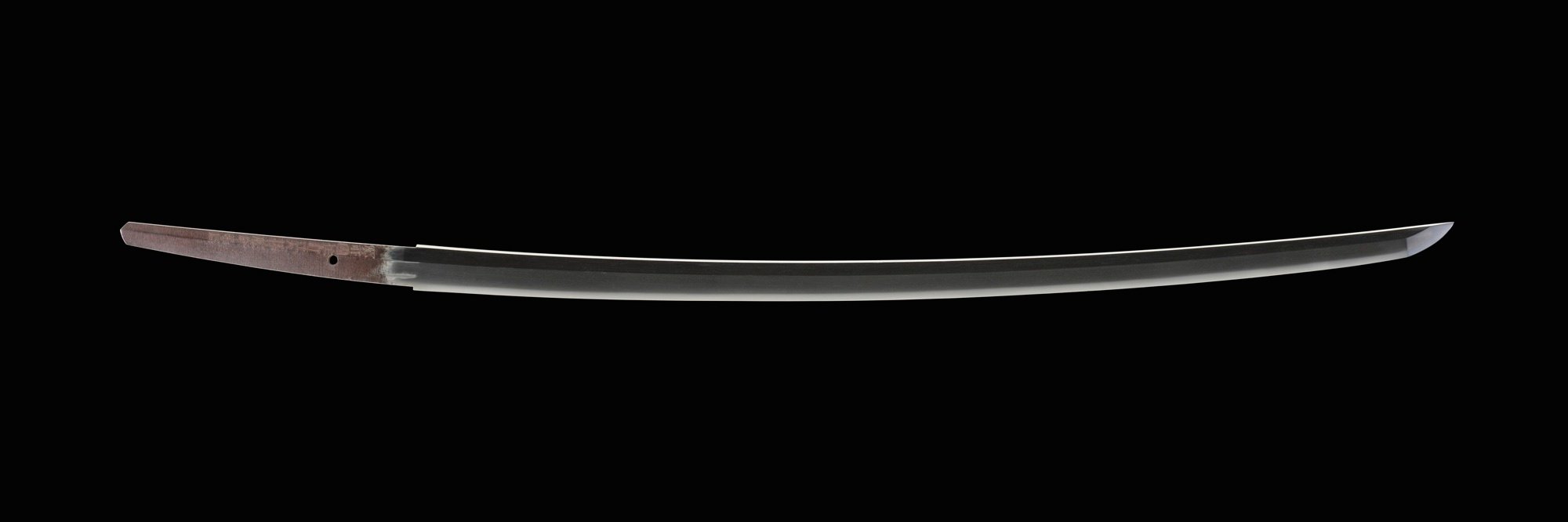
The katana of the Kyūshū National Museum, from the other side. Kyūshū National Museum, via ColBase · ColBase terms of use · source 
Katana signed 肥前国住近江大掾藤原忠広 (Hizen no kuni jū Ōmi Daijō Fujiwara Tadahiro), 76.2 cm, a mature work. Tokyo National Museum. Tokyo National Museum, via ColBase · ColBase terms of use · source 
The katana of the Tokyo National Museum, from the other side. Tokyo National Museum, via ColBase · ColBase terms of use · source 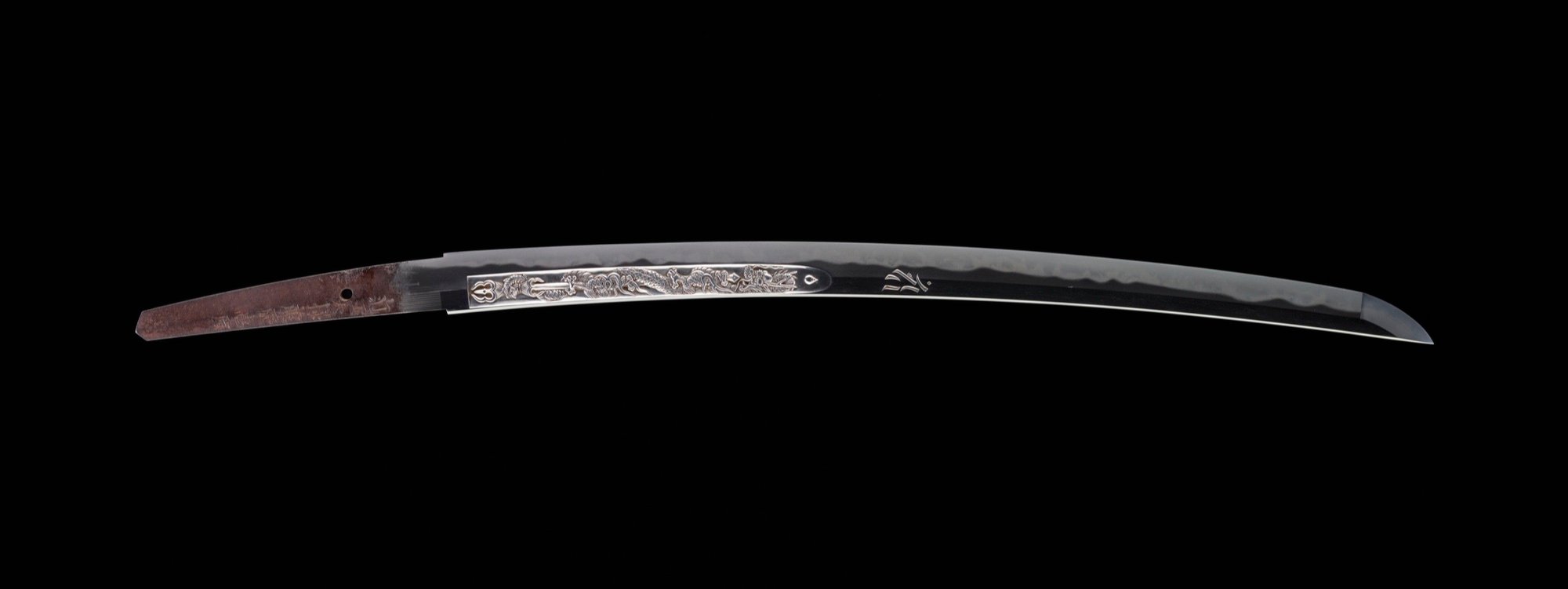
Wakizashi signed 近江大掾藤原忠広 (Ōmi Daijō Fujiwara Tadahiro), 51.9 cm. Kyūshū National Museum. Kyūshū National Museum, via ColBase · ColBase terms of use · source 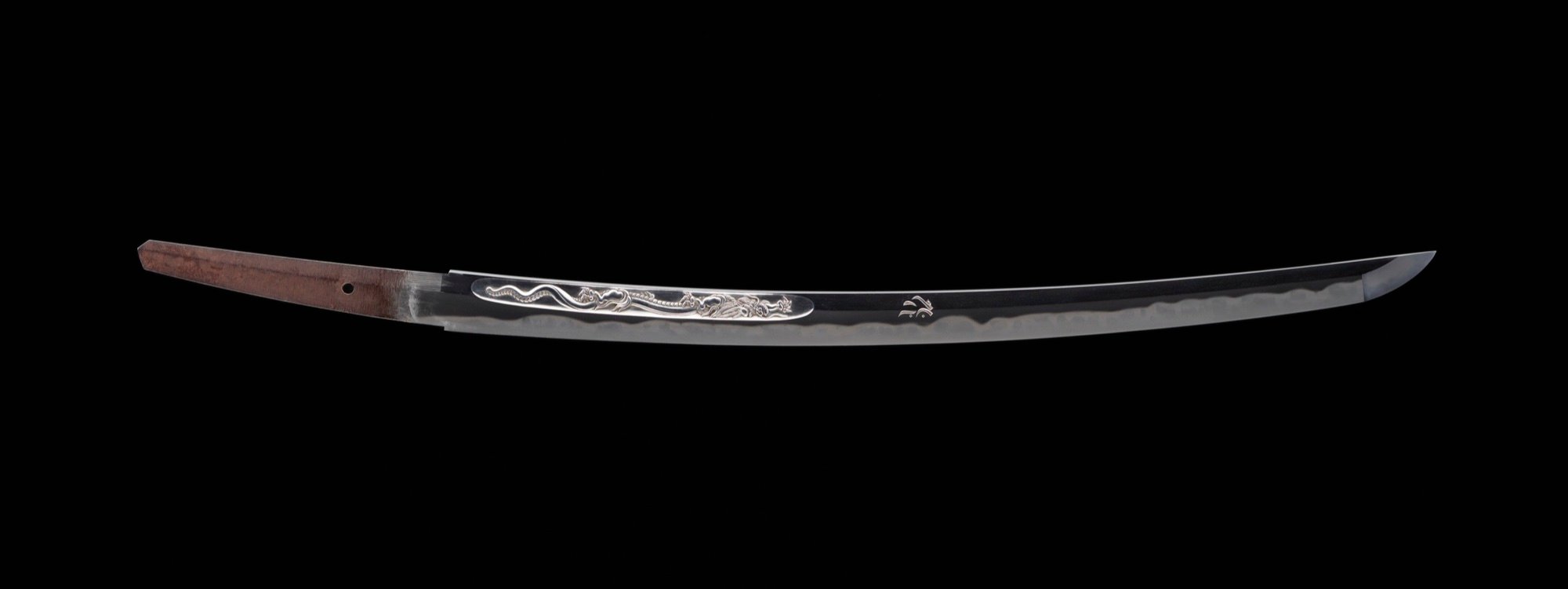
The wakizashi of the Kyūshū National Museum, from the other side. Kyūshū National Museum, via ColBase · ColBase terms of use · source 
Katana signed 肥前国住近江大掾藤原忠廣 (Hizen no kuni jū Ōmi Daijō Fujiwara Tadahiro), 71.4 cm. Kyoto National Museum. Kyoto National Museum, via ColBase · ColBase terms of use · source