On this page
Quick profile
- Name
- Katsumitsu, of Osafune; each swordsmith is told apart by the title in his signature: 右京亮 (Ukyō no Suke), 次郎左衛門尉 (Jirōzaemon-no-jō) and others HD
- Kanji and reading
- 長船勝光 (Osafune Katsumitsu) · 勝光 (Katsumitsu) HD
- Period
- Late Muromachi and Sengoku: the campaign of 1488 and works dated 1505, 1508 and 1509. Sesko also cites a katana made with Munemitsu in 1487. HD
- Province
- Bizen (備前, Bizen): Osafune HD
- School
- Osafune (長船派, Osafune-ha): Sue-Bizen (末備前, Sue-Bizen), with Sukesada, Munemitsu, Kiyomitsu and Tadamitsu HD
- Master
- Not recorded in the sources consulted PC
- Generations
- Several with the same name, according to Kotobank and the Kyūshū National Museum; their genealogy is in none of the sources consulted AT
- Documented fact and tradition
- Documented: the campaign of 1488, in a diary of the time, and his signed and dated blades. With no citable source: how many Katsumitsu there were and in what order. HD
In short
What we know. In 1488, the shōgun Ashikaga Yoshihisa, on campaign in Ōmi, sent for Katsumitsu, who forged with the swordsmiths of Osafune in his camp. Blades signed and dated in the early 16th century survive, such as the katana of 1505 in the Kyūshū National Museum, and a wakizashi made with Munemitsu, jūyō tōken.
How we know it. From the 蔭涼軒日録 (Inryōken nichiroku), a diary of the time, cited by Kotobank and the Kyūshū National Museum; from the blades themselves, and from the NBTHK.
What we do not know. How many Katsumitsu there were, in what order and when each was born or died.
Sections
-
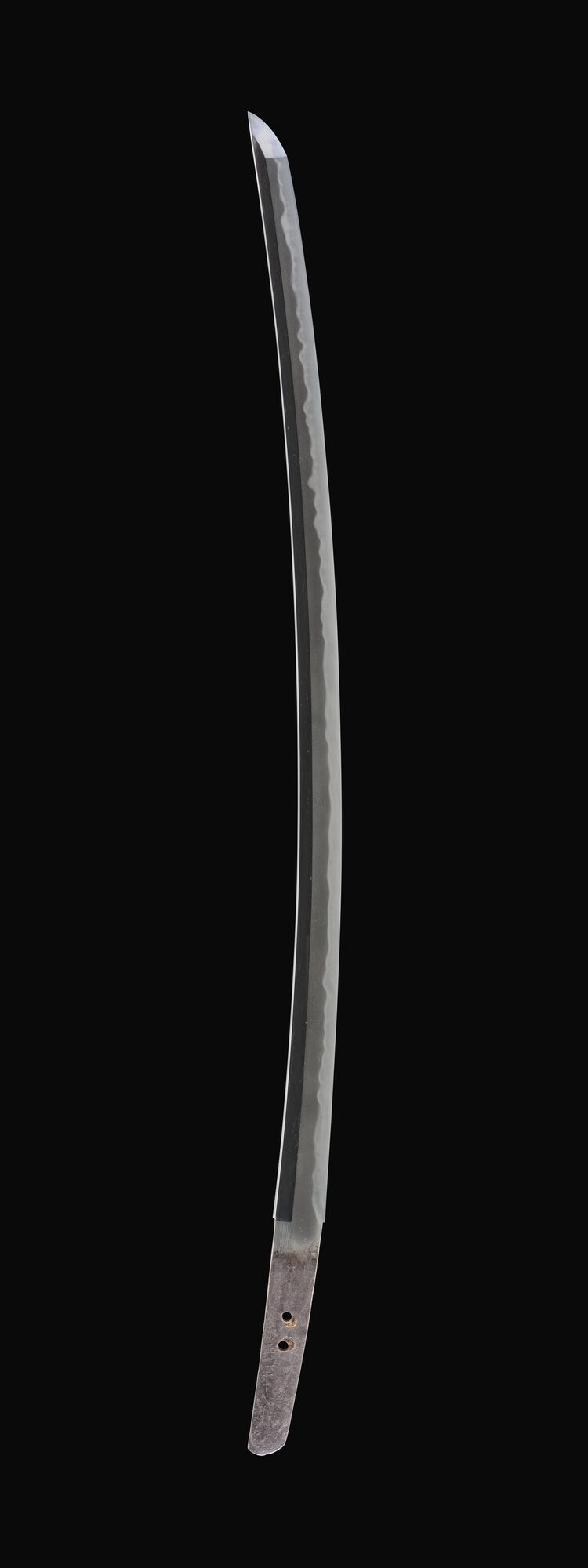 1488 · Ōmi · the shōgun Yoshihisa
Life and times
A name over several generations, the camp at Magari in 1488 and Sue-Bizen.
-
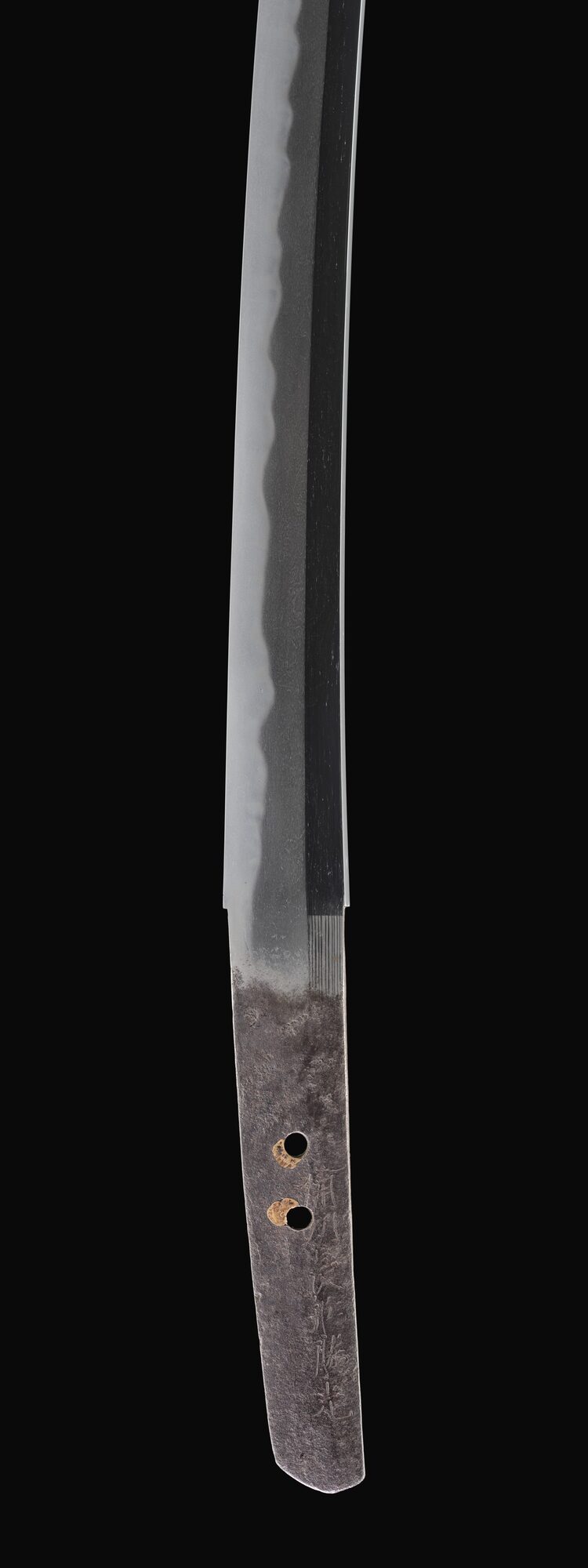 Chōji · gunome · kurikara
Work and style
Kantei keys to their work: the shape, the steel, the temper, the engravings and the signature.
-
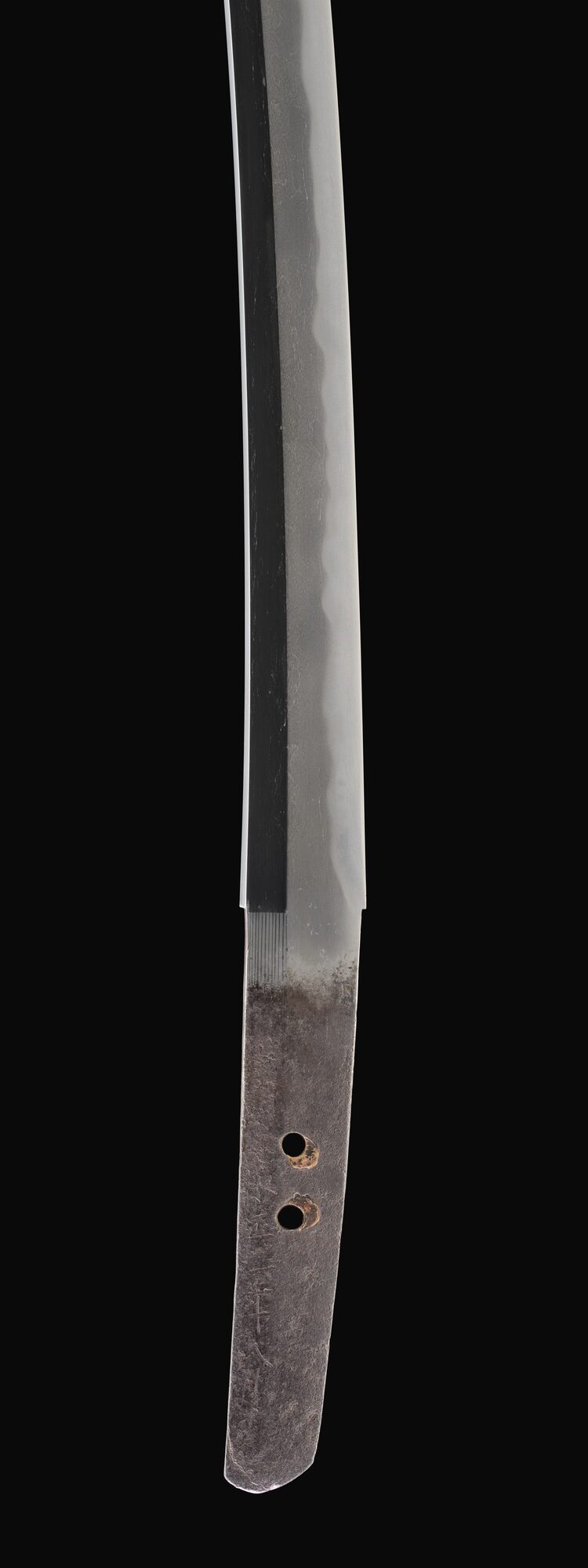 Kyūshū · jūyō tōken · Sakamoto Ryōma
Famous works
Their blades in museums, their works made with Munemitsu and their place in the cutting list.
-
 Bibliography and credits
Sources
The sources consulted on 4 October 2026, with their link, and the credit for each image.