On this page
Quick profile
- Name
- Kiyomitsu, of Osafune; the two best known sign with their title: 五郎左衛門尉 (Gorōzaemon-no-jō) and 孫右衛門尉 (Magoemon-no-jō) HD
- Kanji and reading
- 長船清光 (Osafune Kiyomitsu) · 清光 (Kiyomitsu) HD
- Period
- 16th century: the NBTHK places work with the title of Magoemon-no-jō around the Eishō era (1504–1520), and the peak of Gorōzaemon-no-jō around the Tenbun era (天文, Tenbun; the NBTHK writes Tenmon, 1532–1554). HD
- Province
- Bizen (備前, Bizen): Osafune; Gorōzaemon-no-jō also forged at Tatsuno, in Harima HD
- School
- Osafune (長船派, Osafune-ha): Sue-Bizen (末備前, Sue-Bizen) HD
- Master
- Not recorded in the sources consulted PC
- Generations
- Several with the same name, according to Kotobank and the Kyūshū National Museum; none of the sources consulted gives their order or their kinship AT
- Documented fact and tradition
- Documented: his signed and dated blades, and Gorōzaemon-no-jō’s forging at Tatsuno. With no citable source: that Magoemon-no-jō was the son of Gorōzaemon-no-jō. HD
In short
What we know. There are blades by Kiyomitsu of Osafune dated 1550 and 1555. Gorōzaemon-no-jō Kiyomitsu worked at Tatsuno between 1553 and 1555, called there by his lord, Akamatsu Masahide. For the NBTHK, the works of the two best-known Kiyomitsu share the same style.
How we know it. From the blades themselves, from the records of the Kyūshū National Museum and the Metropolitan Museum of Art and from the studies of the NBTHK.
What we do not know. How many Kiyomitsu there were, in what order, how they were related and when each was born or died.
Sections
-
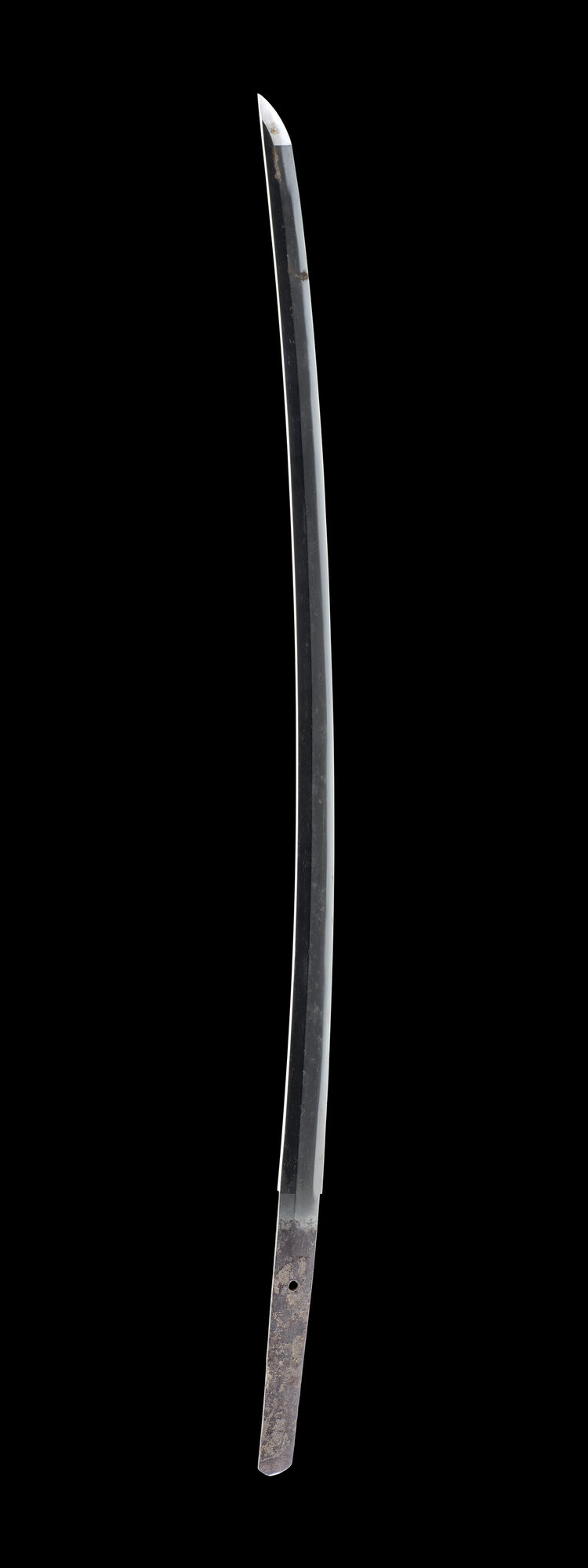 Gorōzaemon · Magoemon · Tatsuno
Life and times
A name over several generations, its two best-known Kiyomitsu and the forge at Tatsuno.
-
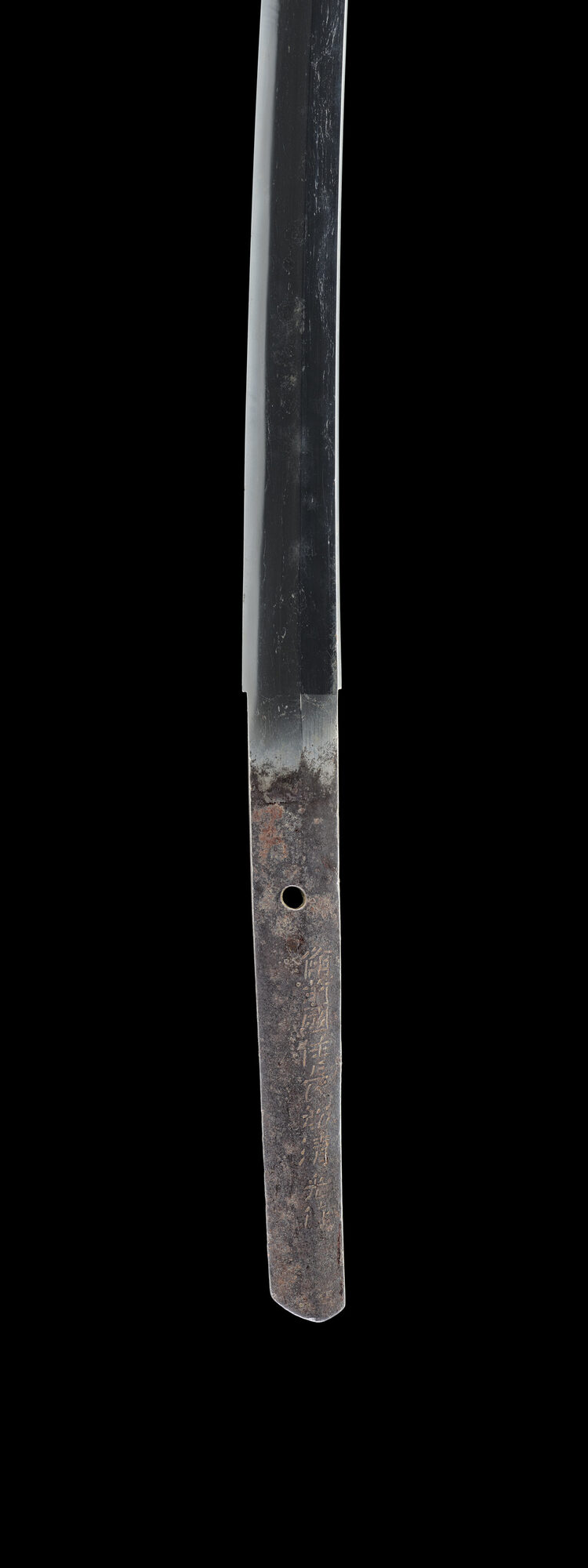 Suguha · hitatsura · mokume
Work and style
Kantei keys to the work: the shape, the steel, the temper, the point and the signature.
-
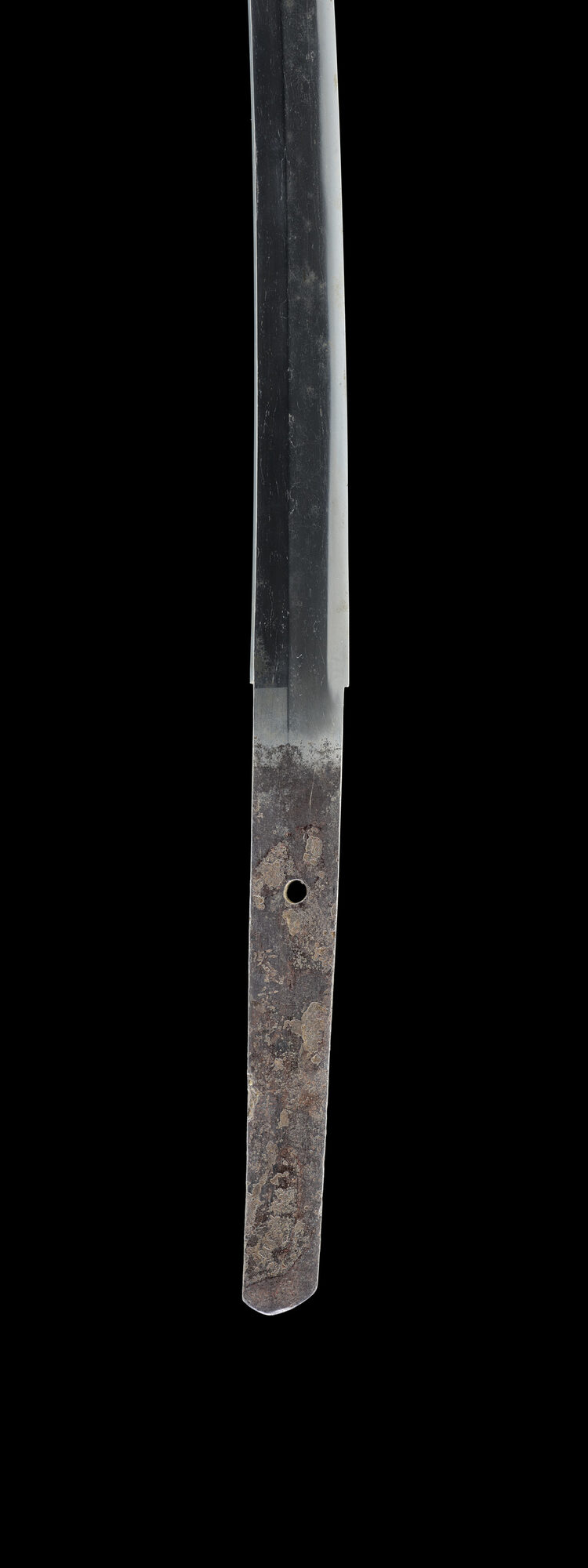 Kyūshū · Tatsuno · New York
Famous works
Its blades in museums, the NBTHK’s katana of 1555 and its place in the cutting list.
-
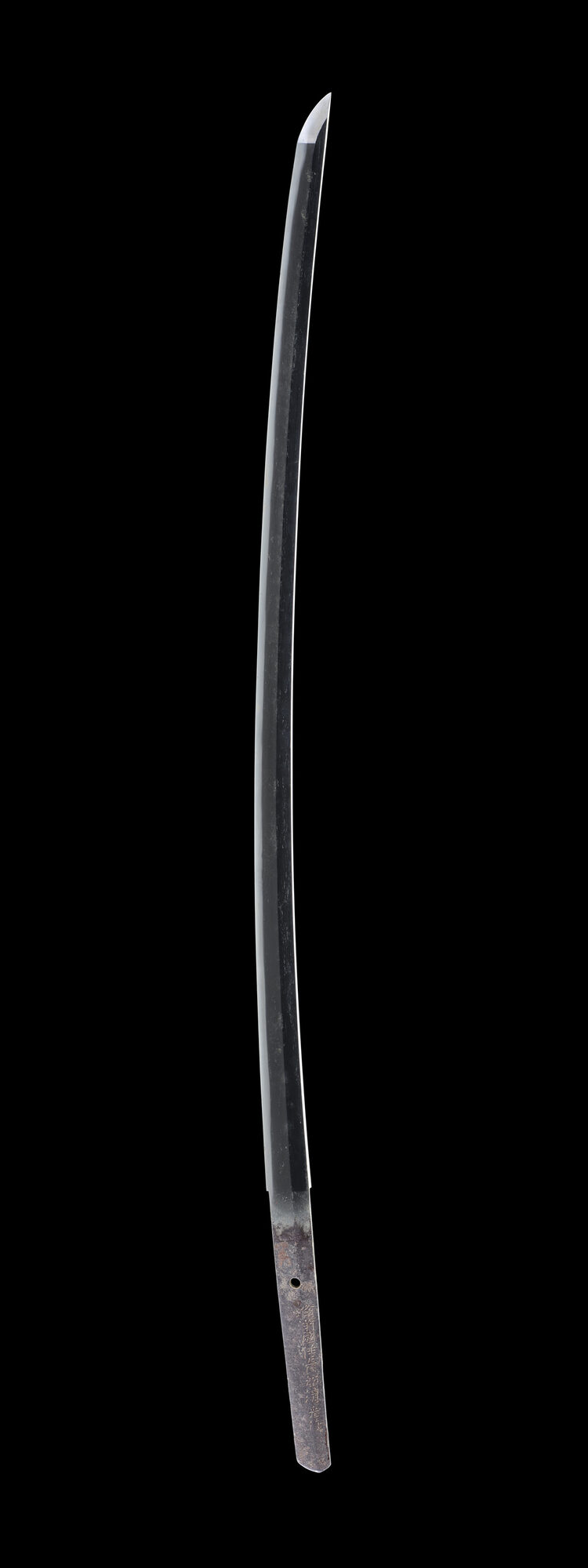 Bibliography and credits
Sources
The sources consulted on 4 October 2026, with their link, and the credit for each image.