
On this page
Quick profile
- Name
- Shintōgo Kunimitsu; he signed 国光 (Kunimitsu), and on one dated blade 新藤五国光 (Shintōgo Kunimitsu); religious name 光心 (Kōshin) AT
- Kanji and reading
- 新藤五国光 (Shintōgo Kunimitsu) HD
- Period
- Late Kamakura: dated blades from 1293 to 1322 according to the NBTHK, or to 1324 according to the Japanese Wikipedia; birth and death unknown AT
- Province
- Sagami: he lived in Kamakura, in Numahama according to tradition (today Numa, in Zushi) AT
- School or tradition
- Effective founder of the Sagami tradition (相州伝, Sōshū-den) AT
- Master
- According to the treatises, Bizen Saburō Kunimune, Ichimonji Sukezane or Awataguchi Kunitsuna; tradition makes Kunitsuna his father AT
- Documented fact and tradition
- Documented: his signed and dated blades, and the National Treasure in the official database. Tradition: his family, his master and his students. AT
In short
What we know. The database of cultural properties of the Agency for Cultural Affairs (文化庁, Bunkachō) describes the tantō 会津新藤五 (Aizu Shintōgo), a National Treasure since 1933, and regards it as the work that represents Kunimitsu. The Japanese Wikipedia gives his dated blades from 1293 to 1324 (the NBTHK puts the last one in 1322), two more National Treasures and about ten Important Cultural Properties.
How we know it. His life comes from the old treatises, above all the Kanchi-in-bon Meizukushi, a copy of 1423, by way of Wikipedia and the dictionaries; his style, from the official record of the Aizu Shintōgo and from Markus Sesko’s commentaries.
What we do not know. The official records of the other two National Treasures, and the date of a tantō of 1358 in the Tokyo National Museum, which does not fit with the others.
Sections
-
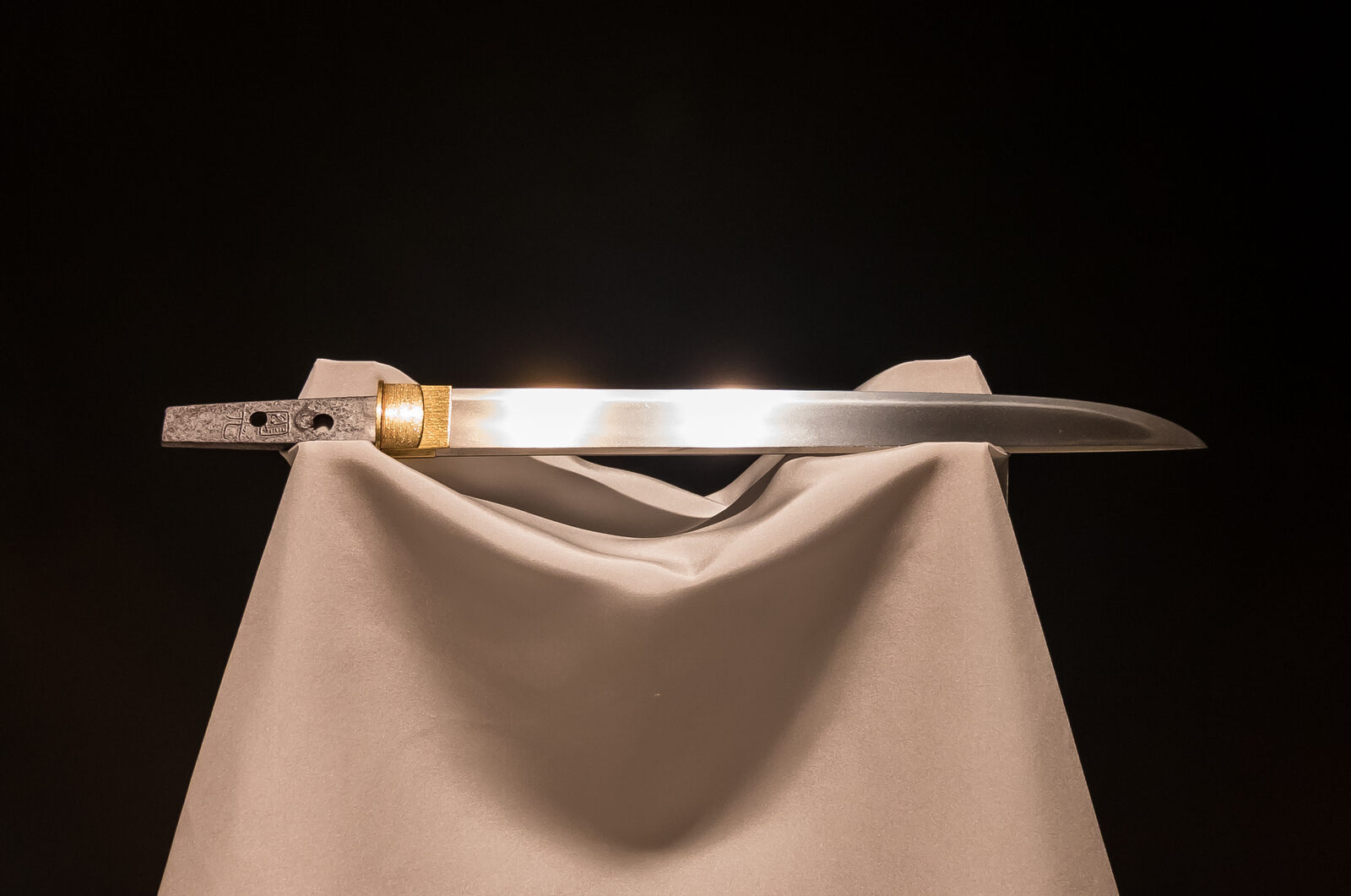 Kamakura · Awataguchi · Bizen
Life and times
What the old genealogies say about his father, his master and his students, and why they do not agree.
-
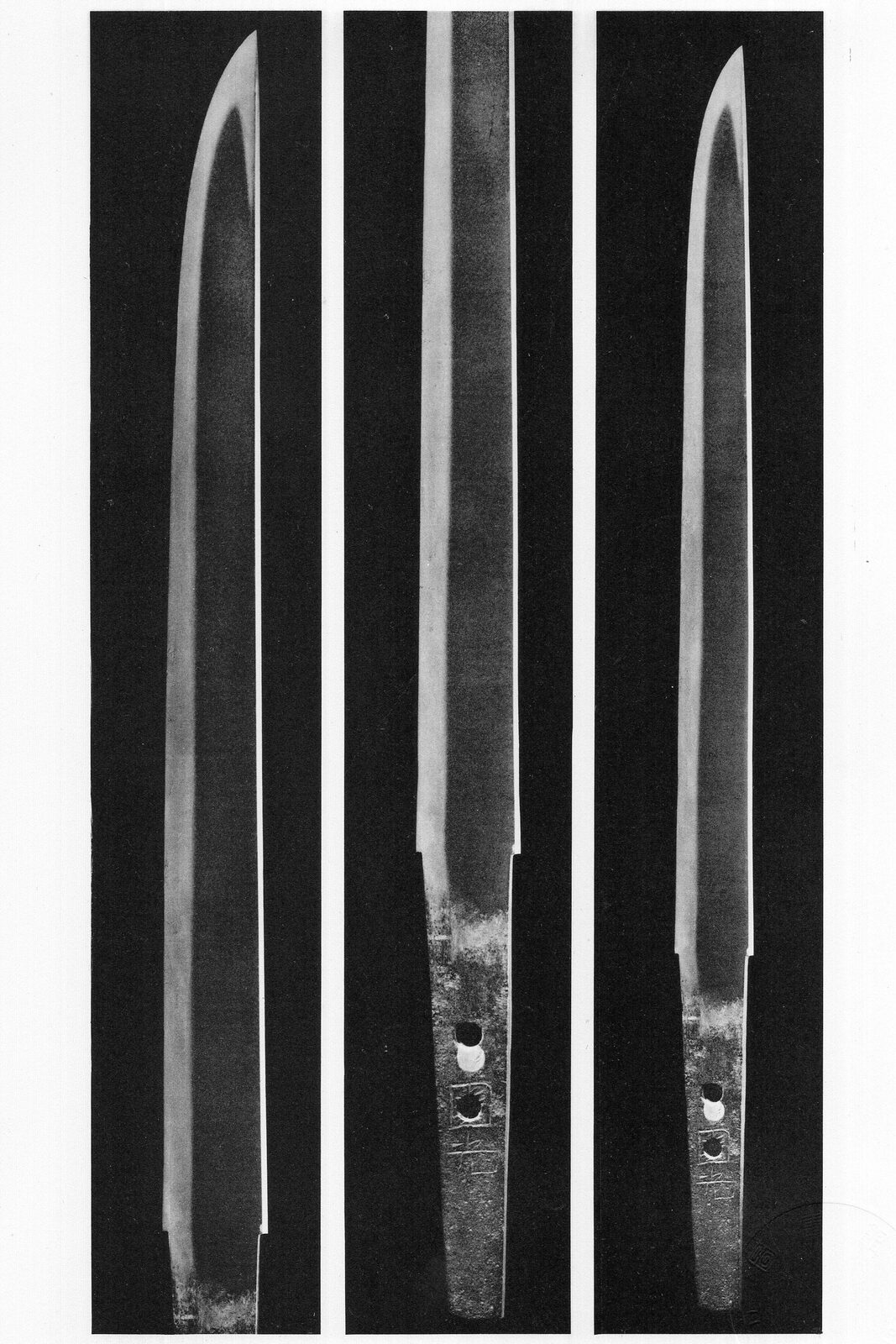 Suguha · nie · kinsuji
Work and style
The kantei keys of his tantō: the steel, the temper, the point, the shape, the tang and the signature.
-
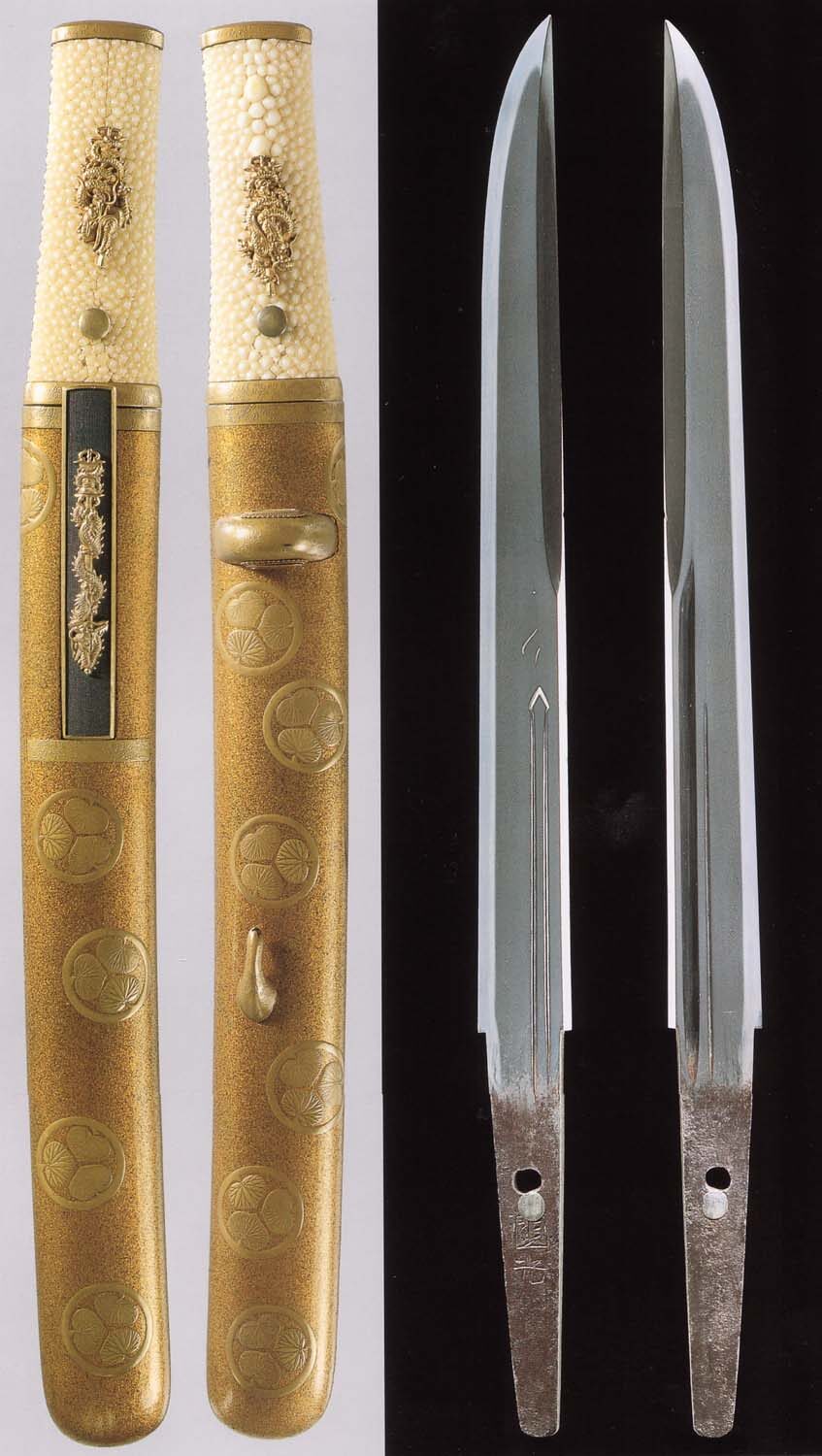 Aizu Shintōgo · National Treasures
Famous works
The Aizu Shintōgo, the other National Treasures and Important Cultural Properties, and his place in the treatises.
-
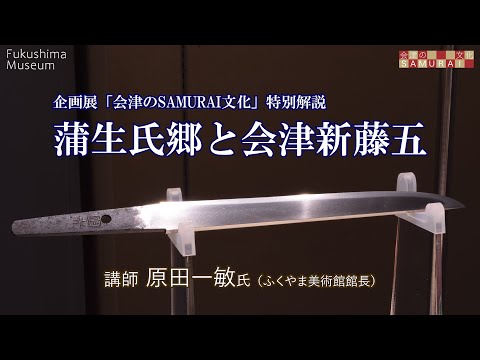 Museums and exhibitions
Videos
Three videos: two from the Fukushima Prefectural Museum and a short one about the Aizu Shintōgo.
-
 Bibliography and credits
Sources
The sources consulted on 4 October 2026, with their link, and the credit for each image.