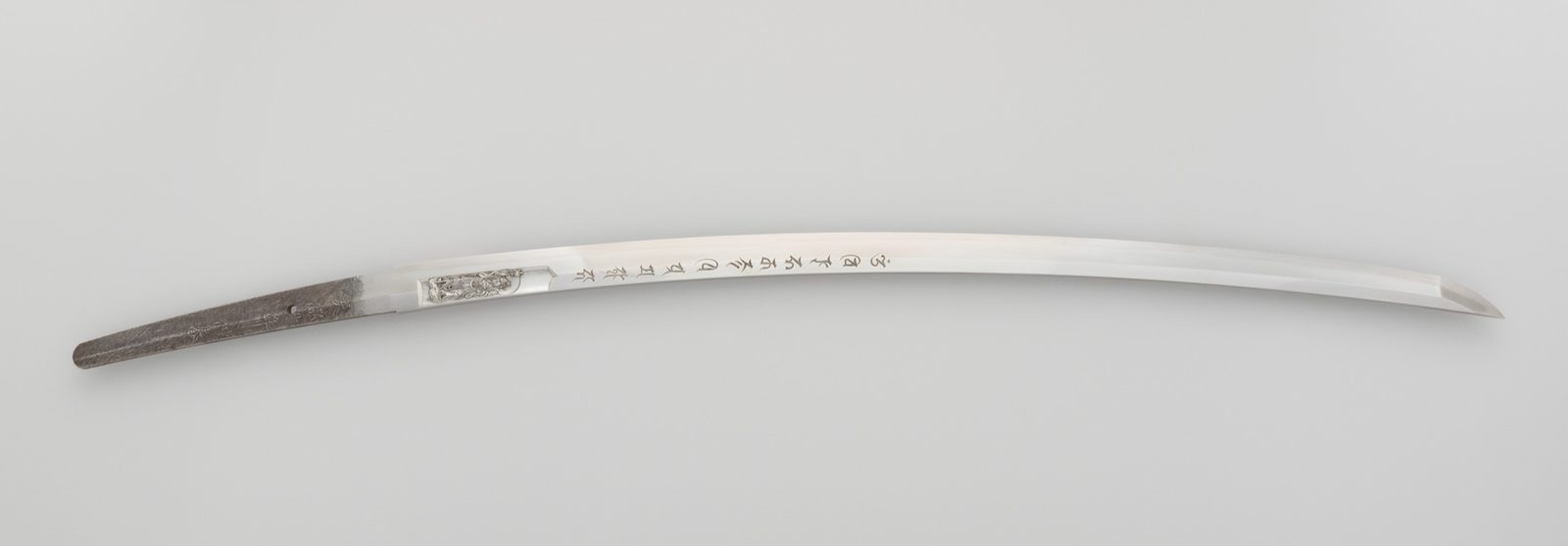
On this page
Quick profile
- Name
- Taikei Naotane; he also signed Fujiwara Naotane (藤原直胤) AT
- Kanji and reading
- 大慶直胤 (Taikei Naotane): Taikei is his swordsmith’s name (号, gō) and Naotane his forging name AT
- Period
- Shinshintō: late Edo; his earliest signed blade is dated 1801. He died in 1857. HD
- Province
- Born in Yamagata, in Dewa (出羽, Dewa); worked in Edo and on his journeys AT
- School
- School of Suishinshi (水心子, Suishinshi), in Edo HD
- Master
- Suishinshi Masahide (水心子正秀), who was also from Dewa AT
- Title
- Chikuzen Daijō (筑前大掾) around 1821-1822; Mino no Suke (美濃介) in 1848 AT
- Generations
- No other swordsmith signing Naotane is recorded: the workshop was inherited by his son-in-law Jirōtarō Naokatsu (次郎太郎直勝) and by a second Naokatsu AT
- Rank
- One of the Edo sansaku (江戸三作) with Masahide and Kiyomaro; in Tomita Kiyama’s ranking (1933; published in 1935), among the “sewanin” (世話人), a group of honour AT
- Documented fact and tradition
- His blades, the titles in his signature and his place in the school are documented by the NBTHK and by museums. His date of birth and the dates of his early years vary from source to source. That his father was a smith who signed Yasumitsu is a tradition that the Japanese Wikipedia itself considers uncertain. AT
In short
What we know. That, according to the NBTHK, he was a pupil of Suishinshi Masahide and his works surpass Masahide’s: he forged Bizen copies in the style of Kagemitsu and Kanemitsu and Sōshū blades, and signed with his titles of Chikuzen Daijō and Mino no Suke. He has blades designated Important Art Object (重要美術品, Jūyō Bijutsuhin) and cultural properties of Okayama and Mie prefectures, and the Tokyo National Museum and the Metropolitan in New York hold works of his.
How we know it. From the NBTHK’s commentaries in its Sword Journal and in the labels of the 2025 Edo sansaku exhibition, and from the records of the museums and the prefectures. His life is told in detail by the researcher Markus Sesko and by the Japanese Wikipedia.
What we do not know. Whether he was born in 1778 or in 1779, whether he became independent in 1801 or around 1804, and whether he entered the service of the Akimoto in 1811 or in 1812: the sources disagree. It is not recorded in the sources consulted that he appears in the Yamada cutting lists.
Sections
-
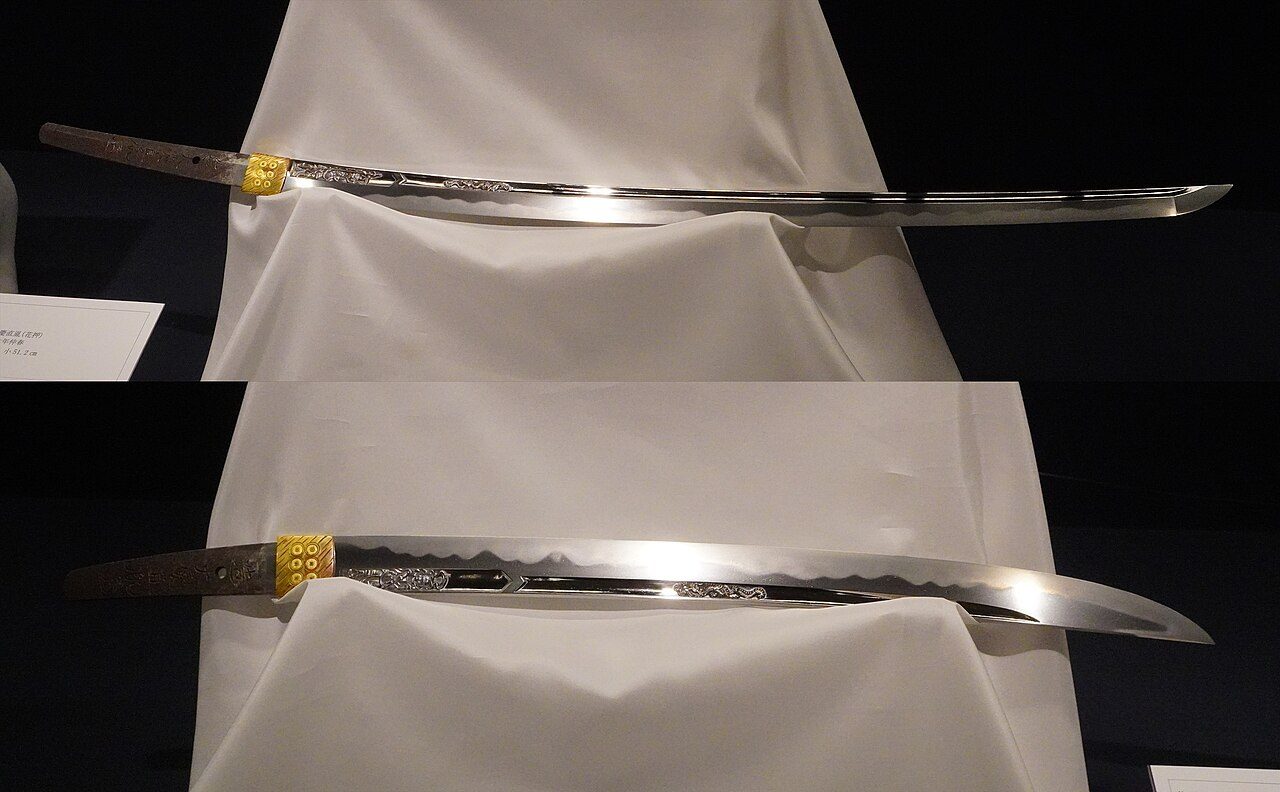 Dewa · Edo · the Akimoto · the journeys
Life and times
From Yamagata to Edo, his titles, his journeys, the Matsushiro test and the workshop the Naokatsu inherited.
-
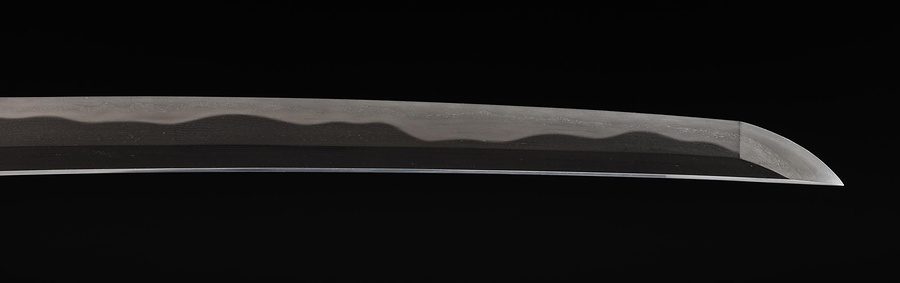 Bizen utsushi · Sōshū · uzumaki-hada
Work and style
The kantei keys of his blades, his signature and how he is told apart from his master and his school.
-
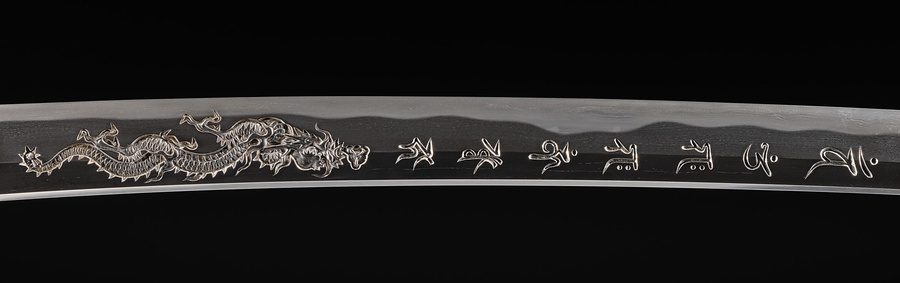 Jūyō Bijutsuhin · prefectural properties · museums
Famous works
His designated blades, those in the museums of Tokyo and New York, and his place in the lists.
-
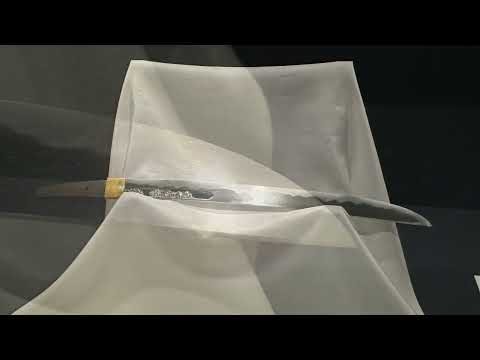 His blades on display
Videos
Two videos of 2025 exhibitions with blades by Naotane.
- Bibliography and credits Sources The sources consulted on 4 October 2026, with their link where possible, and the credit for each image.