On this page
Quick profile
- Name
- Yoshimitsu, common name Tōshirō; also Awataguchi Yoshimitsu; he signed 吉光 (Yoshimitsu) HD
- Kanji and reading
- 藤四郎吉光 (Tōshirō Yoshimitsu); 粟田口吉光 (Awataguchi Yoshimitsu) AT
- Period
- Middle or late Kamakura period, around the 13th century; no dated blades AT
- Province
- Yamashiro (山城, Yamashiro): Awataguchi (粟田口, Awataguchi), in Kyoto AT
- School
- Awataguchi, of the Yamashiro tradition; for the NBTHK, its last great master AT
- Lineage
- Son of 則国 (Norikuni) or of 国吉 (Kuniyoshi), or pupil of Kuniyoshi: the sources do not agree AT
- What is documented
- His blades signed 吉光 (Yoshimitsu): four National Treasures and nine Important Cultural Properties in the official database of the Agency for Cultural Affairs HD
- The tradition
- The legends of his tantō, such as that of the Yagen Tōshirō, which would not wound its owner, and the custom of the daimyō of keeping one of his as an amulet AT
In short
Yoshimitsu worked at Awataguchi, in Kyoto, in the second half of the Kamakura period. There are no dated blades of his: his period is deduced from the work of his father or master and from that of his brother. He made mostly tantō, and only one tachi of his is known, the Ichigo Hitofuri (一期一振, Ichigo Hitofuri), shortened.
Hideyoshi placed him among the three great swordsmiths of the realm with 正宗 (Masamune) and 江義弘 (Gō Yoshihiro), and the 『享保名物帳』 (Kyōhō meibutsuchō) records it so. The NBTHK holds his signatures to be the finest of the Japanese sword.
His four National Treasures are three tantō, the Atsu Tōshirō, the Gotō Tōshirō and that of the Tachibana, and a ken of the Hakusan-hime shrine.
Sections
-
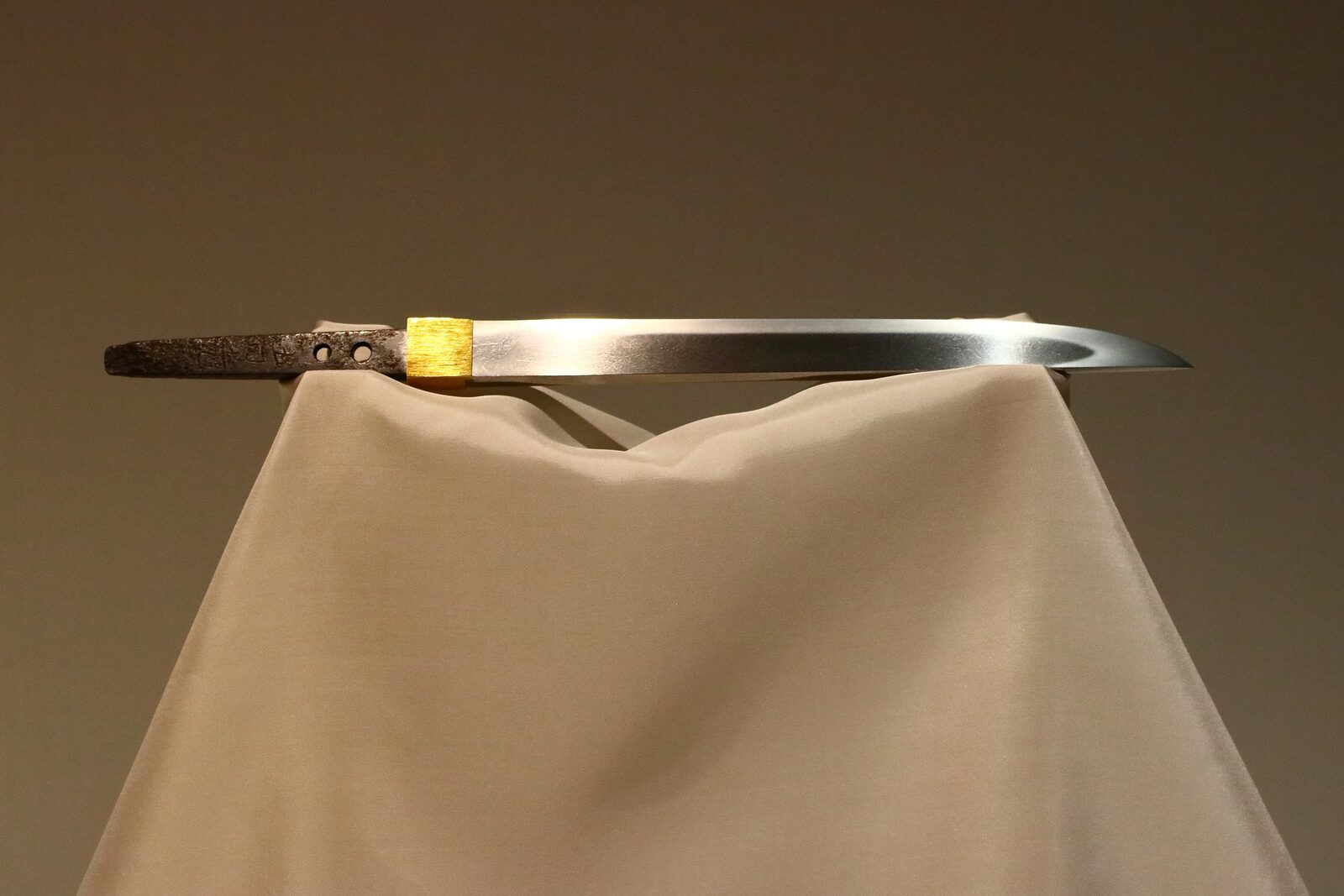
 Awataguchi, Kyoto, Kamakura
Life and times
His dates, his father or master, Hideyoshi’s three greats and the blades that burned.
-
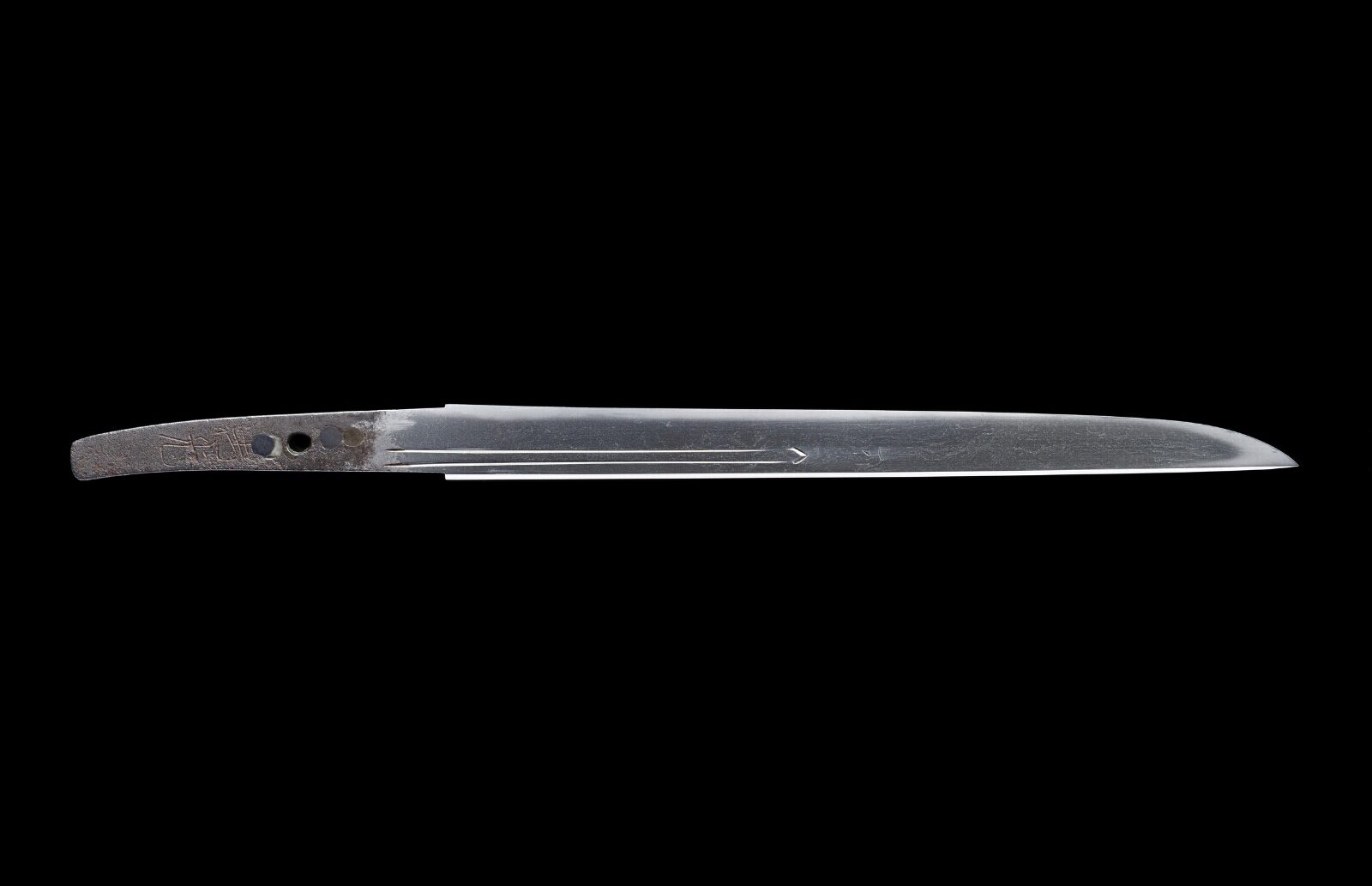
 Tantō · nashiji · suguha of nie
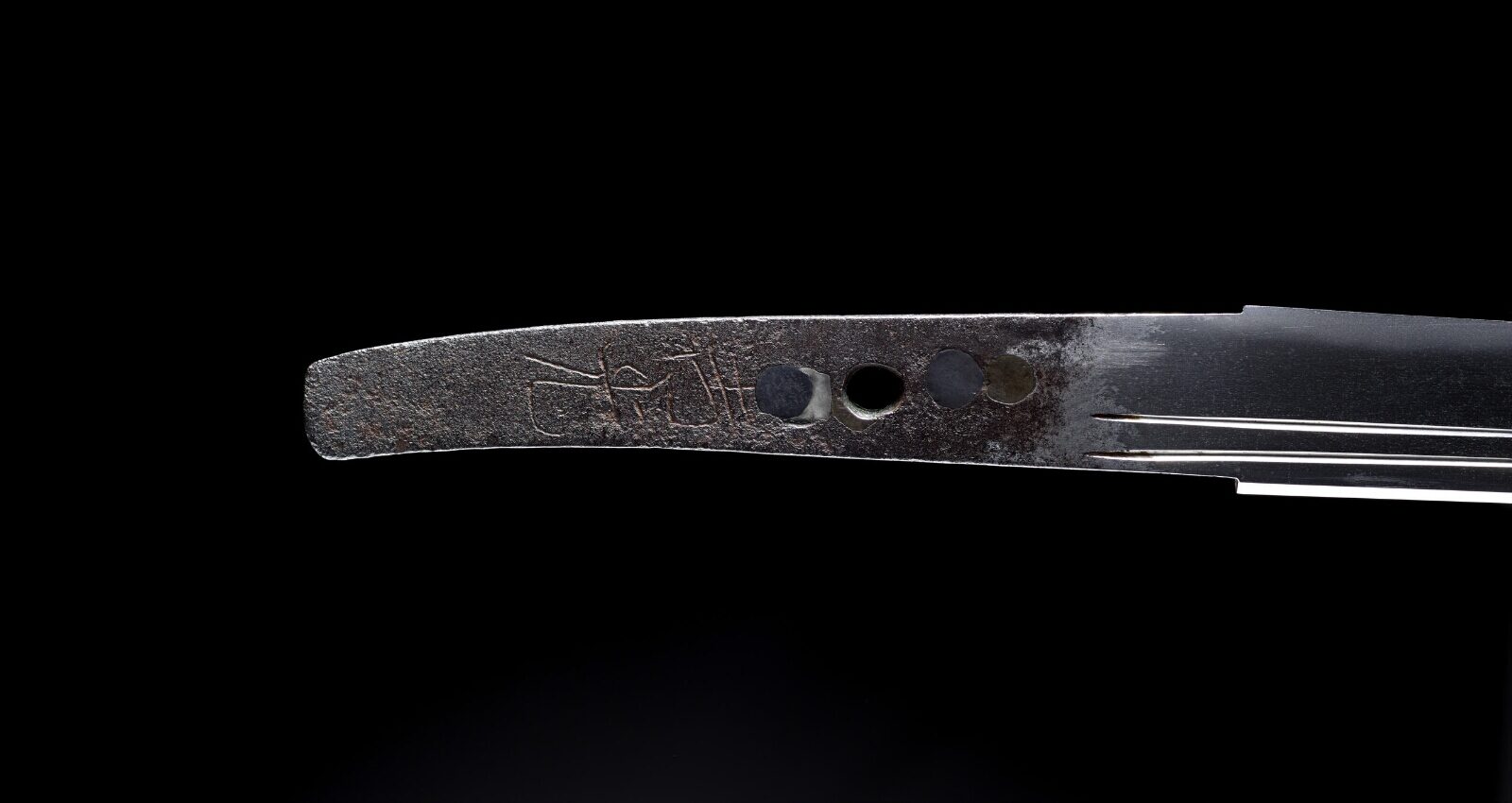
Work and style
Sugata, jihada, hamon, bōshi, nakago and mei: the keys to recognising him.
-
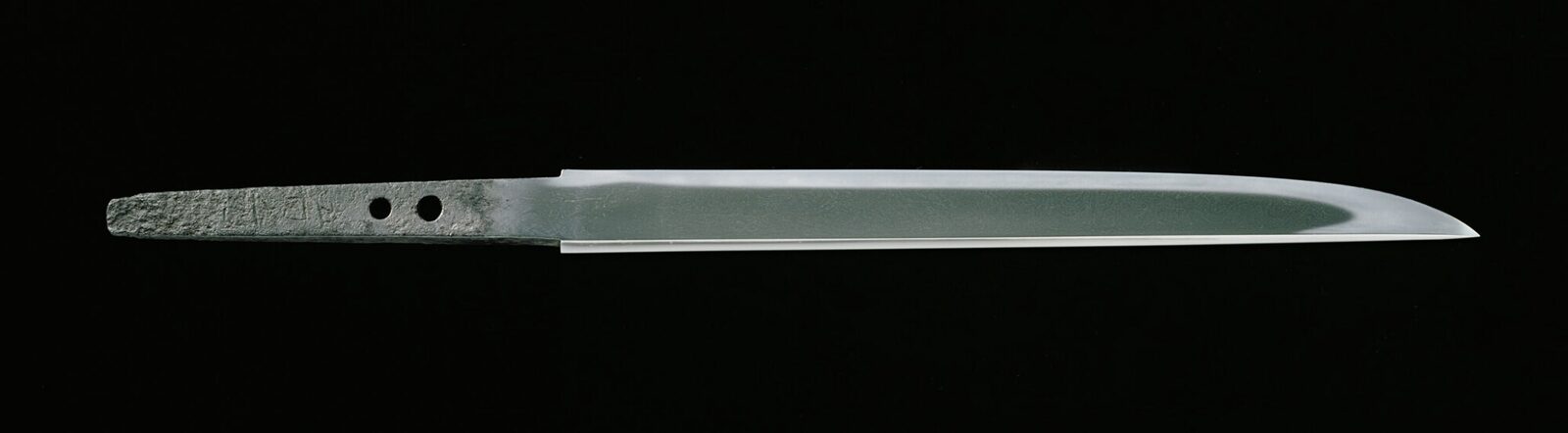 The named Tōshirō
Famous works
His National Treasures, his Important Cultural Properties, the blades of the imperial collection and the lost ones.
-
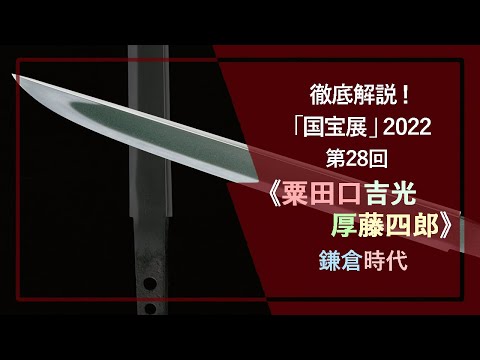 His tantō on display
Videos
Five videos of his blades in museums and exhibitions.
-
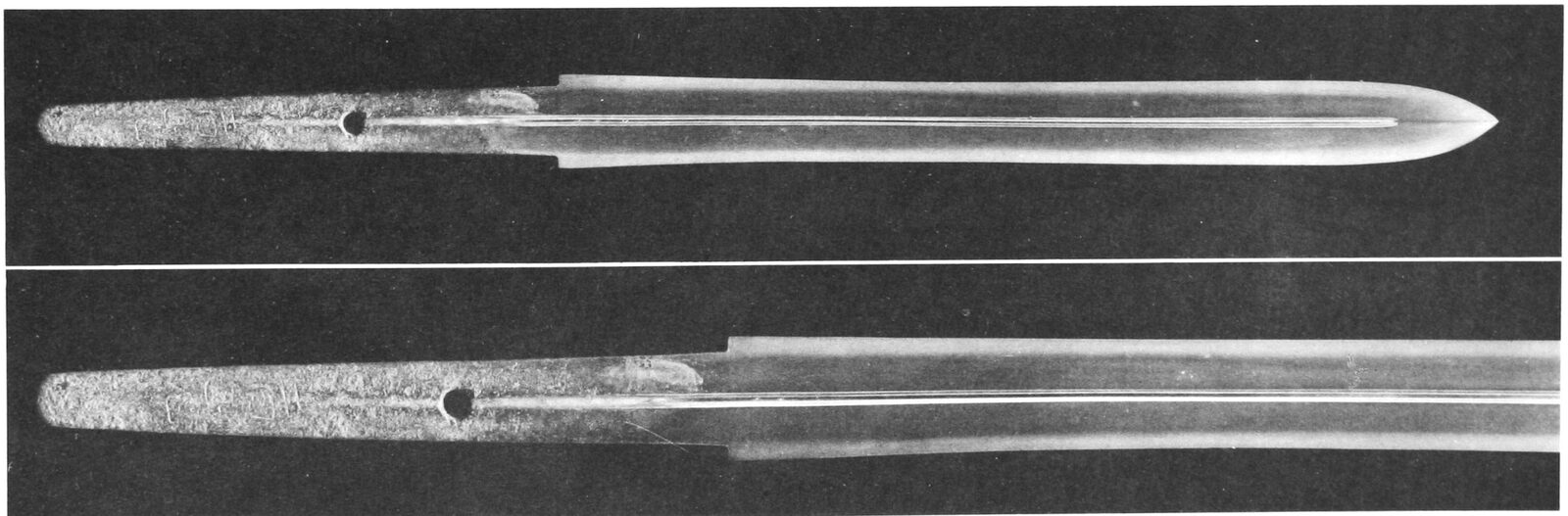 Bibliography and credits
Sources
The sources consulted and the image credits.