On this page
Quick profile
- Name
- Akihiro; signed 相州住秋広 (Sōshū-jū Akihiro); the name is also written 秋廣 (Akihiro) HD
- Kanji and reading
- 秋広 (Akihiro) · 秋廣 (Akihiro) HD
- Period
- Nanbokuchō (南北朝, Nanbokuchō), 14th century: blades dated from 1357 to 1387, or to 1392 HD
- Province
- Sagami (相模, Sagami), which the signature abbreviates as 相州 (Sōshū) HD
- Master and generations
- His master is not known; some sources speak of a second generation, without academic backing PC
- Documented fact and tradition
- Documented: his dated blades, his signature and his designated works. Attributed: that with Hiromitsu he created hitatsura, and his place among the heirs of Masamune. II
In short
What we know. His signed and dated blades, from 1357 onwards; a tantō of 1376 in the Kyoto National Museum and an unsigned katana attributed to him, both Important Cultural Properties (重要文化財, jūyō bunkazai); a tantō of 1370 in the Tokyo National Museum, and a wakizashi of 1398 that is 重要刀剣 (jūyō tōken) and today belongs to the NBTHK.
How we know it. From the records of the national museums and of the official heritage database, and from the NBTHK’s 2026 study of him and Hiromitsu. His place in history is given by those same sources and by the encyclopaedias.
What we do not know. His master, when he was born and died, exactly where in Sagami he forged and whether there was a second generation with his name.
Sections
-
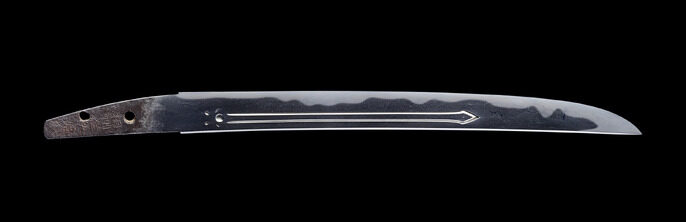
 After Masamune · alongside Hiromitsu
Life and times
What his dates, his signature and his place in the Sagami forge tell us.
-
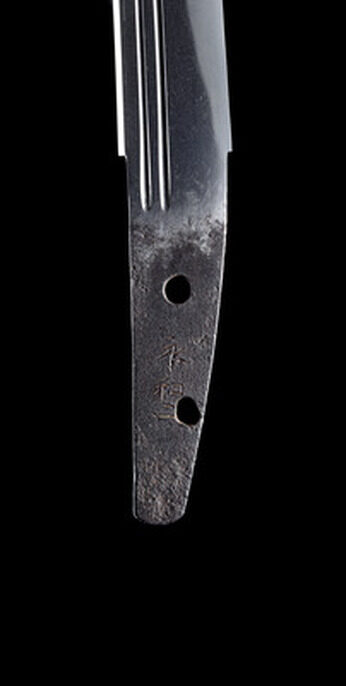
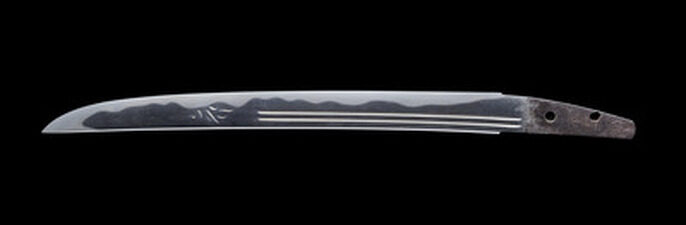 Hitatsura · engravings · short blades
Work and style
The keys to recognising his work: shape, steel, temper, point, engravings, tang and signature.
-
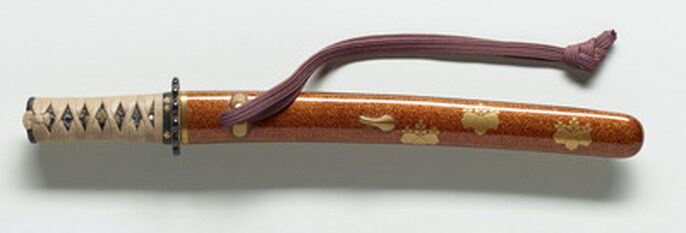 Important Cultural Properties · museums
Famous works
His designated works and those held by museums, with the 1376 tantō of the Kyoto National Museum.
-
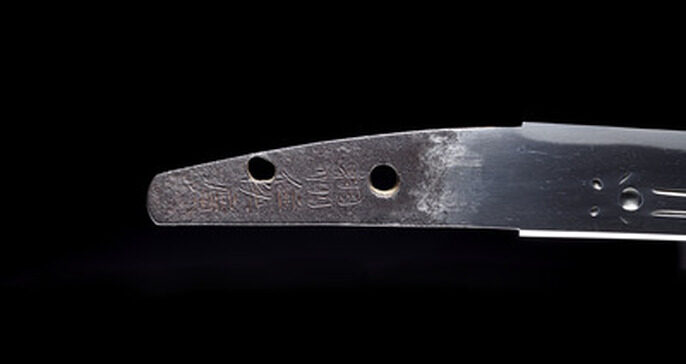 Bibliography and credits
Sources
The sources consulted on 4 October 2026, with their link, and the credit for each image.