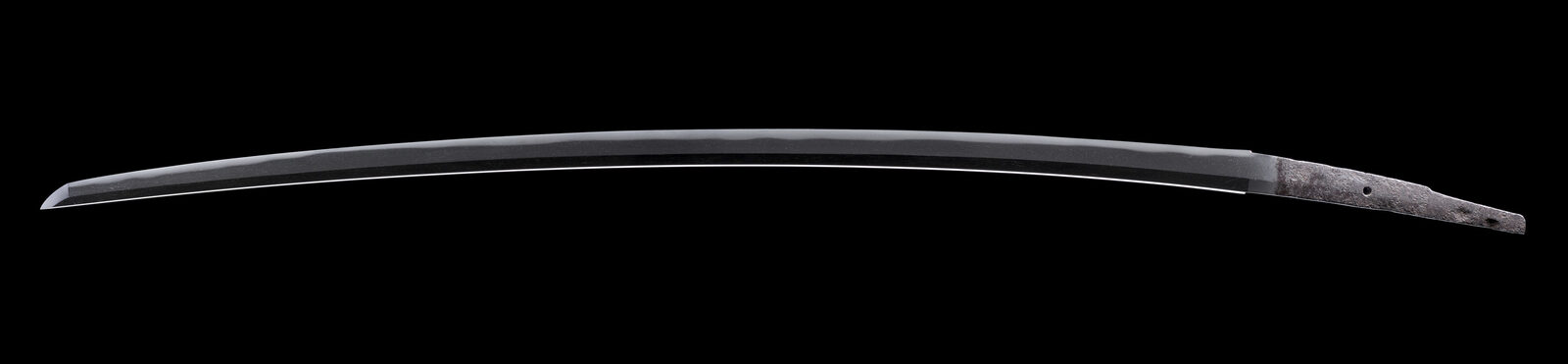
The 菊御作 (kiku gosaku) tachi
- Tachi with a chrysanthemum for a signature, 太刀 銘(菊紋)菊御作 (tachi mei kikumon kiku gosaku), of the Kyoto National Museum: an Important Cultural Property (重要文化財, jūyō bunkazai) since 29 August 1950, from the Kamakura period.
- The museum presents it as a sword by Go-Toba: it is an attribution of the tradition, not proven.
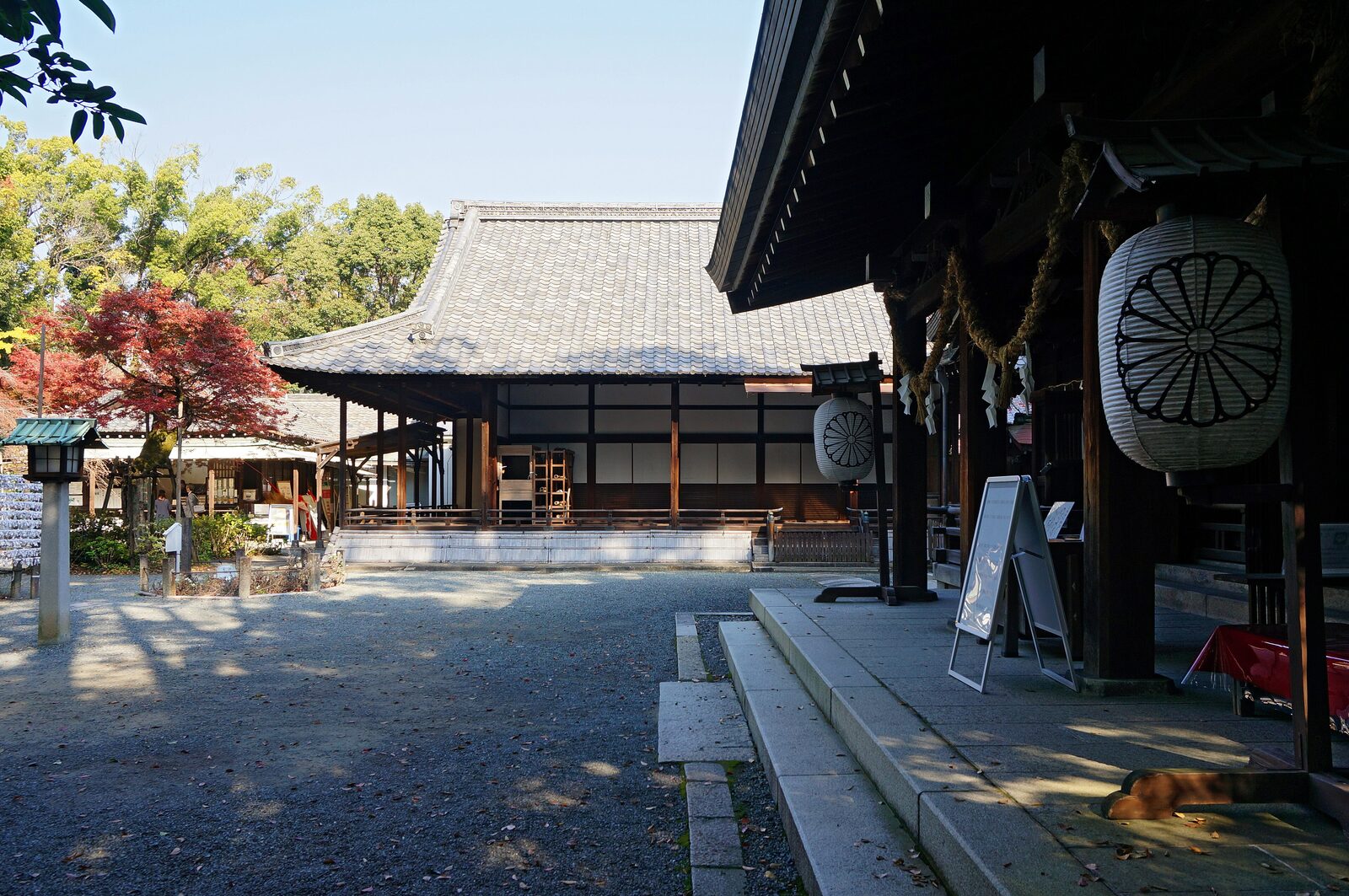
The treasures of Minase
The Minase shrine, in Shimamoto (Osaka), stands on the site of the Minase palace and venerates Go-Toba. It keeps two National Treasures that are not swords: his portrait in colour on paper, 紙本著色後鳥羽天皇像 (shihon chakushoku Go-Toba tennō zō), attributed to Fujiwara no Nobuzane, and his testament with the prints of his hands, 後鳥羽天皇宸翰御手印置文 (Go-Toba tennō shinkan otein okibumi), of 1239.
Other traces
- In one version of the 太平記 (Taiheiki), the Tenshō one, Kusunoki Masashige gives his son Masatsura a “菊御作 (kiku gosaku)” sword when they part at Sakurai. The Japanese Wikipedia warns that the episode is considered fiction.
- In 1935 the Dai Nihon Tōshō Kyōkai revived the rotations with twenty-four smiths.
- The NBTHK journal (issue 721, 2017) recalls Go-Toba's gesture of putting a chrysanthemum on the tang as a precedent for a daimyō of the end of the shogunate who put the hollyhock crest on his own.
Gallery
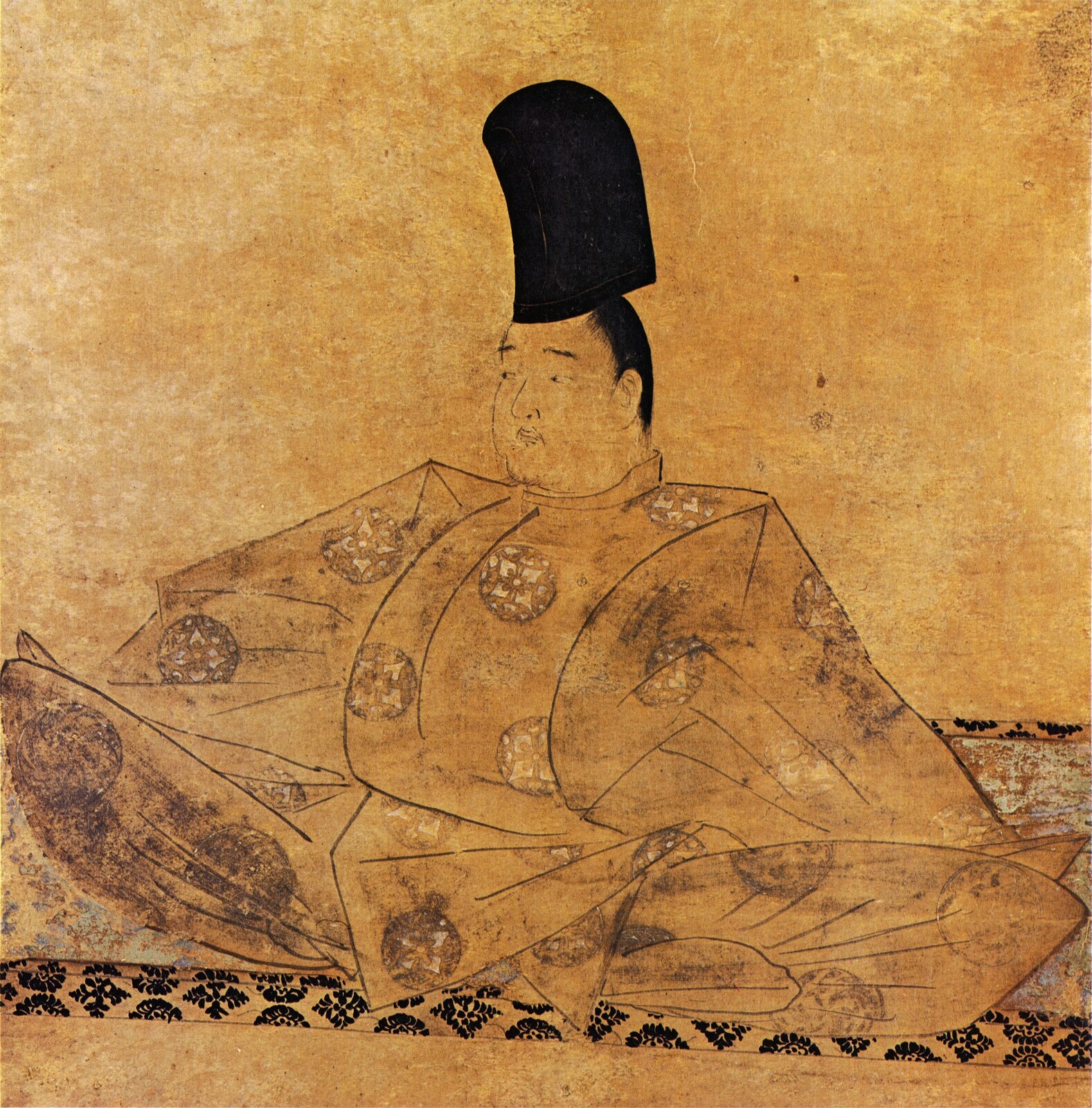
The portrait of Go-Toba attributed to 藤原信実 (Fujiwara no Nobuzane), a National Treasure of the Minase shrine. 藤原信実 (Fujiwara no Nobuzane), via Wikimedia Commons · Public domain · source 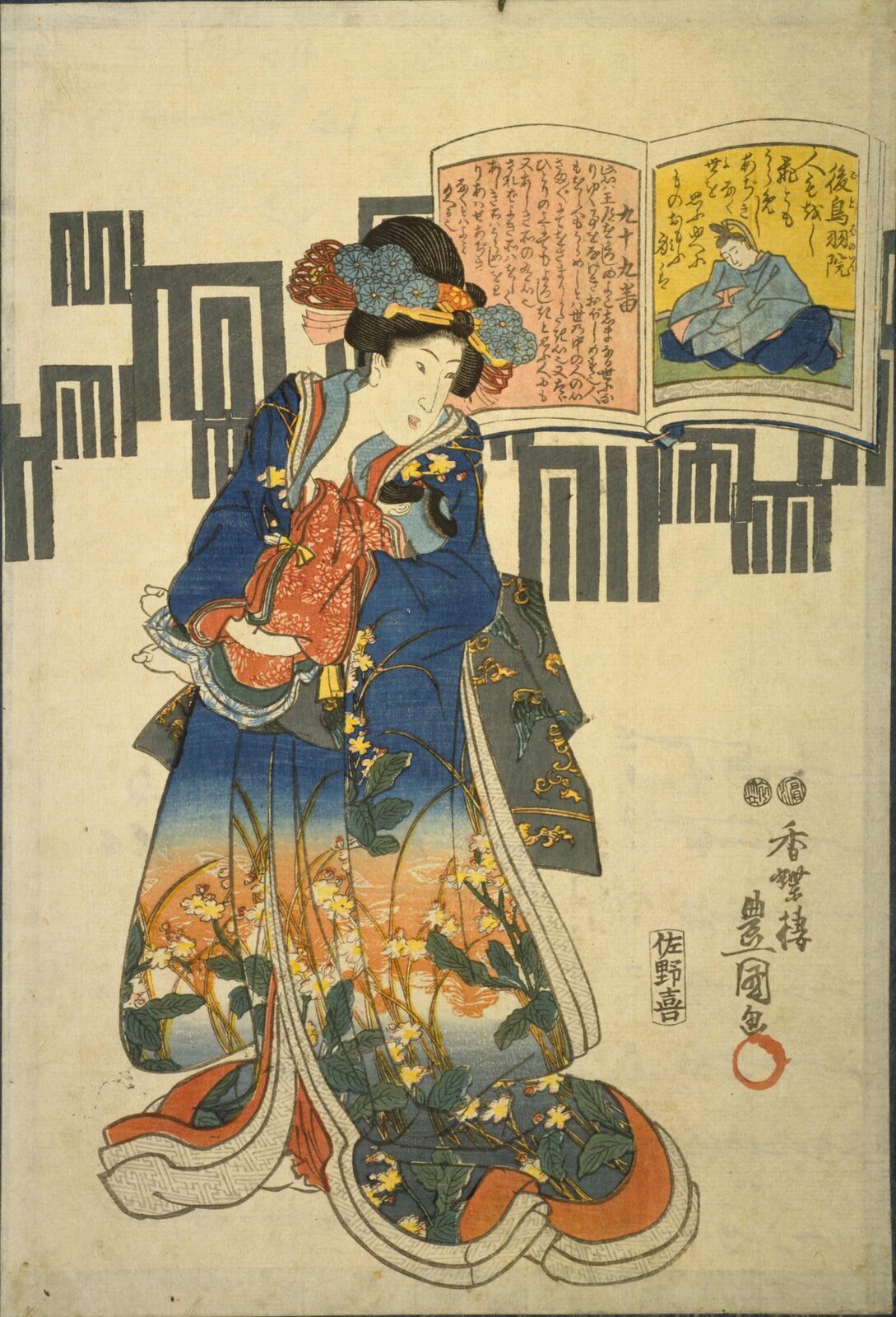
Poem no. 99 of the Hyakunin isshu, the one by Gotoba-in, in a print by Utagawa Kunisada. 歌川国貞 (Utagawa Kunisada), National Diet Library, via Wikimedia Commons · Public domain · source

