On this page
Quick profile
- Name
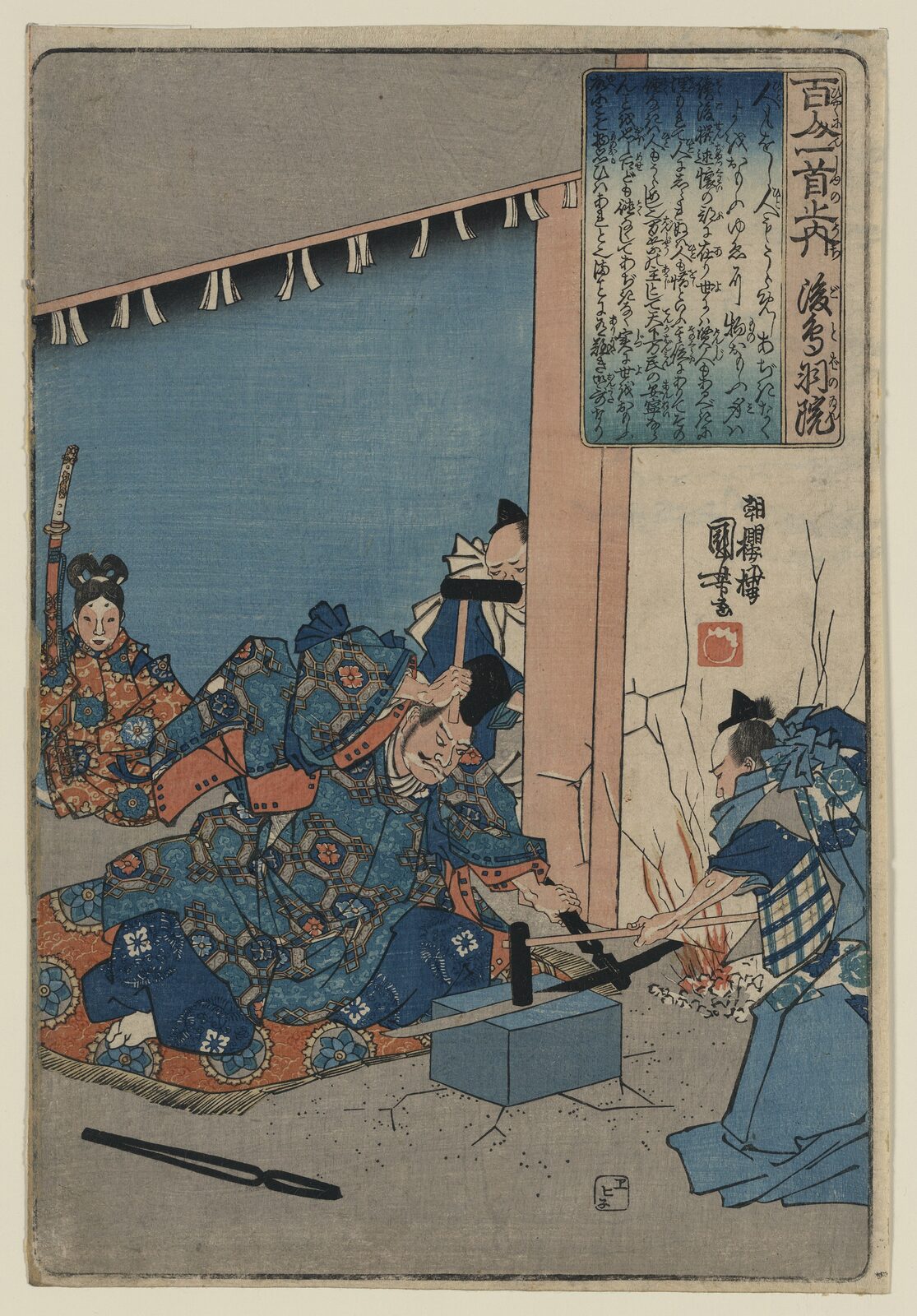
- Gotoba-in, the retired emperor Go-Toba; personal name 尊成 (Takahira or Takanari). In 1239 he received the posthumous name Kentoku-in, which was changed to Gotoba-in in 1242 HD
- Kanji and reading
- 後鳥羽院 (Gotoba-in) · 後鳥羽天皇 (Go-Toba tennō) HD
- Period
- End of the Heian and beginning of the Kamakura; he reigned from 1183 to 1198 and went on ruling as retired emperor until 1221 HD
- Where
- The court of Kyoto and his palace at 水無瀬 (Minase); from 1221, in exile at Nakanoshima, today Ama, in the Oki islands HD
- School
- None: he was not a smith by trade. The smiths on his list came from Bizen (Ichimonji), from Bitchū (Aoe) and from Awataguchi, in Kyoto AT
- Masters
- According to tradition, he learned the craft from Awataguchi Hisakuni and from Bizen Nobufusa AT
- Documented fact and tradition
- Documented: his reign, the rebellion of 1221 and the exile. Tradition: that he tempered blades and gathered the rotating smiths; the treatises that tell it date from centuries later. AT
In short
What we know. Go-Toba reigned from 1183 to 1198, then ruled as retired emperor, rose against the Kamakura regent in 1221, lost and died in exile in the Oki islands in 1239. The Kyoto National Museum holds a tachi with a chrysanthemum on the tang, the 菊御作 (kiku gosaku), an Important Cultural Property since 1950.
How we know it. The forging comes from much later sword treatises: the list of the twelve rotating smiths is in the treatise Kanchi'in-bon Meizukushi, whose oldest copy dates from the 30th year of Ōei, 1423, almost two centuries after his death.
What we do not know. No document from his time proves that he tempered blades with his own hands, nor that the Kyoto tachi is his work: the museum presents it as his by tradition.
Sections
-
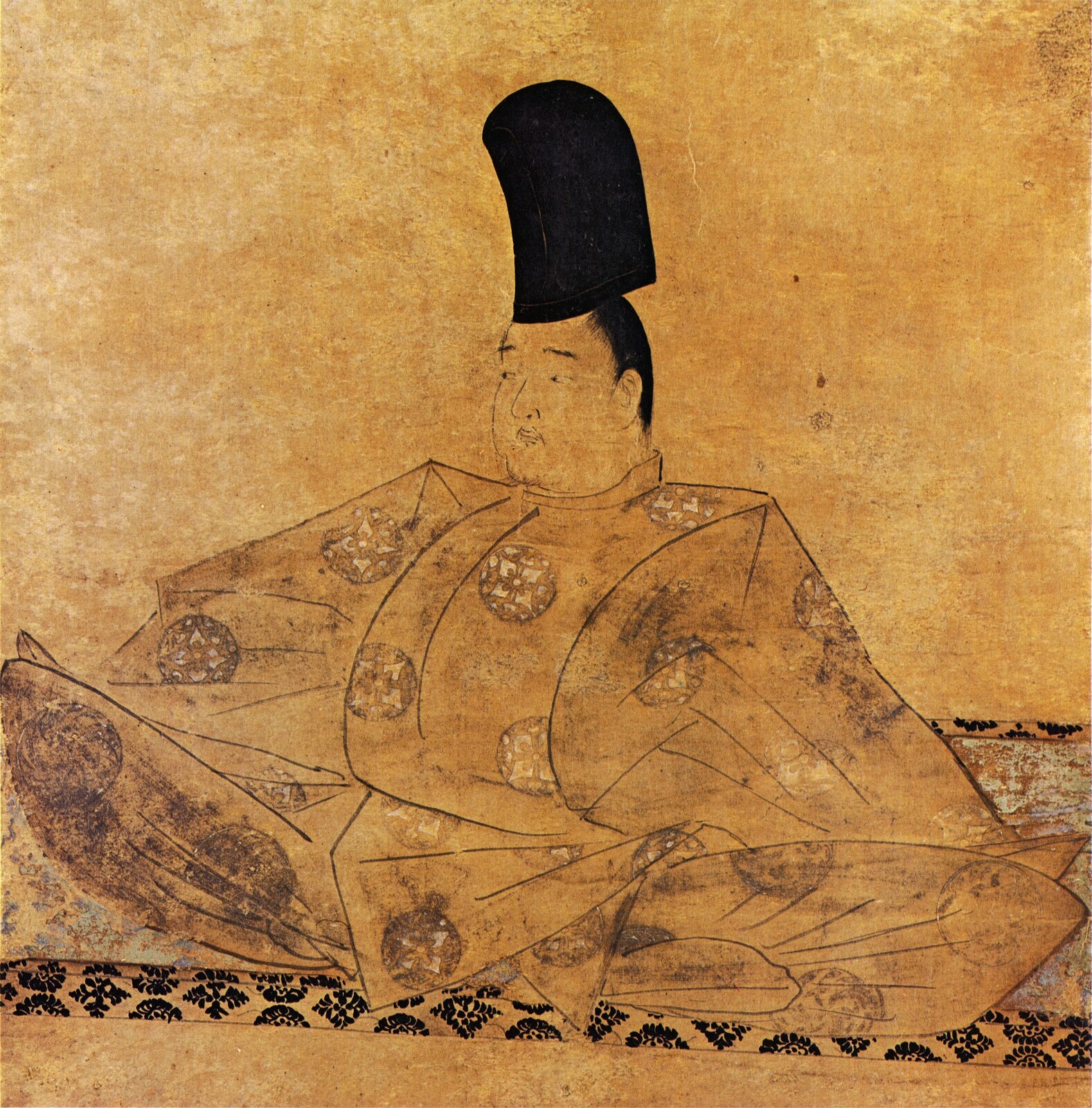 Kusanagi no tsurugi · Minase · Jōkyū · Oki
Life and times
An emperor without the sacred sword, the rotating smiths of Minase, the rebellion of 1221 and the exile.
-
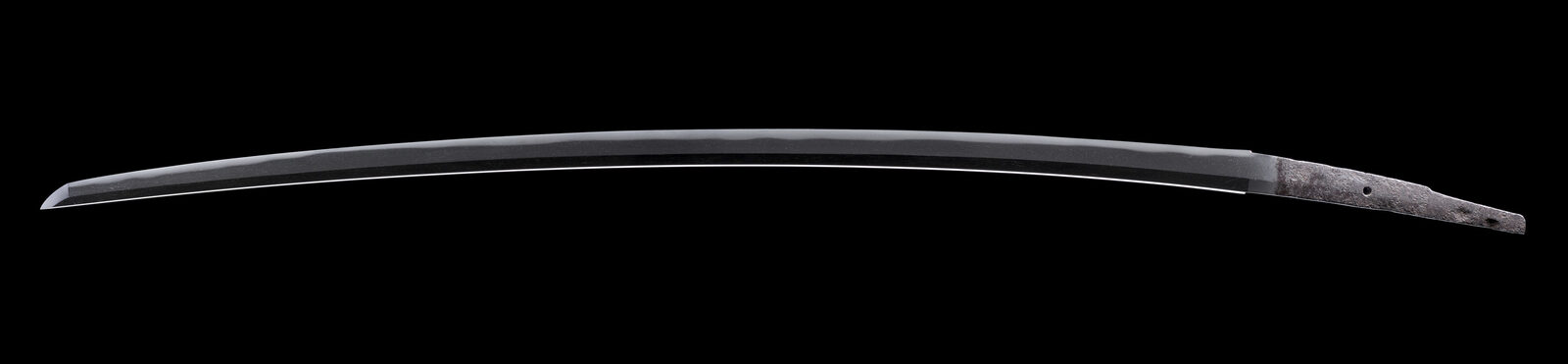 Kiku gosaku · kiku-ichimonji
Work and style
What is called kiku gosaku, what the only tachi with an official record is like and why attributions are not made by the legend.
-
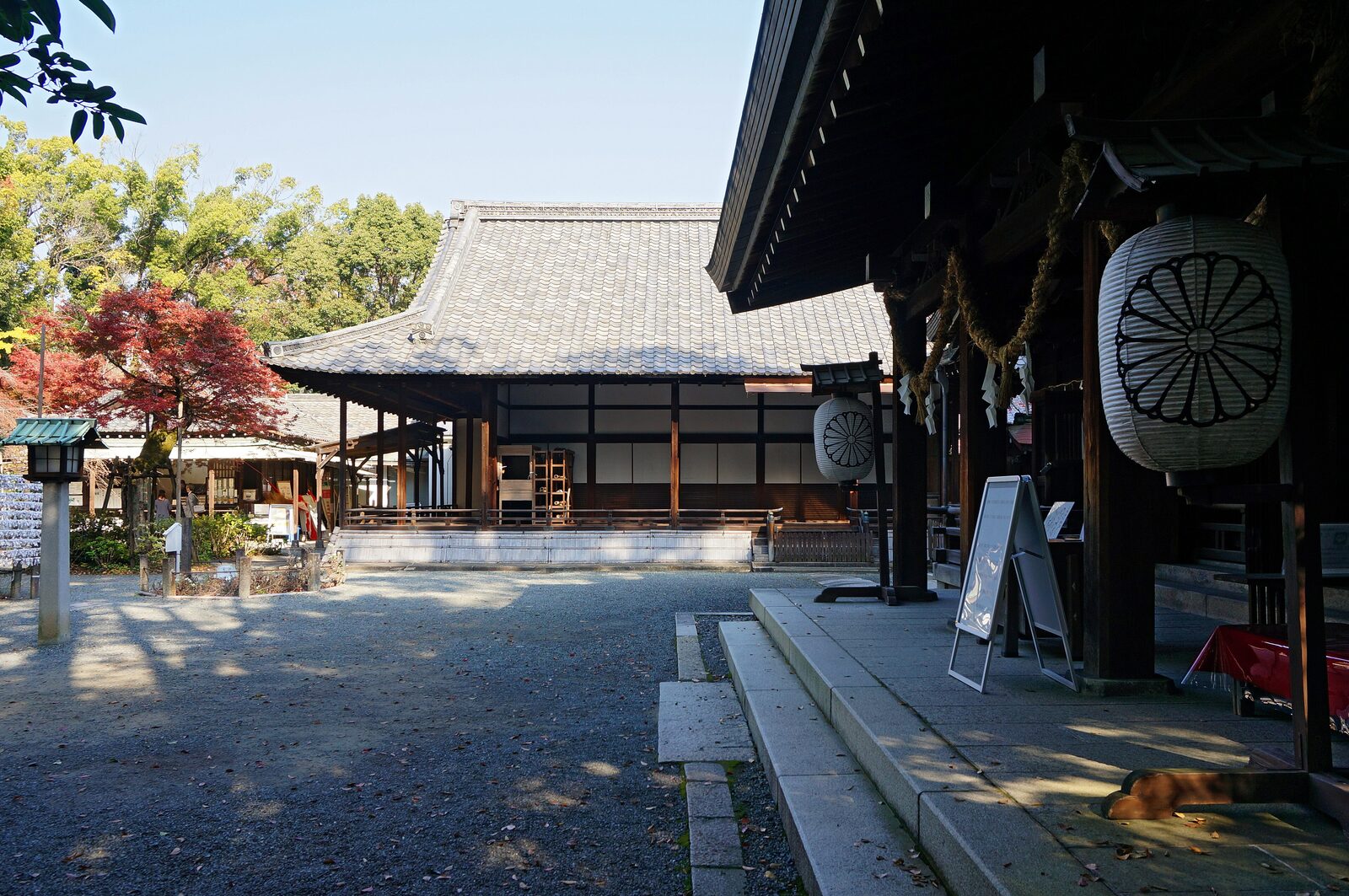 Important Cultural Property · treasures of Minase
Famous works
The tachi of the Kyoto National Museum, the National Treasures of Minase and the sword of the Sakurai legend.
-
 Outreach
Videos
An interview about Go-Toba and the rotating smiths and a short video of a tachi with a chrysanthemum.
-
 Bibliography and credits
Sources
The sources consulted on 4 October 2026, with their link, and the credit for each image.