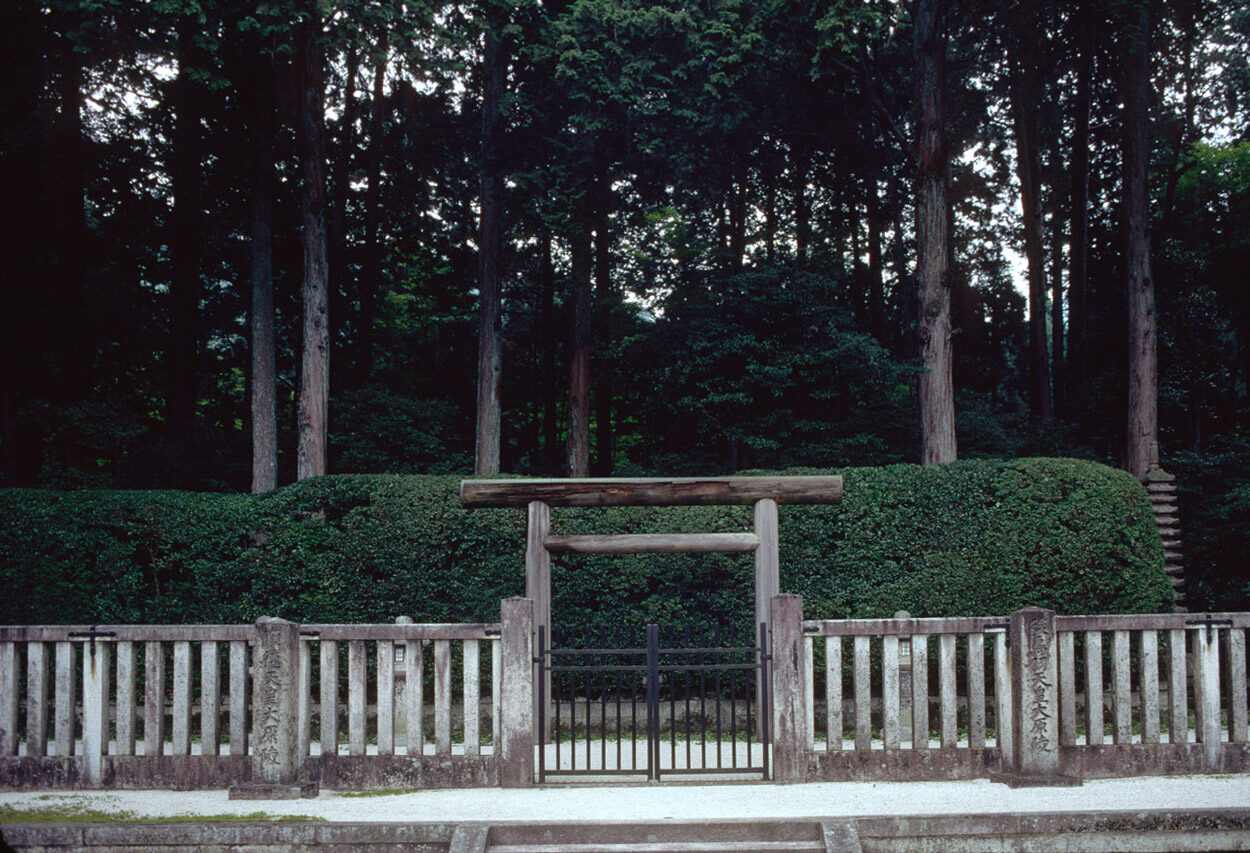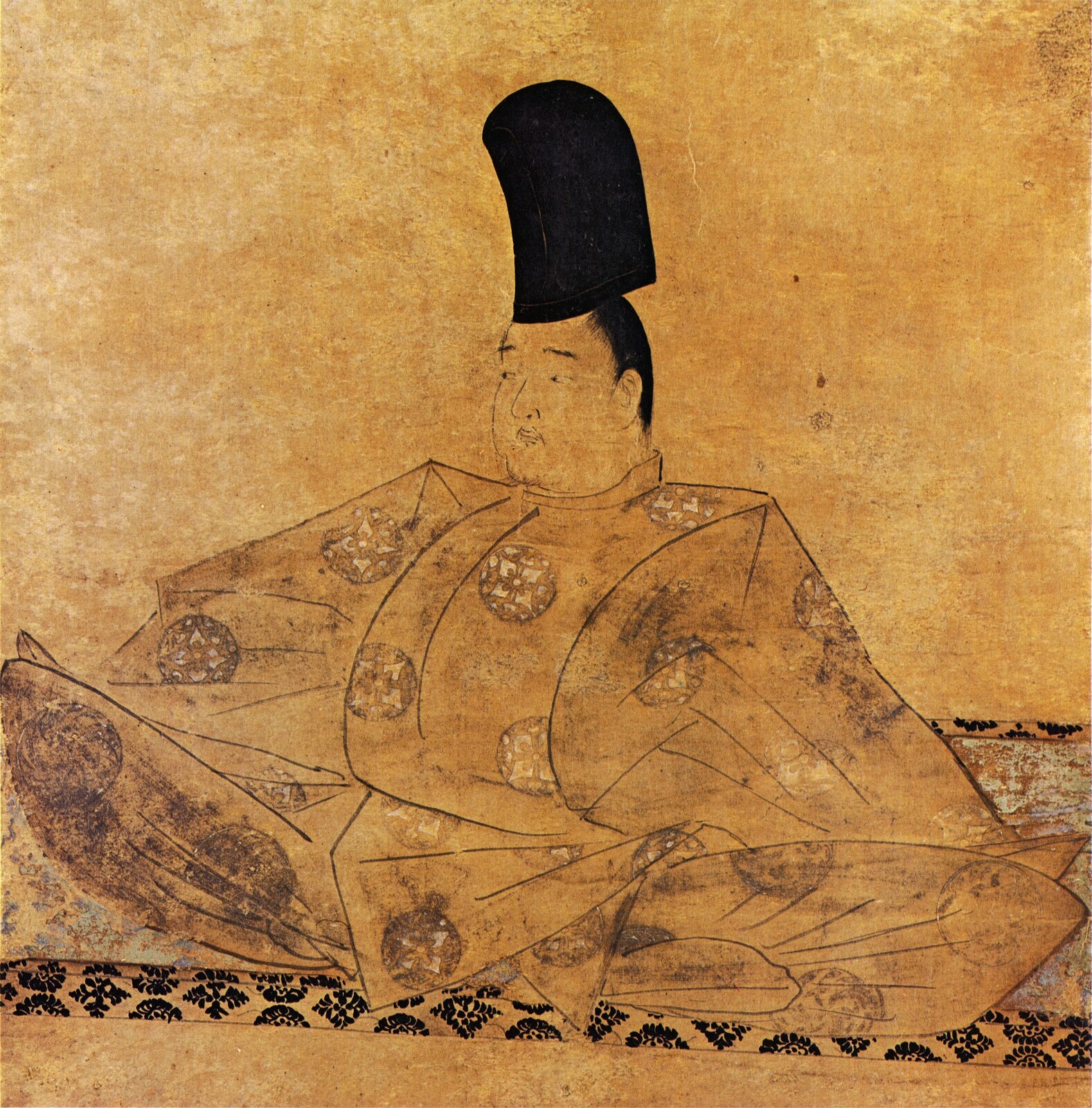
The emperor without a sword
- He was born on 6 August 1180, the fourth son of Emperor Takakura and grandson of Go-Shirakawa.
- He came to the throne in 1183, aged four, while his half-brother Antoku fled with the Heike court and took the three regalia with him. He reigned without the sword 草薙剣 (Kusanagi no tsurugi), which was lost for ever at the battle of Dan-no-ura, in 1185.
- The Japanese Wikipedia records that this lack weighed on him and may have influenced his policy; it is an interpretation by historians, not a documented fact.
- He left the throne in 1198 and went on ruling as retired emperor. He is also famous as a poet and for the anthology 新古今和歌集 (Shin Kokin wakashū).
The rotating smiths
According to tradition, he enjoyed forging: in 1208 he summoned twelve smiths from several provinces, one per month, to his palace at Minase, starting with Norimune, of the Ichimonji school of Bizen. The list recorded by the Japanese Wikipedia is this one:
| Month | Swordsmith | Province |
|---|---|---|
| 1st | Norimune | Bizen |
| 2nd | Sadatsugu | Bitchū |
| 3rd | Nobufusa | Bizen |
| 4th | Kuniyasu | Awataguchi (Kyoto) |
| 5th | Tsunetsugu | Bitchū |
| 6th | Kunitomo | Awataguchi (Kyoto) |
| 7th | Munekichi | Bizen |
| 8th | Tsuguie | Bitchū |
| 9th | Sukemune | Bizen |
| 10th | Yukikuni | Bizen |
| 11th | Sukenari | Bizen |
| 12th | Sukenobu | Bizen |
- Markus Sesko relates that this list, with twelve magistrates alongside the twelve smiths, is in the Kanchi'in-bon Meizukushi, and that it varies from one treatise to another. The workshop was called onba-dokoro, there were two polishers all year round and each smith received ceremonial robes and charcoal. Go-Toba was not yet thirty.
- According to Sesko, the oldest copy of the Kanchi'in-bon dates from the 30th year of Ōei. That year is 1423; Sesko writes 1431.
- There is another list, of twenty-four smiths, and a third of six who supposedly worked for him in exile.
- The same Wikipedia says that the emperor learned the craft from Awataguchi Hisakuni, of Kyoto, and from Nobufusa, of Bizen.

Jōkyū and the exile
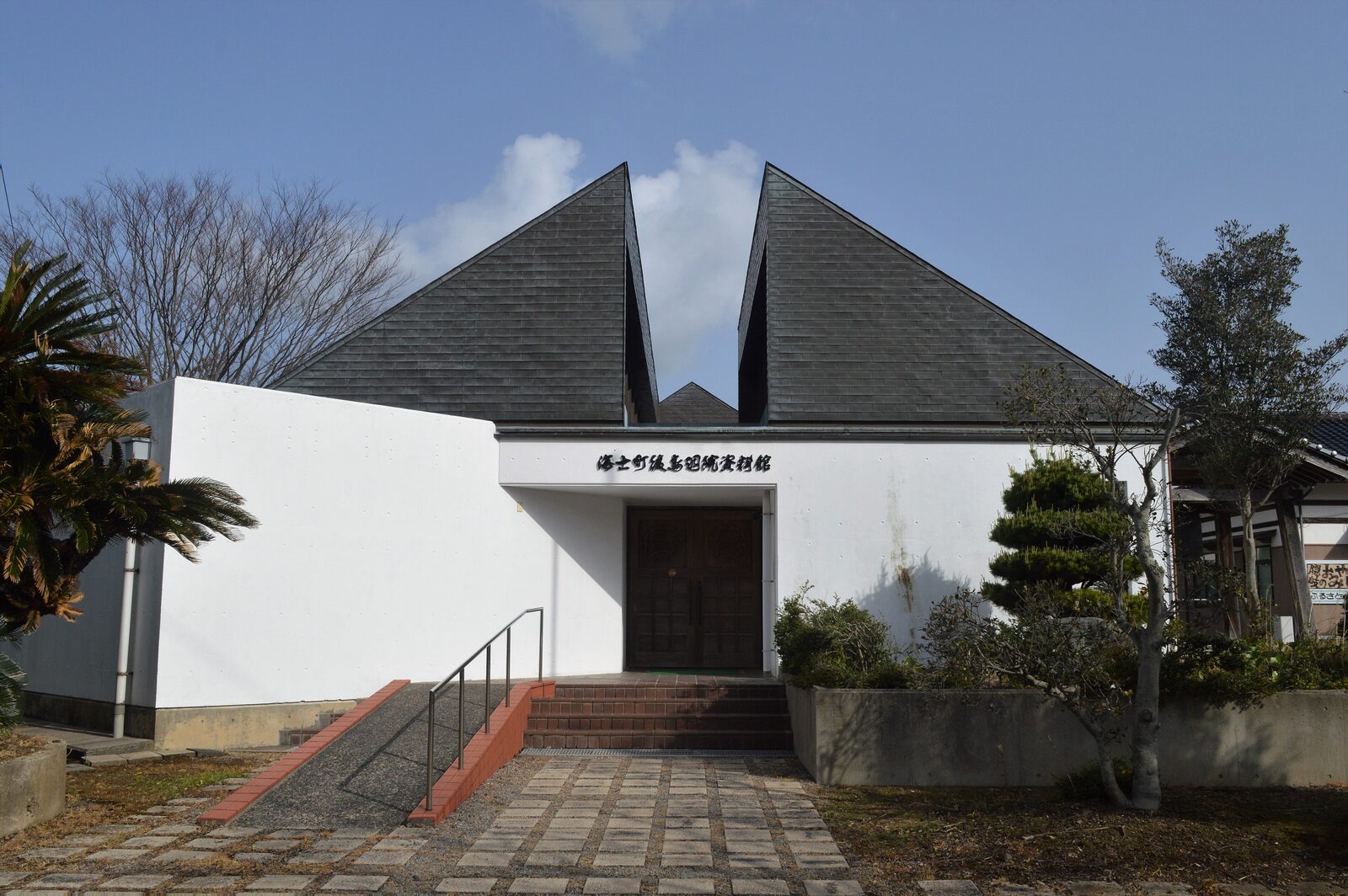
- In 1221 he rose against the Kamakura regent, Hōjō Yoshitoki: this is the 承久 (Jōkyū) war. He lost it in two months and was exiled to Nakanoshima, today Ama, in the Oki islands, where he died on 28 March 1239.
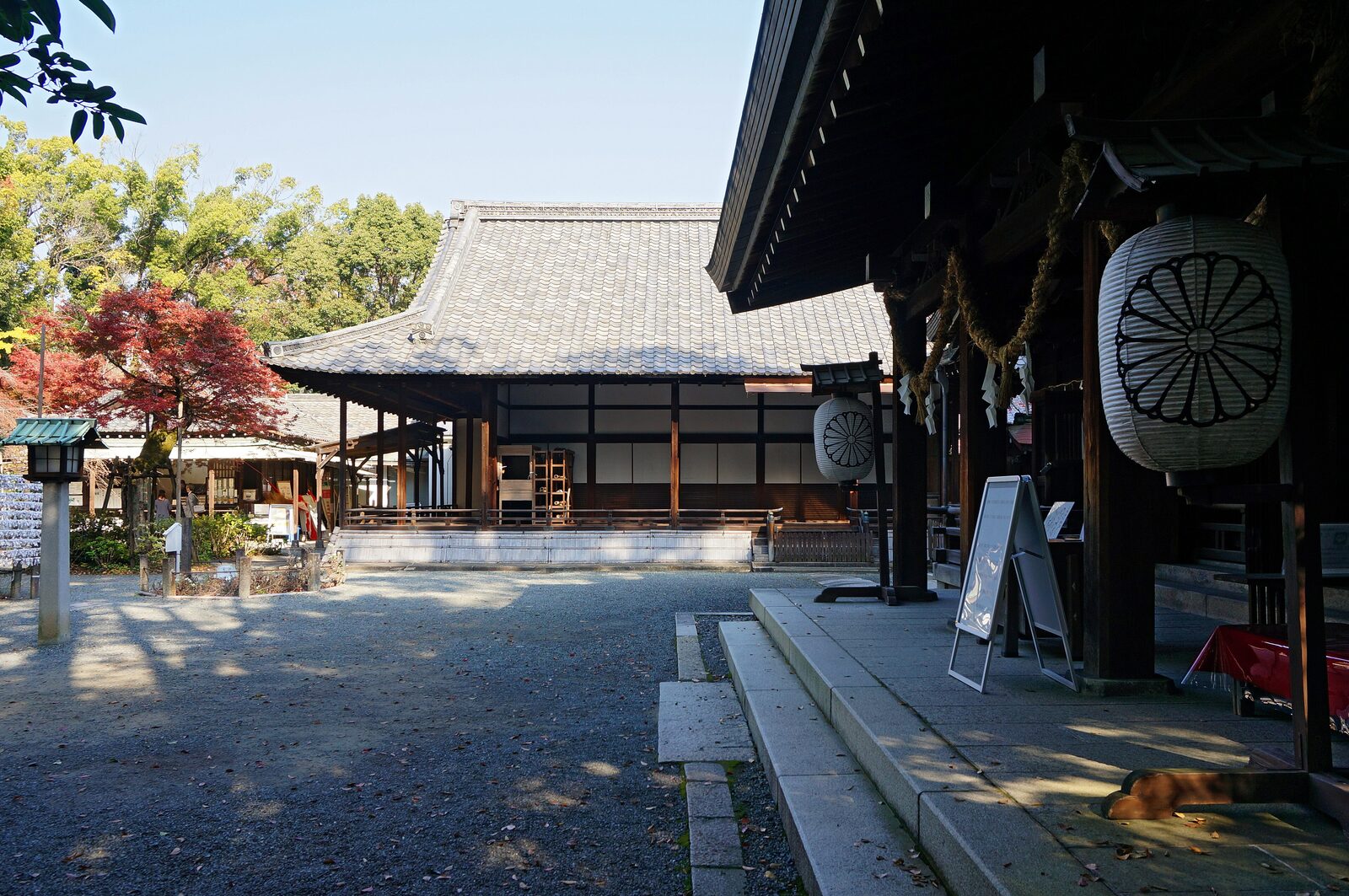
- Thirteen days before his death he wrote his testament on Oki with the prints of his hands, today a National Treasure of the Minase shrine.
- In 1239 he received the posthumous name Kentoku-in, which was changed to Gotoba-in in 1242.

The Oki list
One treatise, the Keizu hidanshō, gives a list of smiths who supposedly forged for him in exile; the Japanese Wikipedia records it and says that the regent sent him six. Sesko explains that this list appears in no document earlier than the Muromachi period and that most historians consider it invented, because the Kamakura government watched him closely.
The English translations of two issues of the NBTHK journal (nos. 738 and 810) say that the rotating smiths worked with him “in his exile”. The Japanese Wikipedia and Sesko place the rotations at Minase, in 1208, before the war: the Oki list is the doubtful one. Most probably it is an error of the translation.