On this page
Quick profile
- Name
- Masamune; also Gorō Nyūdō, Okazaki Masamune and Okazaki Gorō Nyūdō AT
- Kanji and reading
- 正宗 (Masamune) · 五郎入道正宗 (Gorō Nyūdō Masamune) · 岡崎五郎入道正宗 (Okazaki Gorō Nyūdō Masamune) AT
- Period
- From the end of the Kamakura to the beginning of the Nanbokuchō, from the end of the 13th century to the beginning of the 14th: on that there is no dispute. His dates of birth and death are not known; those of 1264 and 1343 come from an Edo-period treatise. AT
- Province
- Sagami: Kamakura AT
- School or tradition
- Sōshū-den, one of the five traditions (五箇伝, gokaden), of which he is the representative swordsmith AT
- Master and generations
- The Meizukushi treatise gives him as a pupil of Shintōgo Kunimitsu. His relationship with Yukimitsu is disputed; Sadamune is taken to be his son or his adopted son. AT
- Documented fact and tradition
- Documented: his name in the Meizukushi, a few signed tantō and his blades with an official record. Tradition: almost all of his biography, the “ten pupils” and his encounters with Muramasa. AT
In short
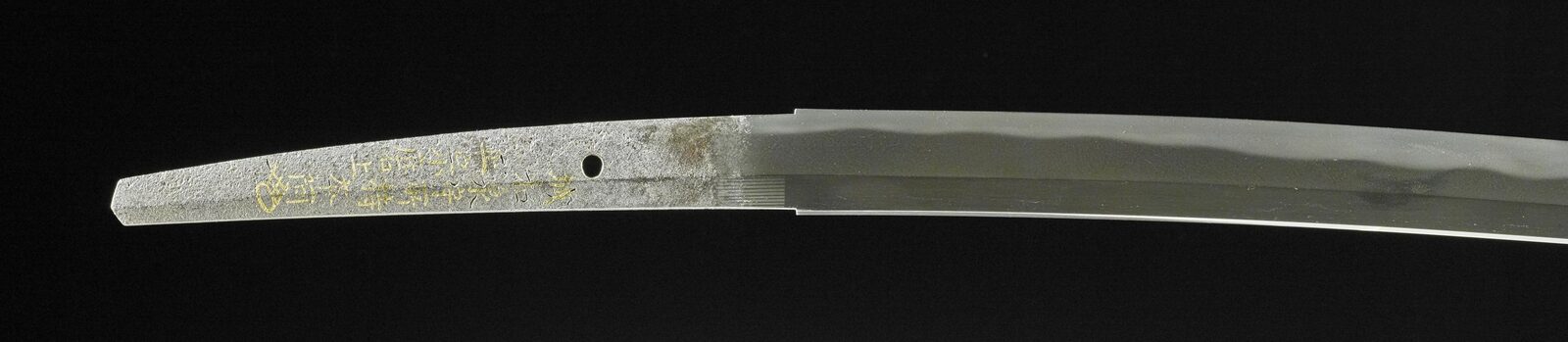
What we know. That his name is in the Meizukushi, the oldest sword-appraisal treatise. That there are tantō with his signature, such as the Fudō Masamune at the Tokugawa Art Museum. The Kyōhō meibutsuchō of 1719 gives him 59 blades, the highest count for a swordsmith.
How we know it. From the official records of the Agency for Cultural Affairs and of the Tokyo National Museum. His life, from Wikipedia and from the Japanese encyclopaedias collected by Kotobank.
What we do not know. When he was born and died, who his pupils really were, and how many of the unsigned blades attributed to him are his.
Sections
-
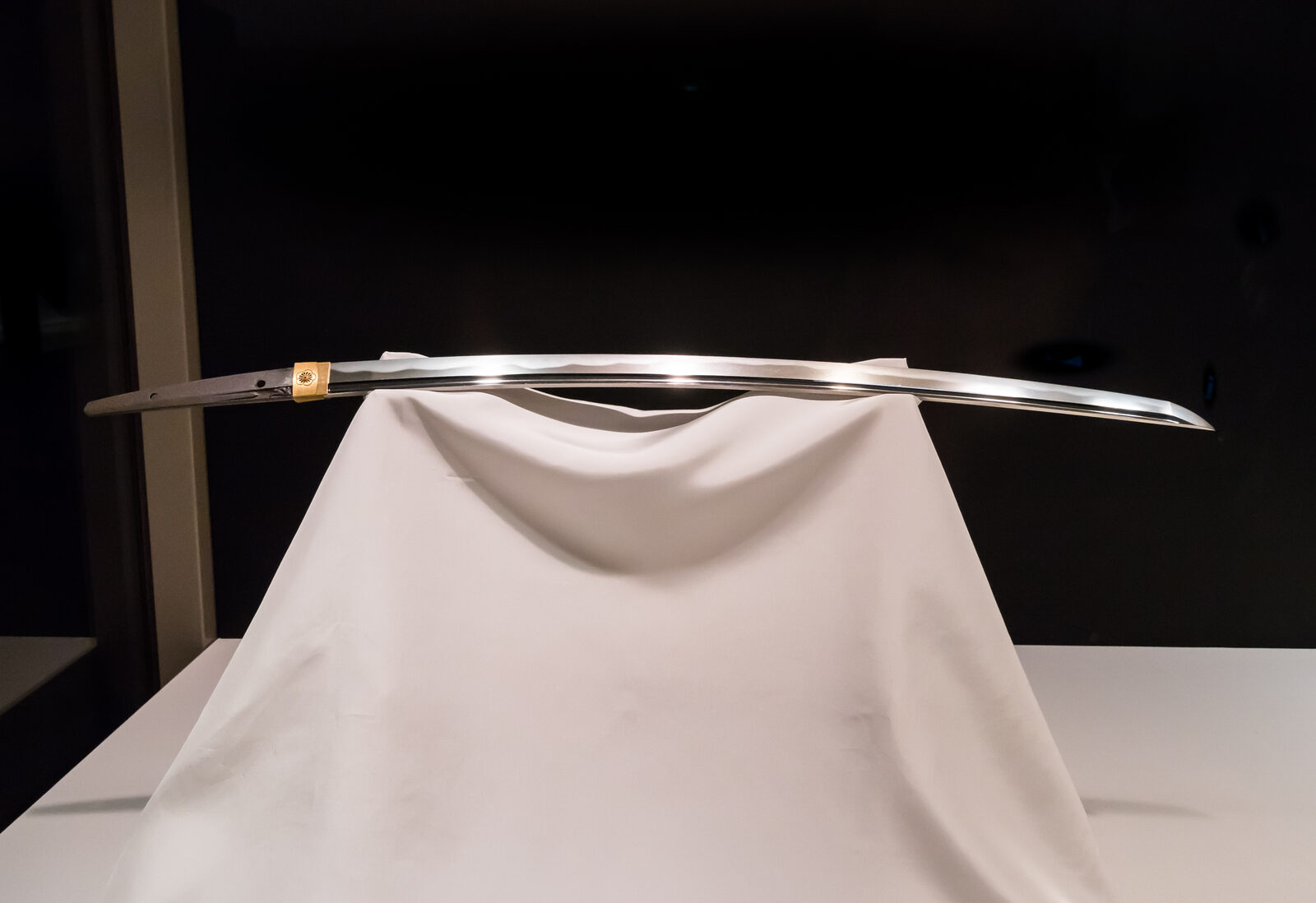
 Meizukushi · Shintōgo Kunimitsu · legends
Life and times
What the old treatises say, his dates, his master and his family, the “ten pupils” and the legends.
-
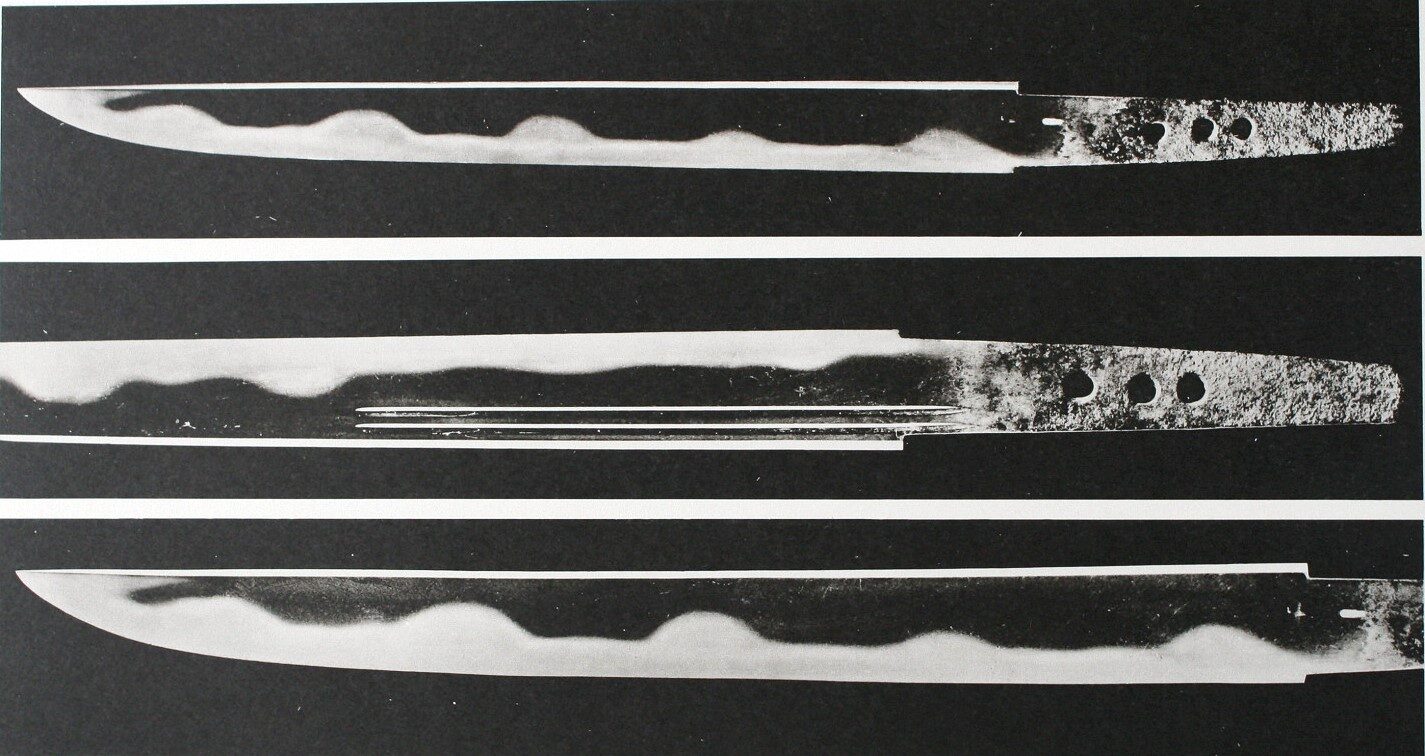
 Notare · nie · kinzōgan-mei
Work and style
The kantei keys of his blades, the official records of four of them and his signature.
-
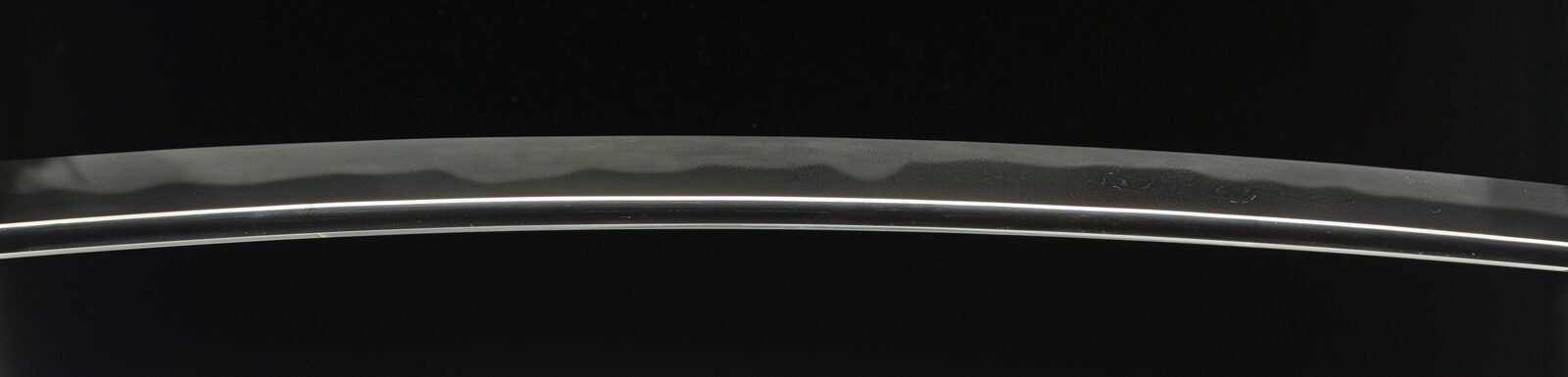
 Kokuhō · meibutsu · Tenka sansaku
Famous works
His nine National Treasures, his Important Cultural Properties, the lost blades and his place in the Kyōhō meibutsuchō.
-
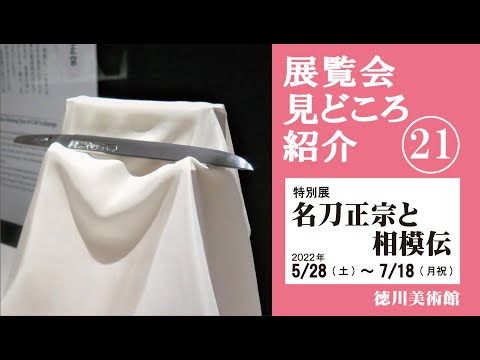 Masamune exhibitions
Videos
Four videos: the Tokugawa Art Museum exhibition of 2022, the Fukuyama one of 2024 and the Tsugaru Masamune in Tokyo.
- Bibliography and credits Sources The sources consulted on 4 October 2026, with their link, and the credit for each image.