On this page
Kantei keys
- Sugata
- The katana that survive were tachi greatly shortened much later (ō-suriage). The tachi has two sugata: one slender and another wide and robust, with a somewhat long kissaki, already towards the Nanbokuchō. The tantō is of normal size, with little or no sori (muzori or uchizori); those of his maturity reach about 25 cm. AT
- Jihada
- Hard and soft steel combined in a jigane of his own: itame with many chikei. In the Nakatsukasa Masamune, a somewhat standing-out itame, with thick ji-nie, chikei and yubashiri. AT
- Hamon
- Notare (湾れ, notare) and gunome-midare, seeking the beauty of nie (ara-nie, naka-nie, ko-nie), with abundant yubashiri, sunagashi, kinsuji and inazuma. The English Wikipedia adds a ko-midare in some blades, in the manner of the Ko-Bizen and of Hōki. His early tantō have a ko-nie suguha in the manner of Shintōgo Kunimitsu. AT
- Bōshi
- Notare-komi with yaki-zume and a slight hakikake (Nakatsukasa); midare-komi (Fudō); tsukiage (Hōchō of the Eisei Bunko); somewhat long komaru (Hyūga). In the early tantō, komaru. HD
- Nakago
- In his maturity, boat-shaped (funagata), clean and with good rust. Three shapes of tip: furisode in an early tantō, kuri-jiri in the Hōchō of the Eisei Bunko and kenkata in the Hōchō of the Tokugawa Art Museum and of Osaka. AT
- Mei
- The signed tantō bear 正宗 (Masamune) in two characters; the Daikoku Masamune, 正宗作 (Masamune saku), in three. Of the long blades, only the Kinoshita Masamune, Important Art Object since 1935, is accepted as signed, and its signature is very worn. The gold inscriptions of the Hon'ami (金象嵌銘, kinzōgan-mei) are later appraisals, not signatures of his. AT
- Horimono
- They were carved by Daishinbō Yūkei (大進坊祐慶, Daishinbō Yūkei), third son of Shintōgo Kunimitsu: bonji, suken, tsume and goma-bashi. The Fudō Masamune bears a Fudō in relief on the omote face and goma-bashi on the ura. AT
Four official records
- Nakatsukasa Masamune (katana, 67.0 cm): shinogi-zukuri, iori-mune, shallow sori, somewhat wide mihaba and somewhat long chū-kissaki; ō-suriage, with kuri-jiri, katte-sagari yasurime and one mekugi-ana; notare hamon with gunome and ko-midare, abundant ashi and yō, intense nie and a deep nioiguchi, with kinsuji and sunagashi; bōhi running through on both faces.
- Hōchō Masamune of the Eisei Bunko (tantō, 21.8 cm): hira-zukuri, iori-mune, very thin kasane and wide mihaba; itame with thick ji-nie and chikei; notare hamon with “mimigata” and “su” on both faces, a clean nioiguchi, ko-nie and kinsuji; nakago ubu.
- Hyūga Masamune (tantō, 24.7 cm): hira-zukuri, mitsu-mune and no sori; very tight ko-itame with chikei, yubashiri and tobiyaki; ko-notare hamon with gunome and tama within the temper. The goma-bashi on the ura face was added, according to the Hoshino-bon of the meibutsuchō, at the taste of Hon'ami Kōtoku.
- Fudō Masamune (signed tantō, 24.9 cm): hira-zukuri, mitsu-mune and uchizori; ko-itame with ji-nie; notare hamon with gunome and sunagashi, and very intense kinsuji and inazuma towards the monouchi; nakago ubu, kenkata, sujichigai yasurime. The Agency for Cultural Affairs says that reliable signatures of Masamune are scarce and that this one is good material.
An explanation of his shape
The Japanese Wikipedia links his wide blades, with little sori, a thin kasane and a long kissaki, to the defence against Mongol armour at the time of the invasions, but gives no specific source: it is an explanation, not a consensus.
A signed “Masamune” is not always his
Markus Sesko relates a letter from the beginning of the 19th century, published in the magazine 刀剣美術 (Tōken Bijutsu) no. 728 of 2017: a tantō signed “Masamune” was first judged not to be sōshū, perhaps from Mihara, and the Hon'ami family declared it a “Mino Masamune”, with a great flaw in the edge, and judged it useless.
The temper, up close
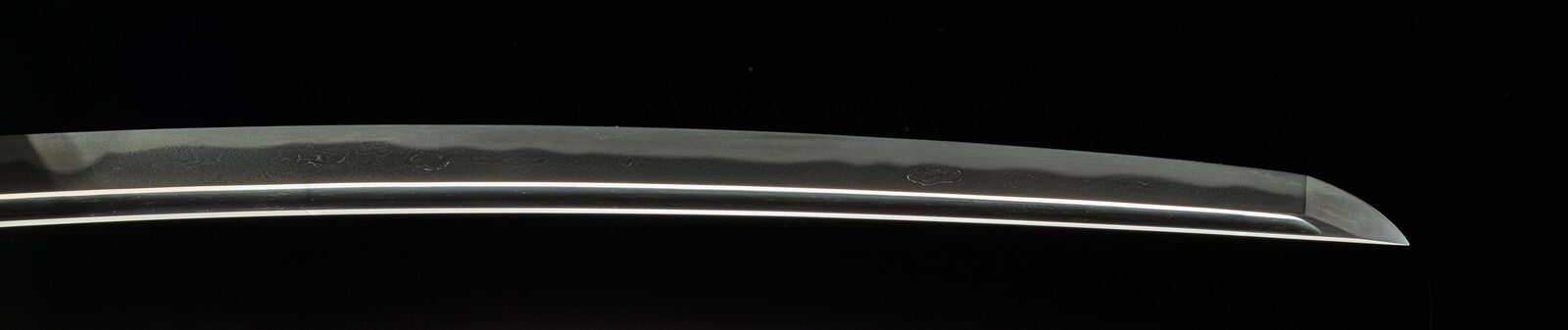
The Kanze Masamune: the point, with the kissaki and the bōshi. Tokyo National Museum, via ColBase · ColBase terms of use · source 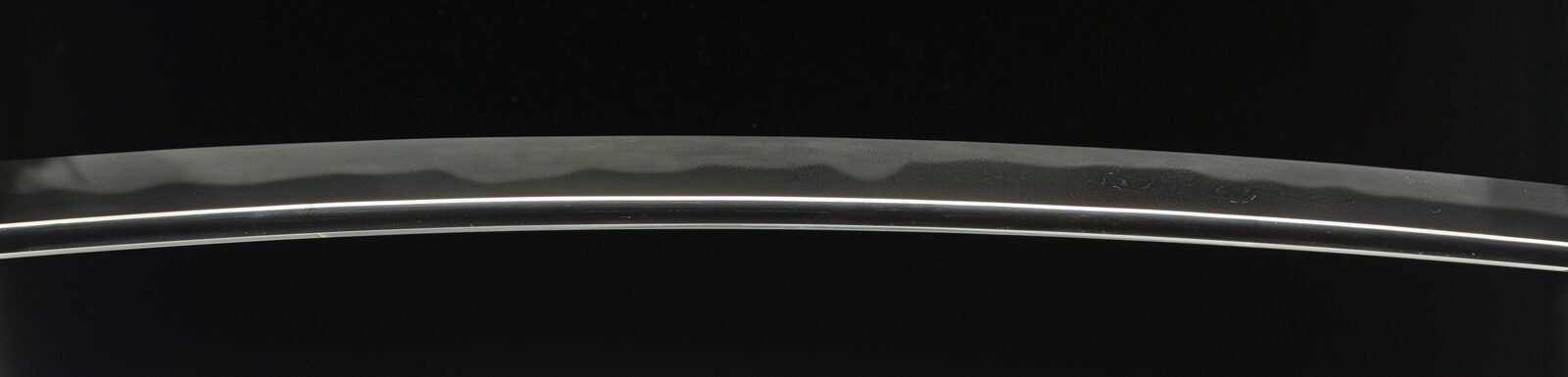
The Kanze Masamune: the notare temper in the middle section. Tokyo National Museum, via ColBase · ColBase terms of use · source 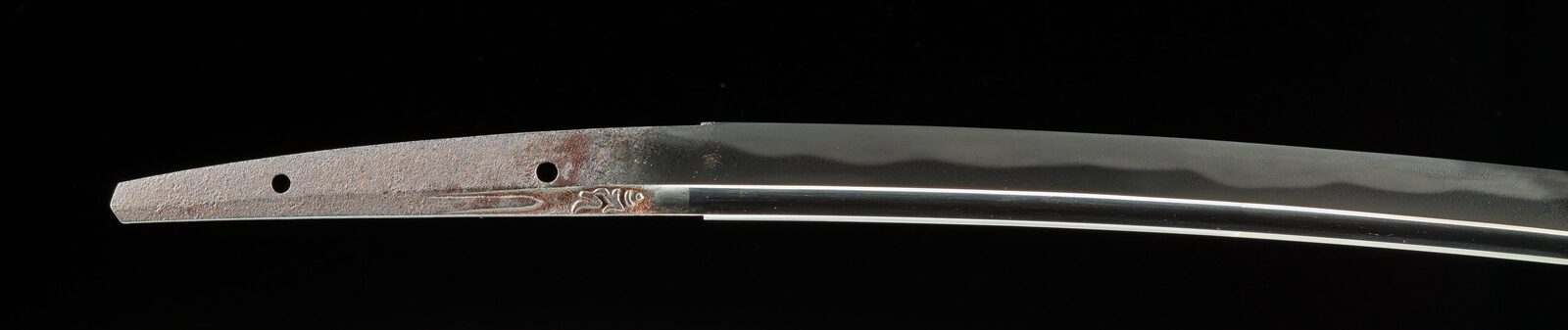
The Kanze Masamune: the base of the blade and the shortened nakago, unsigned. Tokyo National Museum, via ColBase · ColBase terms of use · source 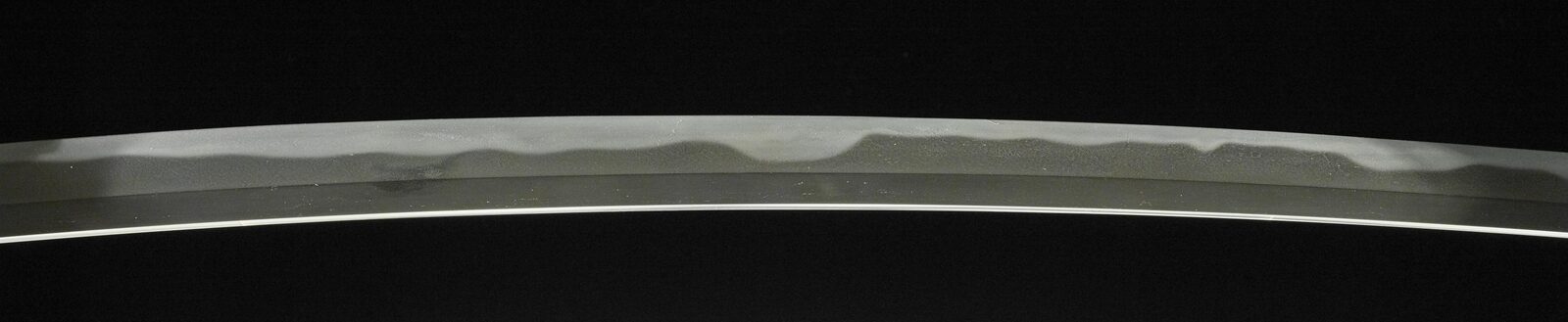
The Tsugaru Masamune: the notare temper with gunome. Tokyo National Museum, via ColBase · ColBase terms of use · source 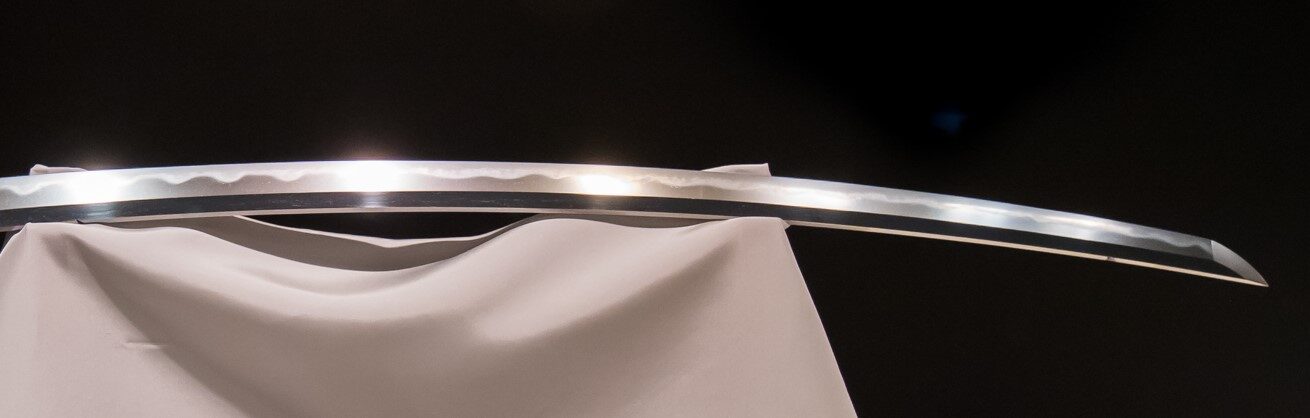
The Ishida Masamune: the notare temper with gunome and nie. Kakidai, CC BY-SA 4.0, via Wikimedia Commons · CC BY-SA 4.0 · source
