On this page
The war
- He was born on 25 January 1925 in Mugegawa, in Gifu Prefecture.
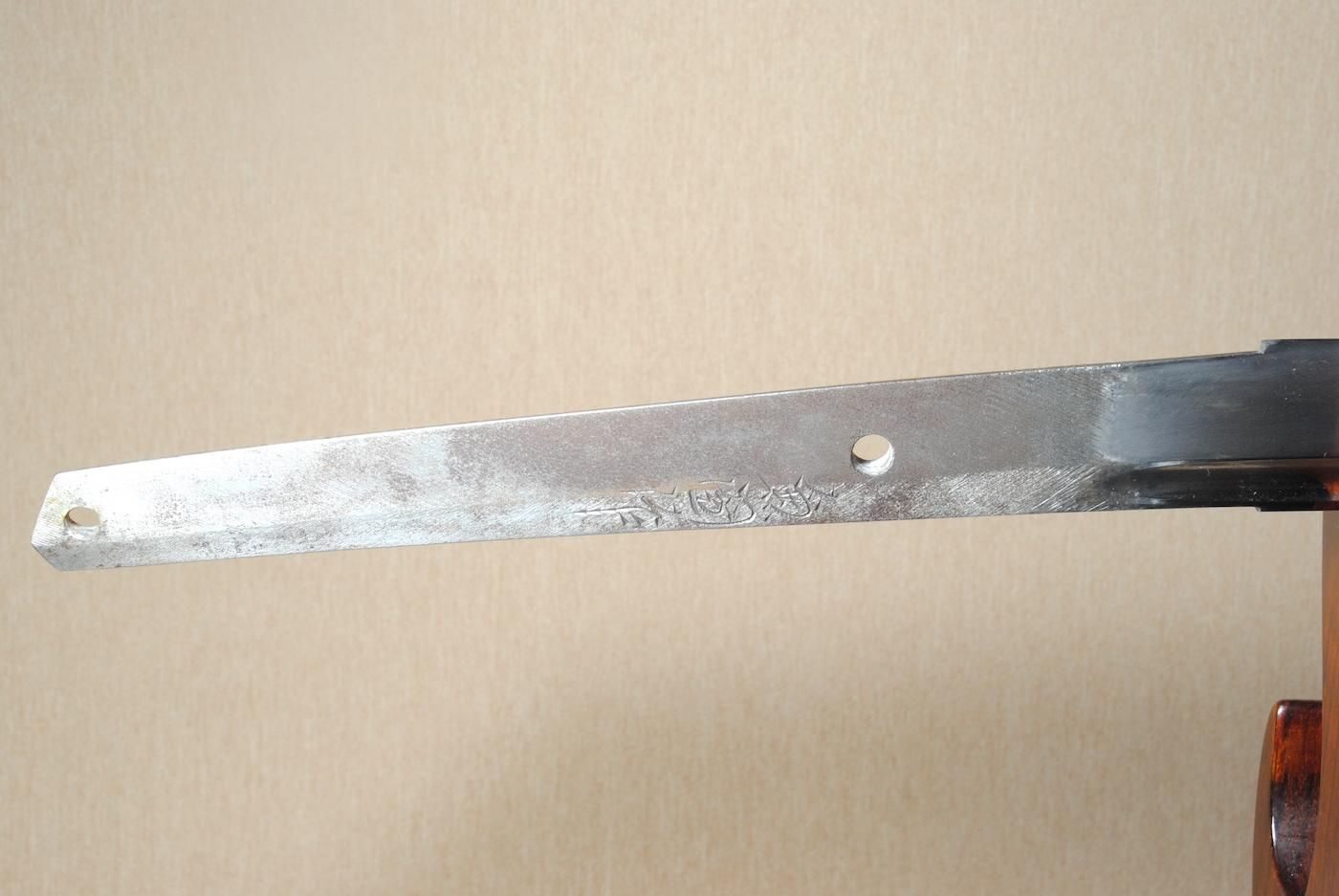
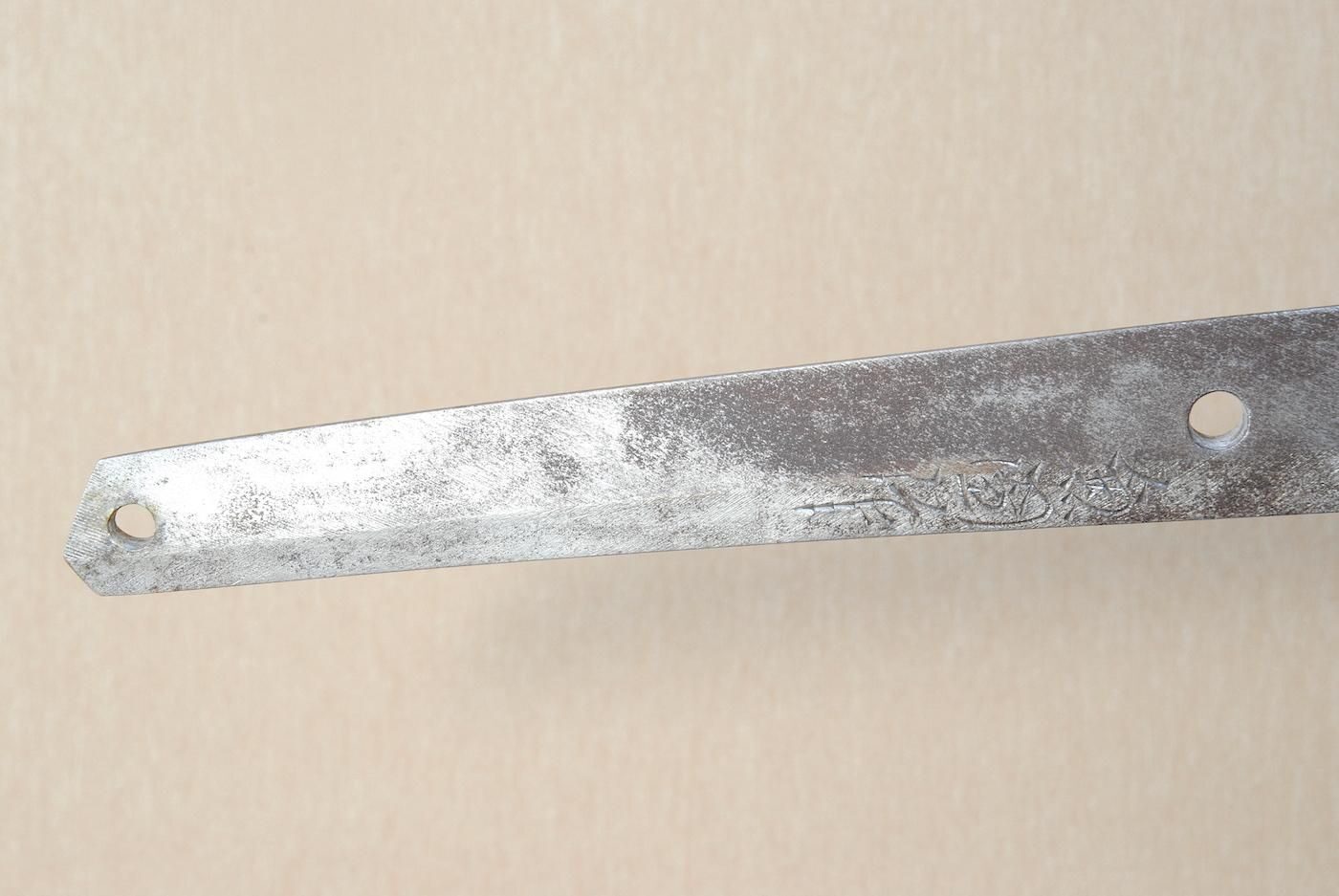
- He began to learn the craft in 1939, at the age of fourteen. In 1943, at eighteen, he was the youngest swordsmith in Japan commissioned by the army (陸軍受命刀匠, rikugun jumei tōshō); he worked in Chiba and signed 圀忠 (Kunitada).
- With the defeat of 1945 and the ban by the occupation authorities he left the forge. His earlier works were lost in the war, and he had no way to prove his craft.
- A single source adds that before the war he learned with a 小川兼圀 (Ogawa Kanekuni), with a different character in the surname; it has not been possible to verify this.
The return
- In 1972, at the age of forty-seven, he decided to go back to forging and entered as a pupil of 金子孫六兼元 (Kaneko Magoroku Kanemoto), the twenty-seventh Kanemoto, in order to be able to apply for the licence.
- He received it in 1977 (作刀承認, sakutō shōnin), at the age of fifty-two.
- The sources tell it in two ways: one says that the Agency required of him five years with a master; another, that he joined Kaneko in 1972 and had the licence in 1977. The five years fit.
The family
- His son, born in 1953, joined his forge in 1986 and had his own licence in 1991. He is the second Kanekuni.
- In 1997 father and son both won a special prize in the competition for new work.
- In 2008 he forged a tachi of 79 cm jointly with 小鍛冶義人 (Kokaji Yoshindo), that is, Yoshihara Yoshindo: the blade bears his signature and Yoshindo’s inscription.
- He worked until the age of eighty-six and died in 2012, at eighty-seven. His son carries on at the forge.