The designated works
The Japanese Wikipedia counts four National Treasures 国宝 (kokuhō) under his name (the Kikkō, the Fushimi, the Terasawa and the Tokuzen-in) and twelve Important Cultural Properties 重要文化財 (jūyō bunkazai): the Kiriha, the Futasuji-hi, the Habirō, two “traditionally Sadamune”, the Ikeda, whose whereabouts are unknown, the Saimura, the Ishida, the Shuban, the Monoyoshi, the Taikogane and the wakizashi of the Kunōzan Tōshōgū. The table gives those that have been checked in the cultural properties database or in ColBase, and the others with their level.
| Work | Type | Category | Where it is |
|---|---|---|---|
| 亀甲貞宗 (Kikkō Sadamune) | Unsigned katana | National Treasure since 1965 (designated in 1936 under the old law) | Tokyo National Museum, donated by Watanabe Seiichirō in 1992 |
| 寺沢貞宗 (Terasawa Sadamune) | Unsigned tantō | National Treasure since 1952 (designated in 1938 under the old law) | Tokyo National Museum |
| 徳善院貞宗 (Tokuzen-in Sadamune) | Unsigned tantō | National Treasure since 1952 (designated in 1937 under the old law) | 三井記念美術館 (Mitsui Kinen Bijutsukan), Tokyo |
| 伏見貞宗 (Fushimi Sadamune) | Tantō with shu-mei | National Treasure | 黒川古文化研究所 (Kurokawa Ko-bunka Kenkyūjo) |
| 切刃貞宗 (Kiriha Sadamune) | Katana | Important Cultural Property since 1963 | Tokyo National Museum |
| 石田貞宗 (Ishida Sadamune) | Unsigned tantō or wakizashi | Important Cultural Property since 1953 | Tokyo National Museum |
| 二筋樋貞宗 (Futasuji-hi Sadamune) | Unsigned katana | Important Cultural Property since 1953 | Private collection |
| 無銘伝貞宗 (mumei den Sadamune), of the Uesugi | Unsigned katana | Important Cultural Property since 1952 | Private collection |
| 物吉貞宗 (Monoyoshi Sadamune) | Unsigned tantō | Important Cultural Property | 徳川美術館 (Tokugawa Bijutsukan), Nagoya |
| 太鼓鐘貞宗 (Taikogane Sadamune) | Tantō | Important Cultural Property (designated in 1938 under the old law) | It comes from the Date house; its current owner has not been checked |
| Wakizashi “traditionally Sadamune” | Unsigned wakizashi | Important Cultural Property | 久能山東照宮 (Kunōzan Tōshōgū), Shizuoka |
Their names
- The Kikkō Sadamune takes its name from the flower in a tortoise shell engraved on its tang.
- The Terasawa Sadamune, in the Kyōhō meibutsuchō, passed through Terasawa Hirotaka, Toyotomi Hideyoshi, Oda Uraku, Tokugawa Hidetada and the Kii house.
- The Tokuzen-in Sadamune bears the name of Maeda Gen'i, called Tokuzen-in.
- The Kiriha Sadamune, in the Kyōhō meibutsuchō, is so called because one of its sides is kiriha-zukuri; it bears bonji and sūken and a temper of chōji-midare with nie, and ColBase gives it as representative of Sōshū Sadamune. It passed from the Kii house to the Tokugawa in 1697.
- The Ishida Sadamune is a tantō in the cultural properties database and a wakizashi in ColBase: the two official records do not agree.
- There are two “Kiriha Sadamune”: the katana at the Tokyo National Museum and an unsigned wakizashi at the Kagawa Prefectural Museum, from the Matsudaira house of Takamatsu.
In the Kyōhō meibutsuchō
The 享保名物帳 (Kyōhō meibutsuchō), the register of famous swords that the Hon'ami family compiled by order of the shōgun Yoshimune, records several blades by Sadamune as meibutsu: the Kikkō, the Kiriha, the Terasawa, the Ishida, the Tokuzen-in and the Monoyoshi, among others. The Habirō Sadamune 幅広貞宗 (Habirō Sadamune), of the Maeda of Kaga, does not appear in it: according to the Japanese Wikipedia, its owner hid some swords so that the shogunate would not keep them.
His place in the wazamono lists and in the valuations of the treatises is not recorded in any of the sources consulted.
Gallery
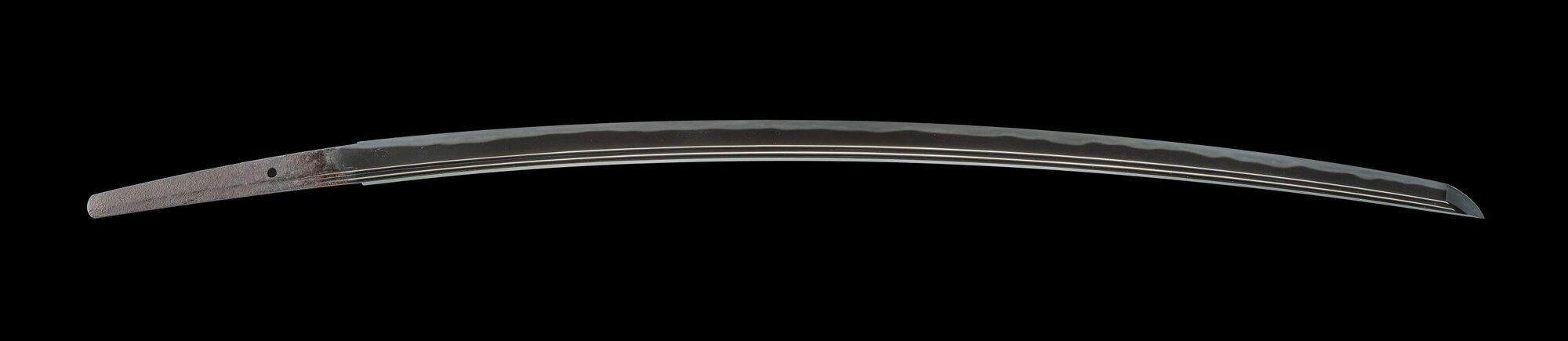
The Kikkō Sadamune (亀甲貞宗, Kikkō Sadamune), National Treasure: the whole blade from one side. Tokyo National Museum, via ColBase · ColBase terms of use · source 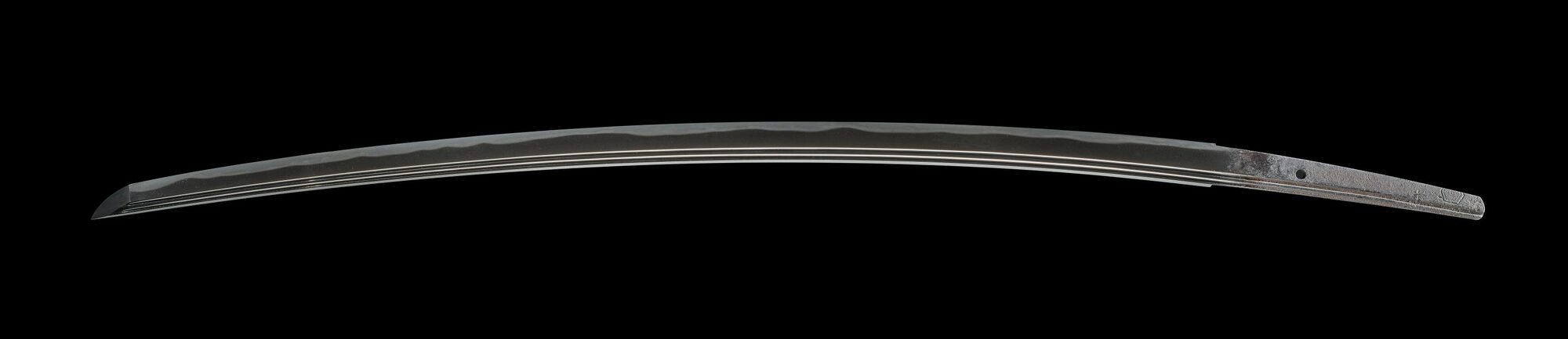
The Kikkō Sadamune from the other side. Tokyo National Museum, via ColBase · ColBase terms of use · source 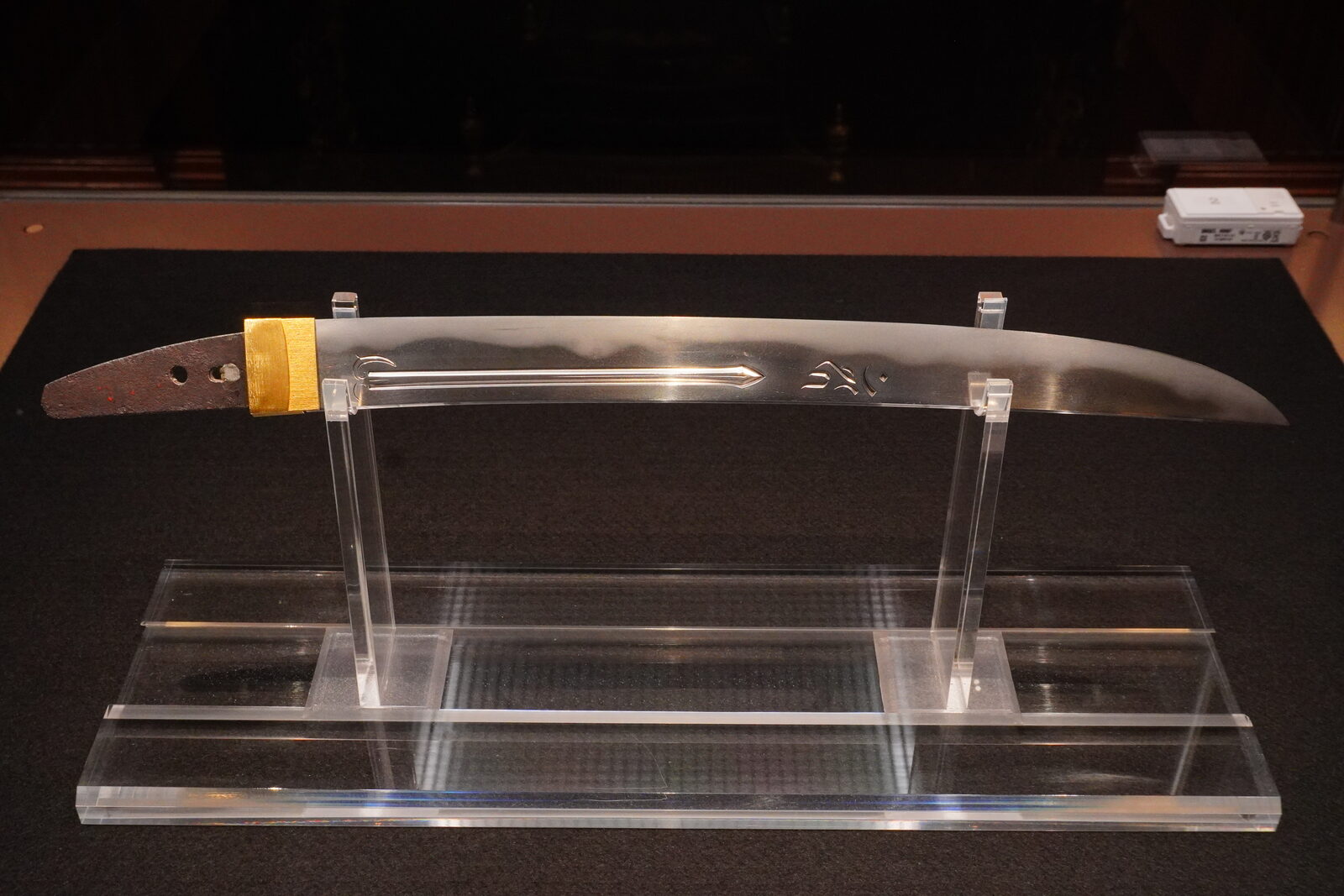
The tantō Tokuzen-in Sadamune (徳善院貞宗, Tokuzen-in Sadamune), a National Treasure. SLIMHANNYA, CC BY-SA 4.0, via Wikimedia Commons · CC BY-SA 4.0 · source 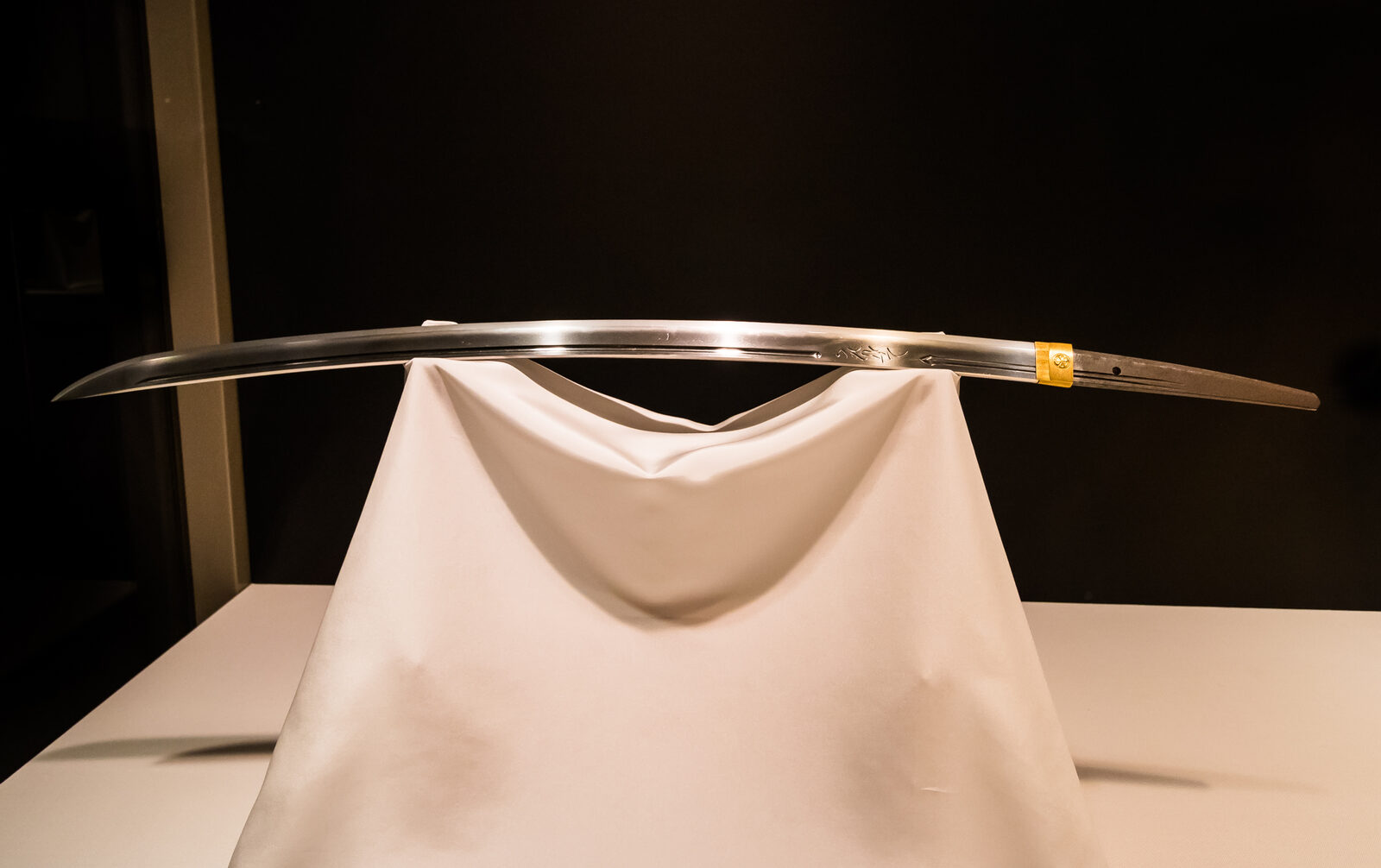
The Kiriha Sadamune on display, with its carvings at the base of the blade. Kakidai, CC BY-SA 4.0, via Wikimedia Commons · CC BY-SA 4.0 · source 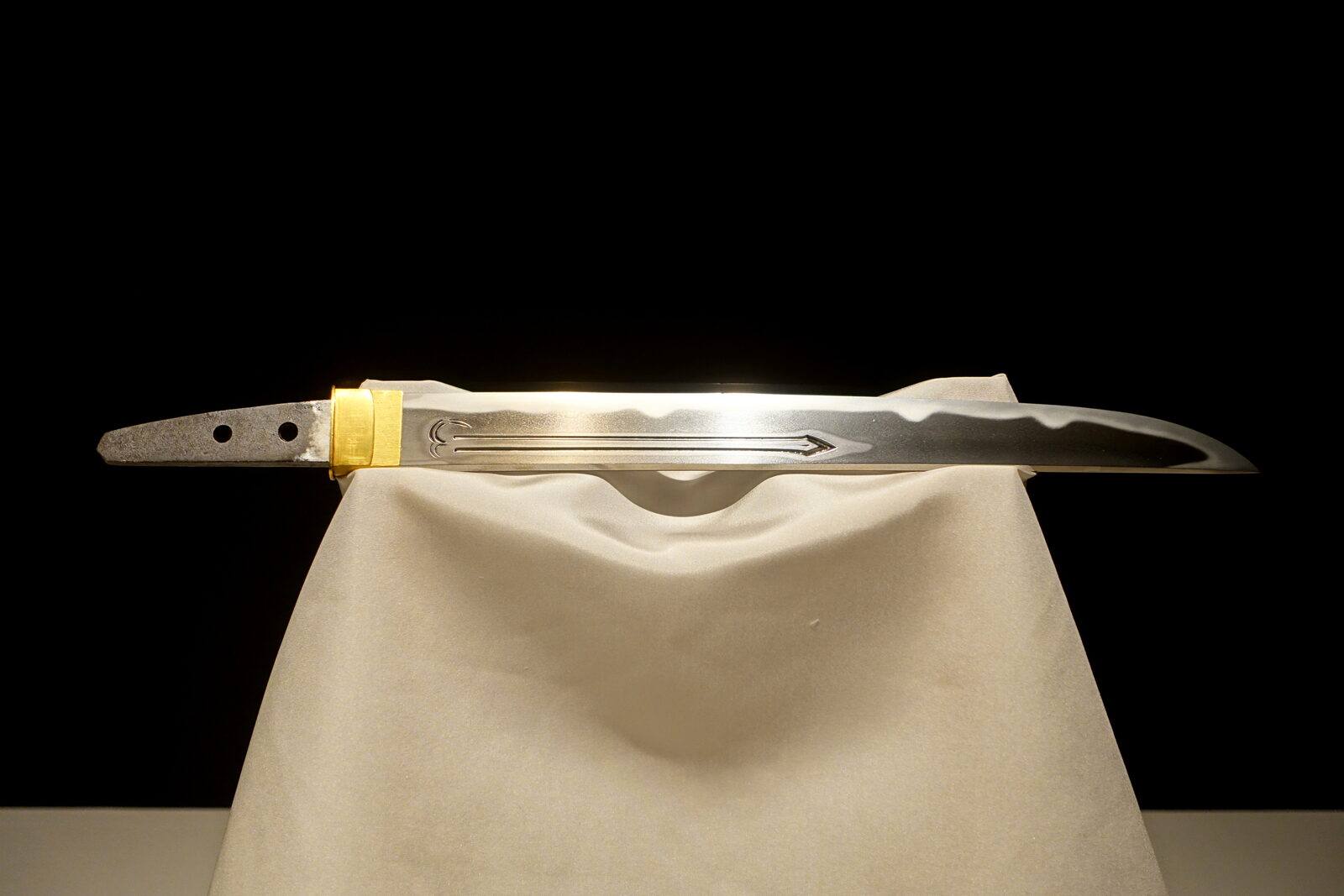
A tantō attributed to Sadamune, on display at the Tokyo National Museum. Daderot, Public domain, via Wikimedia Commons · Public domain · source


