Ranks, cutting tests and titles
Four scales often appear next to a smith’s name and are easily confused: the cutting grade the Yamada house gave him in the Edo period, the skill rating of a twentieth-century reference work, the NBTHK papers on each blade, and the titles of today’s swordsmiths. This topic explains what each one measures, how the edge was tested, what can be read on a tang with a cutting test, and who has received the modern titles, with the sources and the date of every list.
Four scales that do not compare
A catalogue may say of one and the same smith that he is "ō-wazamono", that he is "jō-saku", that his blade has Tokubetsu Hozon papers, or that he is "mukansa". These are four different judgements, made by different people in different periods, and none follows from another:
| Scale | What it measures | Applies to | Who and when |
|---|---|---|---|
| wazamono (業物) | cutting ability proven in tests | the smith, and one particular generation | the Yamada house; 1797, with editions up to 1830 |
| Fujishiro grades, such as jō-saku (上作) | skill, relative to the school and period | the smith | Fujishiro Yoshio (藤代義雄), 1937–1938 |
| NBTHK papers | authenticity and quality | each blade | the NBTHK, at each examination |
| mukansa (無鑑査) | a record of prizes at the annual competition | the living swordsmith | the NBTHK, since 1958 |
That is why a blade "by an ō-wazamono smith" has not been tested for being one, and a smith well placed for his cutting can sit low on the scale of skill. Papers are covered in "NBTHK papers"; the smiths, period by period, in "Famous smiths, period by period".

Wazamono: the Edo cutting ladder
In everyday Japanese, wazamono (業物) is a blade that cuts well. In the Edo period it also came to name a classification of smiths — not of blades — according to how their work had cut in the tests of the Yamada house, which held the post of testing the shogunate’s swords.
The books and their dates
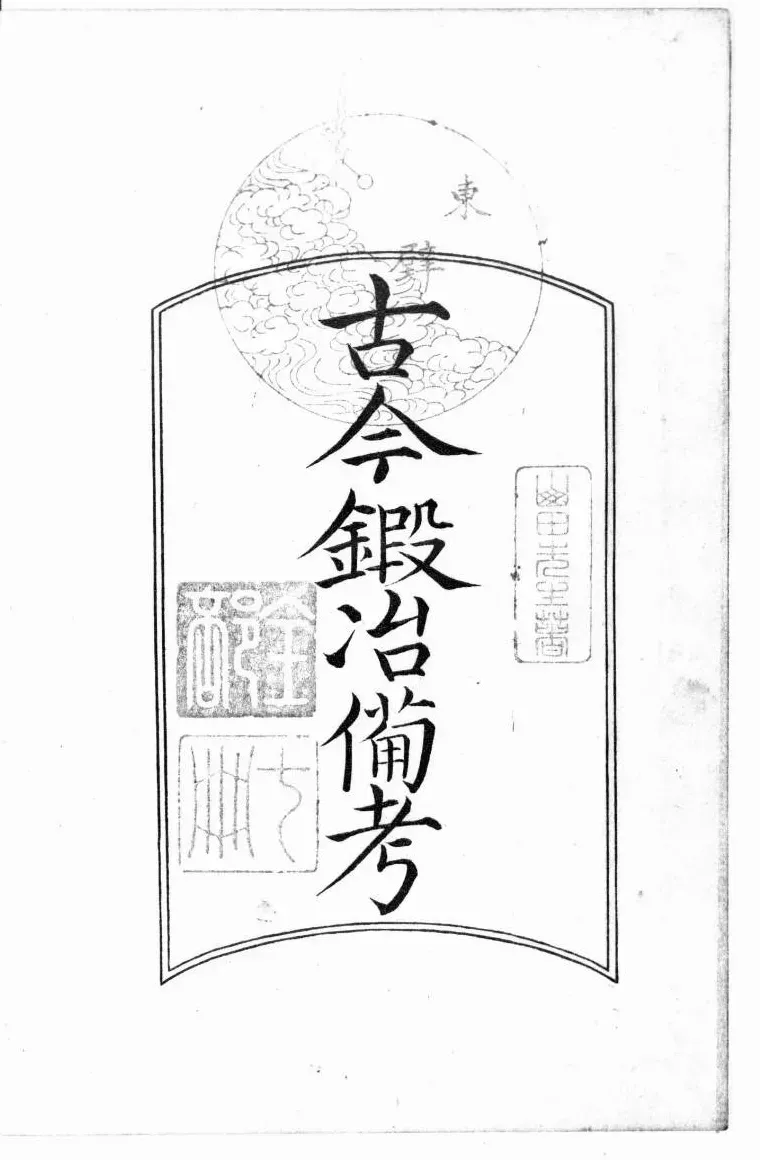
The classification was published in the Kaihō Kenjaku (懐宝剣尺) in the autumn of 1797 (Kansei 9), at the request of Tsuge Heisuke, a samurai of the Karatsu domain, with the results of Yamada Asaemon Yoshimutsu, fifth head of the house, and of Sudō Godayū, who carried out the cuts. It sold well and was reissued in 1805 and in 1815. In 1830 (Bunsei 13) came the Kokon Kaji Bikō (古今鍛冶備考), in seven volumes, which bears Yoshimutsu’s name although it appeared after his death (1823): it reworked the book, added the tests of the following years, and included oshigata and notes on the smiths.
The figures of 163 and of 228 smiths found in different works do not contradict each other: they are the same 1797 edition, counted without the mixed category or with it. Later editions corrected grades and added names, but their full counts vary from source to source; only the three additions to the top grade given by the Japanese Wikipedia list are shown here; the English list changes one of them, as explained below.
The method and the grades
According to the criteria of the Kaihō Kenjaku, the tests were made on the torsos of adult men, cutting at the height of the chiwari (乳割), just above the chest, or through a harder part, and counting how many times out of ten the blade went through. The grade follows from that proportion:
| Grade | Hits out of ten | Smiths in 1797 |
|---|---|---|
| saijō ō-wazamono (最上大業物) | 8–9 | 12, plus 3 added later |
| ō-wazamono (大業物) | 7–8 | 21 |
| yoki-wazamono (良業物), today also ryō-wazamono | 5–7 | 50 |
| wazamono (業物) | 3–4 | 80 |
| mixed category, ō-wazamono yoki-wazamono wazamono kongō (大業物・良業物・業物混合) | depending on the blade | 65 |
The mixed category gathers the smiths whose blades ended up spread across grades. In all, 163 smiths in the four grades and 228 with the mixed one.
The additions to the top grade
The 1805 reissue listed Soboro Sukehiro (ソボロ助広), the first Tsuda Sukehiro of Ōsaka, in the top grade, and the 1830 Kokon Kaji Bikō added Osafune Kanemitsu (長船兼光) and Izumi no Kami Kanesada (和泉守兼定), the Kanesada known as Nosada: fifteen in all. The English Wikipedia list gives Osafune Kagemitsu instead of Kanemitsu; the Japanese list gives Kanemitsu, and that is the version followed here.
The tables below
They follow the Japanese Wikipedia list (刀剣の業物一覧, Tōken no wazamono ichiran), based on the first edition and ordered by name, checked against the English one. The generation goes with the name when the source specifies it, and some entries of the Japanese list group the first and second generations of the same name. In wazamono and in the mixed category that list has 78 and 64 entries, against the 80 and 65 smiths its own headings give for those grades; the sources consulted do not explain the difference.
Where the sources disagree, the Japanese list has been followed:
- in ō-wazamono, the English list has Osafune Yoshikage (長船義景) instead of Hikobei no Jō Sukesada (彦兵衛尉祐定);
- in yoki-wazamono, the English list adds Aoe Tsugunao (次直) and Shizu Kaneuji (志津兼氏), who are not in the Japanese one;
- in wazamono, the English list gives Izumo no Kami (出雲守) Sadashige and Mutsu no Kami (陸奥守) Muneshige where the Japanese one gives Izumi no Kami (和泉守) and Hitachi no Kami (常陸守), and it also leaves out a dozen smiths of this grade.
Absences and limits
Masamune, Awataguchi Yoshimitsu and Gō Yoshihiro, the three greats of the Kyōhō meibutsuchō (享保名物帳), are not on the list. The usual explanation is that blades kept as treasures by the daimyō could not be tested, nor could the shōgun’s authority be challenged. Muramasa is missing too, despite his reputation for cutting: the metallurgist Iwasaki Kōsuke put it down in 1934 to the legend of the cursed sword, which the Yamada house would rather not touch. For the same practical reason the list leans towards blades of the late Muromachi and of shintō, which were the ones that could be cut with.
Muramasa is also dogged by another legend, the one that makes him Masamune’s pupil or rival and tests the two with their blades set in a river: it is a moral tale, for some two centuries separate them.
The list measures the edge, not the art, and the result also depended on the polish and on the hand that cut. The grade belongs to the smith — and, when the source specifies it, to one particular generation — not to a blade: one writes "smith graded ō-wazamono", not "ō-wazamono sword". Already in its day the book served as a selling point: blades by Kotetsu, very well placed, were forged on a massive scale.
| Smith | Province | Grade in 1797 | Later grade |
|---|---|---|---|
| Hizen Tadayoshi First generation (shodai) 肥前忠吉 | Hizen | Saijō ō-wazamono (highest grade) | — |
| Izumi no Kami Kanesada 和泉守兼定 | Mino | — | Saijō ō-wazamono (highest grade) (Kokon Kaji Bikō, 1830) |
| Magoroku Kanemoto 孫六兼元 | Mino | Saijō ō-wazamono (highest grade) | — |
| Mihara Masaie Generation 4 三原正家 | Bingo | Saijō ō-wazamono (highest grade) | — |
| Miyoshi Nagamichi First generation (shodai) 三善長道 | Mutsu | Saijō ō-wazamono (highest grade) | — |
| Mutsu no Kami Tadayoshi 陸奥守忠吉 | Hizen | Saijō ō-wazamono (highest grade) | — |
| Nagasone Okimasa 長曽祢興正 | Musashi | Saijō ō-wazamono (highest grade) | — |
| Nagasone Okisato 長曽祢興里 | Musashi | Saijō ō-wazamono (highest grade) | — |
| Osafune Hidemitsu Generation 2 長船秀光 | Bizen | Saijō ō-wazamono (highest grade) | — |
| Osafune Kanemitsu 長船兼光 | Bizen | — | Saijō ō-wazamono (highest grade) (Kokon Kaji Bikō, 1830) |
| Osafune Motoshige 長船元重 | Bizen | Saijō ō-wazamono (highest grade) | — |
| Seikan Kanemoto 清関兼元 | Mino | Saijō ō-wazamono (highest grade) | — |
| Sendai Kunikane First generation (shodai) 仙台国包 | Mutsu | Saijō ō-wazamono (highest grade) | — |
| Soboro Sukehiro ソボロ助広 | Settsu | — | Saijō ō-wazamono (highest grade) (Kaihō Kenjaku, 1805) |
| Tatara Nagayuki 多々良長幸 | Settsu | Saijō ō-wazamono (highest grade) | — |
| Echigo no Kami Kanesada Generation 2 越後守包貞 | Settsu | Ō-wazamono (excellent) | — |
| Echizen no Kami Nobuyoshi 越前守信吉 | — | Ō-wazamono (excellent) | — |
| Fujishima Tomoshige 藤島友重 | Kaga | Ō-wazamono (excellent) | — |
| Higo no Kami Kuniyasu First generation (shodai) 肥後守国康 | Settsu | Ō-wazamono (excellent) | — |
| Hikobei no Jō Sukesada 彦兵衛尉祐定 | Bizen | Ō-wazamono (excellent) | — |
| Horikawa Kunihiro 堀川国広 | Yamashiro | Ō-wazamono (excellent) | — |
| Horikawa Kuniyasu 堀川国安 | Yamashiro | Ō-wazamono (excellent) | — |
| Ichinohira Yasuyo 一平安代 | Satsuma | Ō-wazamono (excellent) | — |
| Iyo Daijō Katsukuni First generation (shodai) 伊予大掾勝国 | Kaga | Ō-wazamono (excellent) | — |
| Izumi no Kami Kunisada First generation (shodai) 和泉守国貞 | Settsu | Ō-wazamono (excellent) | — |
| Kashū Kanenori 加州兼則 | Kaga | Ō-wazamono (excellent) | — |
| Kashū Kanewaka First generation (shodai) 加州兼若 | Kaga | Ō-wazamono (excellent) | — |
| Mondo no Shō Masakiyo 主水正正清 | Satsuma | Ō-wazamono (excellent) | — |
| Ōmi Daijō Tadahiro 近江大掾忠広 | Hizen | Ō-wazamono (excellent) | — |
| Sakyō no Suke Yasumitsu 左京亮康光 | Bizen | Ō-wazamono (excellent) | — |
| Shuri no Suke Morimitsu 修理亮盛光 | Bizen | Ō-wazamono (excellent) | — |
| Takatenjin Kaneaki 高天神兼明 | Tōtōmi | Ō-wazamono (excellent) | — |
| Tōshirō Sukesada 藤四郎祐定 | Bizen | Ō-wazamono (excellent) | — |
| Tsuda Echizen no Kami Sukehiro 津田越前守助広 | Settsu | Ō-wazamono (excellent) | — |
| Tsushima no Kami Sadashige First generation (shodai) 対馬守貞重 | — | Ō-wazamono (excellent) | — |
| Yosōzaemon Sukesada 与三左衛門祐定 | Bizen | Ō-wazamono (excellent) | — |
| Aizu Kanesada 会津兼定 | Mutsu | Yoki-wazamono (very good) | — |
| Bitchū no Kami Yasuhiro 備中守康広 | — | Yoki-wazamono (very good) | — |
| Echigo no Kami Kunitomo 越後守国儔 | Yamashiro | Yoki-wazamono (very good) | — |
| Echizen Kanenori 越前兼則 | Echizen | Yoki-wazamono (very good) | — |
| Echizen Kanetane 越前兼植 | Echizen | Yoki-wazamono (very good) | — |
| Heki Mitsuhira 日置光平 | Musashi | Yoki-wazamono (very good) | — |
| Heki Munehiro 日置宗弘 | — | Yoki-wazamono (very good) | — |
| Iga no Kami Sadatsugu 伊賀守定次 | — | Yoki-wazamono (very good) | — |
| Ikkanshi Tadatsuna 一竿子忠綱 | Settsu | Yoki-wazamono (very good) | — |
| Ise Daijō Yoshihiro 伊勢大掾吉弘 | — | Yoki-wazamono (very good) | — |
| Jirōzaemon Katsumitsu 次郎左衛門勝光 | Bizen | Yoki-wazamono (very good) | — |
| Kanabō Masazane 金房正真 | Yamato | Yoki-wazamono (very good) | — |
| Kanesada Generation 3 兼定 | Mino | Yoki-wazamono (very good) | — |
| Kazusa no Suke Kaneshige 上総介兼重 | Musashi | Yoki-wazamono (very good) | — |
| Kyō Yoshimichi Generations 1 and 2 京吉道 | Yamashiro | Yoki-wazamono (very good) | — |
| Musashi Daijō Korekazu First generation (shodai) 武蔵大掾是一 | Musashi | Yoki-wazamono (very good) | — |
| Musashi no Kami Yoshikado 武蔵守吉門 | — | Yoki-wazamono (very good) | — |
| Mutsu Tadashige 陸奥忠重 | — | Yoki-wazamono (very good) | — |
| Nanki Shigekuni First generation (shodai) 南紀重国 | Kii | Yoki-wazamono (very good) | — |
| Okayama Kunimune 岡山国宗 | — | Yoki-wazamono (very good) | — |
| Ōmi no Kami Hisamichi First generation (shodai) 近江守久道 | Yamashiro | Yoki-wazamono (very good) | — |
| Ōmiya Morikage 大宮盛景 | Bizen | Yoki-wazamono (very good) | — |
| Osafune Hidesuke 長船秀助 | Bizen | Yoki-wazamono (very good) | — |
| Osafune Iesuke Generation 2 長船家助 | Bizen | Yoki-wazamono (very good) | — |
| Osafune Norimitsu First generation (shodai) 長船則光 | Bizen | Yoki-wazamono (very good) | — |
| Osafune Norimitsu Generations 1 and 2 長船法光 | Bizen | Yoki-wazamono (very good) | — |
| Osafune Sukemitsu 長船祐光 | Bizen | Yoki-wazamono (very good) | — |
| Osafune Tadamitsu 長船忠光 | Bizen | Yoki-wazamono (very good) | — |
| Ōsaka Yoshimichi Generations 1 and 2 大阪吉道 | Settsu | Yoki-wazamono (very good) | — |
| Ōshū Masanaga 奥州政長 | Mutsu | Yoki-wazamono (very good) | — |
| Ōyogo Kunishige 大与五国重 | Bitchū | Yoki-wazamono (very good) | — |
| Sakakura Masatoshi Generations 1 and 2 坂倉正利 | Mino | Yoki-wazamono (very good) | — |
| Sakyō no Shin Munemitsu 左京進宗光 | Bizen | Yoki-wazamono (very good) | — |
| Seki Kanefusa 関兼房 | Mino | Yoki-wazamono (very good) | — |
| Seki Kanetsune 関兼常 | Mino | Yoki-wazamono (very good) | — |
| Settsu no Kami Tadayuki First generation (shodai) 摂津守忠行 | Settsu | Yoki-wazamono (very good) | — |
| Sōshū Tsunahiro First generation (shodai) 相州綱広 | Sagami | Yoki-wazamono (very good) | — |
| Sukeemon Norimitsu 助右衛門則光 | Bizen | Yoki-wazamono (very good) | — |
| Takada Yukinaga 高田行長 | Bungo | Yoki-wazamono (very good) | — |
| Tango no Kami Naomichi 丹後守直道 | — | Yoki-wazamono (very good) | — |
| Tsuda Ōmi no Kami Sukenao 津田近江守助直 | Settsu | Yoki-wazamono (very good) | — |
| Tsushima no Kami Tsunemitsu 対馬守常光 | — | Yoki-wazamono (very good) | — |
| Ukyō no Shin Katsumitsu 右京進勝光 | Bizen | Yoki-wazamono (very good) | — |
| Wakasa no Kami Ujifusa 若狭守氏房 | — | Yoki-wazamono (very good) | — |
| Yamashiro Daijō Kunitsugu First generation (shodai) 山城大掾国次 | — | Yoki-wazamono (very good) | — |
| Yamashiro no Kami Kunikane Generation 2 山城守国包 | Mutsu | Yoki-wazamono (very good) | — |
| Yamato Daijō Masanori First generation (shodai) 大和大掾正則 | — | Yoki-wazamono (very good) | — |
| Yamato no Kami Yasusada 大和守安定 | Musashi | Yoki-wazamono (very good) | — |
| Yasutsugu Generations 1 and 2 康継 | — | Yoki-wazamono (very good) | — |
| Yokoyama Sukesada 横山祐定 | Bizen | Yoki-wazamono (very good) | — |
| Aizu Kanetomo First generation (shodai) 会津兼友 | Mutsu | Wazamono (good) | — |
| Aizu Kunisada 会津国貞 | Mutsu | Wazamono (good) | — |
| Bitchū Daijō Masanaga 備中大掾正永 | — | Wazamono (good) | — |
| Dewa Daijō Kunimichi 出羽大掾国路 | Yamashiro | Wazamono (good) | — |
| Dewa no Kami Sukenobu 出羽守助信 | Settsu | Wazamono (good) | — |
| Dewa no Kami Yukihiro 出羽守行広 | Hizen | Wazamono (good) | — |
| Doi Shinryō 土肥真了 | — | Wazamono (good) | — |
| Etchū no Kami Masatoshi 越中守正俊 | Yamashiro | Wazamono (good) | — |
| Gorōzaemon Kiyomitsu 五郎左衛門清光 | Kaga | Wazamono (good) | — |
| Hachimanyama Kiyohira 八幡山清平 | — | Wazamono (good) | — |
| Hanabusa Sukekuni 花房祐国 | — | Wazamono (good) | — |
| Harima Daijō Kiyomitsu 播磨大掾清光 | — | Wazamono (good) | — |
| Harima Daijō Shigetaka First generation (shodai) 播磨大掾重高 | Echizen | Wazamono (good) | — |
| Harima Daijō Tadakuni First generation (shodai) 播磨大掾忠国 | Hizen | Wazamono (good) | — |
| Higo no Kami Teruhiro 肥後守輝広 | — | Wazamono (good) | — |
| Hitachi no Kami Muneshige 常陸守宗重 | — | Wazamono (good) | — |
| Hizen Masahiro First generation (shodai) 肥前正広 | Hizen | Wazamono (good) | — |
| Hizen Tadayoshi Generation 4 忠吉 | Hizen | Wazamono (good) | — |
| Hōjōji Masahiro 法城寺正弘 | Musashi | Wazamono (good) | — |
| Hōki no Kami Hirotaka 伯耆守汎隆 | Echizen | Wazamono (good) | — |
| Hōki no Kami Nobutaka Generations 1 and 2 伯耆守信高 | Owari | Wazamono (good) | — |
| Iga no Kami Kinmichi First generation (shodai) 伊賀守金道 | Yamashiro | Wazamono (good) | — |
| Inoue Shinkai 井上真改 | Settsu | Wazamono (good) | — |
| Izumi no Kami Kinmichi Generations 1 and 2 和泉守金道 | Yamashiro | Wazamono (good) | — |
| Izumi no Kami Sadashige 和泉守貞重 | — | Wazamono (good) | — |
| Izumo Daijō Yoshitake Generations 1 and 2 出雲大掾吉武 | — | Wazamono (good) | — |
| Jūrōzaemon Harumitsu 十郎左衛門春光 | Bizen | Wazamono (good) | — |
| Kaga no Kami Sadahiro 加賀守貞広 | — | Wazamono (good) | — |
| Kanabō Masatsugu 金房政次 | Yamato | Wazamono (good) | — |
| Kanekuni First generation (shodai) 包国 | Settsu | Wazamono (good) | — |
| Kanetane 兼植 | Musashi | Wazamono (good) | — |
| Kashū Katsuie Generations 1 and 2 加州勝家 | Kaga | Wazamono (good) | — |
| Katsubei Kiyomitsu 勝兵衛清光 | Kaga | Wazamono (good) | — |
| Kawachi no Kami Kunisuke 河内守国助 | Settsu | Wazamono (good) | — |
| Kawachi no Kami Motoyuki 河内守本行 | Settsu | Wazamono (good) | — |
| Kawachi no Kami Yasunaga 河内守康永 | Settsu | Wazamono (good) | — |
| Kijinmaru Kunishige 鬼神丸国重 | Settsu | Wazamono (good) | — |
| Kinshirō Hisamichi 金四郎久道 | Yamashiro | Wazamono (good) | — |
| Kōzuke no Kami Yoshikuni 上野守吉国 | Tosa | Wazamono (good) | — |
| Kōzuke no Suke Yoshimasa 上野介吉正 | — | Wazamono (good) | — |
| Maru-Tsuda Sukehiro 丸津田助広 (Maru Tsuda Sukehiro) | Settsu | Wazamono (good) | — |
| Musashi no Kami Kanenaka 武蔵守兼中 | — | Wazamono (good) | — |
| Musashi no Kami Tomotsune 武蔵守友常 | — | Wazamono (good) | — |
| Mutsu no Kami Toshinaga First generation (shodai) 陸奥守歳長 | — | Wazamono (good) | — |
| Niō Kiyozane 二王清実 | Suō | Wazamono (good) | — |
| Nobukuni Shigekane 信国重包 | Chikuzen | Wazamono (good) | — |
| Nobukuni Shigesada 信国重貞 | Chikuzen | Wazamono (good) | — |
| Onizuka Yoshikuni 鬼塚吉国 | — | Wazamono (good) | — |
| Sagami no Kami Kunimasa 相模守国維 | — | Wazamono (good) | — |
| Sagami no Kami Kunitsuna 相模守国綱 | — | Wazamono (good) | — |
| Sakushū Kanekage 作州兼景 | Mimasaka | Wazamono (good) | — |
| Sendai Yasutomo Generation 2 仙台安倫 | Mutsu | Wazamono (good) | — |
| Senjuin Morikuni 千手院盛国 | — | Wazamono (good) | — |
| Sesshū Kunimitsu 摂州国光 | Settsu | Wazamono (good) | — |
| Sesshū Suketaka 摂州助高 | Settsu | Wazamono (good) | — |
| Shimosaka Munemichi 下坂宗道 | — | Wazamono (good) | — |
| Shimosaka Tsuguhiro 下阪継広 | Echizen | Wazamono (good) | — |
| Shinano Daijō Tadakuni First generation (shodai) 信濃大掾忠国 | Yamashiro | Wazamono (good) | — |
| Shitahara Terushige 下原照重 | Musashi | Wazamono (good) | — |
| Sugawara Kunitake 菅原国武 | — | Wazamono (good) | — |
| Suzuki Sadanori 鈴木貞則 | — | Wazamono (good) | — |
| Takada Muneyuki First generation (shodai) 高田統行 | Bungo | Wazamono (good) | — |
| Takada Shigeyuki 高田重行 | Bungo | Wazamono (good) | — |
| Takai Kuniyoshi 高井国義 | — | Wazamono (good) | — |
| Takai Nobuyoshi First generation (shodai) 高井信吉 | Settsu | Wazamono (good) | — |
| Tegarayama Ujishige First generation (shodai) 手柄山氏重 | Harima | Wazamono (good) | — |
| Tōren Morihisa 東連守久 | — | Wazamono (good) | — |
| Tsuguhira First generation (shodai) 継平 | — | Wazamono (good) | — |
| Tsunbo Nagatsuna 聾長綱 | Settsu | Wazamono (good) | — |
| Tsushima no Kami Tachibana Ippō 対馬守橘一法 | — | Wazamono (good) | — |
| Tsutsui Norimitsu 筒井紀充 | Settsu | Wazamono (good) | — |
| Umetada Shigeyoshi 埋忠重義 | — | Wazamono (good) | — |
| Wakasa no Kami Hiromasa 若狭守広政 | Settsu | Wazamono (good) | — |
| Yamashiro no Kami Hidetoki First generation (shodai) 山城守秀辰 | — | Wazamono (good) | — |
| Yamashiro no Kami Kunikiyo Generations 1 and 2 山城守国清 | Echizen | Wazamono (good) | — |
| Yamashiro no Kami Toshinaga First generation (shodai) 山城守歳長 | — | Wazamono (good) | — |
| Yamato Daijō Sadayuki 大和大掾貞行 | — | Wazamono (good) | — |
| Yamato no Kami Yoshimichi Generations 1 and 2 大和守吉道 | — | Wazamono (good) | — |
| Akasaka Senjuin Kuninaga 赤坂千手院国長 | Mino | Mixed category (ō-, yoki- and wazamono) | — |
| Aki Hirotaka First generation (shodai) 安芸広隆 | Aki | Mixed category (ō-, yoki- and wazamono) | — |
| Bungo no Kami Masamitsu 豊後守正全 | — | Mixed category (ō-, yoki- and wazamono) | — |
| Darani Yoshiie 陀羅尼吉家 | Kaga | Mixed category (ō-, yoki- and wazamono) | — |
| Dewa no Kami Sukeshige 出羽守助重 | — | Mixed category (ō-, yoki- and wazamono) | — |
| Dōtanuki Masakuni 同田貫正国 | Higo | Mixed category (ō-, yoki- and wazamono) | — |
| Echigo no Kami Tadamichi 越後守忠道 | — | Mixed category (ō-, yoki- and wazamono) | — |
| Etchū no Kami Takahira 越中守高平 | — | Mixed category (ō-, yoki- and wazamono) | — |
| Fujishima Yukimitsu 藤島行光 | Kaga | Mixed category (ō-, yoki- and wazamono) | — |
| Hachiya Kanesada 蜂屋兼貞 | Mino | Mixed category (ō-, yoki- and wazamono) | — |
| Harima no Kami Yoshinari 播磨守吉成 | — | Mixed category (ō-, yoki- and wazamono) | — |
| Hōjōji Kuniyoshi 法城寺国吉 | — | Mixed category (ō-, yoki- and wazamono) | — |
| Iga Shizumasa 伊賀鎮政 | — | Mixed category (ō-, yoki- and wazamono) | — |
| Ishimichi Masatoshi 石道正俊 | — | Mixed category (ō-, yoki- and wazamono) | — |
| Kashū Ietada 加州家忠 | Kaga | Mixed category (ō-, yoki- and wazamono) | — |
| Kashū Ieyoshi 加州家吉 | Kaga | Mixed category (ō-, yoki- and wazamono) | — |
| Kawachi no Kami Kanesada 河内守包定 | — | Mixed category (ō-, yoki- and wazamono) | — |
| Kawashima Kunihira 川島国平 | — | Mixed category (ō-, yoki- and wazamono) | — |
| Komatsu Kanemaki 小松兼巻 | — | Mixed category (ō-, yoki- and wazamono) | — |
| Kōzuke no Kami Hisakuni 上野守久国 | — | Mixed category (ō-, yoki- and wazamono) | — |
| Kōzuke no Kami Kanesada 上野守兼定 | — | Mixed category (ō-, yoki- and wazamono) | — |
| Matsuyama Kuniteru 松山国輝 | — | Mixed category (ō-, yoki- and wazamono) | — |
| Mihara Masachika 三原正近 | Bingo | Mixed category (ō-, yoki- and wazamono) | — |
| Musashi Sukechika 武蔵助鄰 reading unconfirmed | — | Mixed category (ō-, yoki- and wazamono) | — |
| Mutsu no Kami Tameyasu First generation (shodai) 陸奥守為康 | — | Mixed category (ō-, yoki- and wazamono) | — |
| Mutsu no Kami Terumasa 陸奥守輝政 | — | Mixed category (ō-, yoki- and wazamono) | — |
| Naminohira Hiroyasu 波平寛安 | Satsuma | Mixed category (ō-, yoki- and wazamono) | — |
| Naminohira Kiyosuke 波平清佐 | Satsuma | Mixed category (ō-, yoki- and wazamono) | — |
| Naminohira Shigeyoshi 波平重吉 | Satsuma | Mixed category (ō-, yoki- and wazamono) | — |
| Nanki Shigekuni Generation 2 南紀重国 | Kii | Mixed category (ō-, yoki- and wazamono) | — |
| Nisshū Kunitomi 日州国富 | Hyūga | Mixed category (ō-, yoki- and wazamono) | — |
| Osafune Arimitsu 長船在光 | Bizen | Mixed category (ō-, yoki- and wazamono) | — |
| Osafune Hisamitsu 長船久光 | Bizen | Mixed category (ō-, yoki- and wazamono) | — |
| Osafune Tsuneie Generations 1 and 2 長船経家 | Bizen | Mixed category (ō-, yoki- and wazamono) | — |
| Osafune Yoshimitsu 長船賀光 | Bizen | Mixed category (ō-, yoki- and wazamono) | — |
| Sagami no Kami Kaneyasu 相模守兼安 | — | Mixed category (ō-, yoki- and wazamono) | — |
| Sagami no Kami Masatsune First generation (shodai) 相模守政常 | Owari | Mixed category (ō-, yoki- and wazamono) | — |
| Sanjō Yoshikuni 三条義国 | — | Mixed category (ō-, yoki- and wazamono) | — |
| Sasaki Ippō First generation (shodai) 佐々木一峯 | — | Mixed category (ō-, yoki- and wazamono) | — |
| Satsuma Kunihira 薩摩国平 | Satsuma | Mixed category (ō-, yoki- and wazamono) | — |
| Seki Jumyō 関寿命 | Mino | Mixed category (ō-, yoki- and wazamono) | — |
| Seki Kanekuni 関兼国 | Mino | Mixed category (ō-, yoki- and wazamono) | — |
| Seki Kanemichi 関兼道 | Mino | Mixed category (ō-, yoki- and wazamono) | — |
| Seki Kanenori 関兼則 | Mino | Mixed category (ō-, yoki- and wazamono) | — |
| Seki Kaneoto 関兼音 | Mino | Mixed category (ō-, yoki- and wazamono) | — |
| Seki Kanetoki 関兼辰 | Mino | Mixed category (ō-, yoki- and wazamono) | — |
| Seki Nagatoshi 関長俊 | Mino | Mixed category (ō-, yoki- and wazamono) | — |
| Senjuin Hironaga 千手院広長 | — | Mixed category (ō-, yoki- and wazamono) | — |
| Settsu no Kami Nagashige First generation (shodai) 摂津守永重 | — | Mixed category (ō-, yoki- and wazamono) | — |
| Shichibei Sukesada 七兵衛祐定 | Bizen | Mixed category (ō-, yoki- and wazamono) | — |
| Shimōsa Daijō Kanemasa 下総大掾兼正 | — | Mixed category (ō-, yoki- and wazamono) | — |
| Shimōsa Daijō Muneyoshi 下総大掾宗吉 | — | Mixed category (ō-, yoki- and wazamono) | — |
| Shimosaka Tametoshi 下阪為利 | — | Mixed category (ō-, yoki- and wazamono) | — |
| Shinano no Kami Hirokane First generation (shodai) 信濃守弘包 | — | Mixed category (ō-, yoki- and wazamono) | — |
| Shitahara Yasushige First generation (shodai) 下原康重 | Musashi | Mixed category (ō-, yoki- and wazamono) | — |
| Sōshū Tsunaie 相州綱家 | Sagami | Mixed category (ō-, yoki- and wazamono) | — |
| Sōshū Yasuharu 相州康春 | Sagami | Mixed category (ō-, yoki- and wazamono) | — |
| Taira Morikata 平盛方 | — | Mixed category (ō-, yoki- and wazamono) | — |
| Takada Teruyuki 高田輝行 | Bungo | Mixed category (ō-, yoki- and wazamono) | — |
| Tegai Kanesada 手掻包定 | Yamato | Mixed category (ō-, yoki- and wazamono) | — |
| Uda Kunifusa 宇多国房 | Etchū | Mixed category (ō-, yoki- and wazamono) | — |
| Wakasa no Kami Michitoki 若狭守道辰 | — | Mixed category (ō-, yoki- and wazamono) | — |
| Yamato no Kami Kuniyuki 大和守国行 | — | Mixed category (ō-, yoki- and wazamono) | — |
| Yamato no Kami Yasuyuki 大和守安行 | Satsuma | Mixed category (ō-, yoki- and wazamono) | — |
List checked up to 27 September 2026.
Sources: Kaihō Kenjaku (1797, 1805, 1815) · Kokon Kaji Bikō (1830) · Wikipedia (ja: 刀剣の業物一覧 (Tōken no wazamono ichiran); en: List of Wazamono)

The cutting test: who cut, and how
The cutting test is called tameshigiri (試し斬り); in the Edo period it was also written tameshigiri (様斬). It served to check the edge of a blade, and until the Meiji era it was done on bodies: already in the sixteenth century the Jesuit Luís Fróis noted that the Japanese did not trust tests on animals. Cutting a body held still was called suemono-giri (据物斬り), and in the Bakumatsu destructive tests on hard materials were also carried out, katamono-dameshi (堅物試し).
The post and the two houses
Testing the shōgun’s swords was an office, the o-tameshi goyō (御様御用), under the officer in charge of the swords, the koshimono bugyō (腰物奉行); with the shōgun’s own sword it was performed as a ceremony. In the mid-seventeenth century it was held by the Yamano house: Yamano Kaemon Nagahisa (山野加右衛門永久), who died in 1667 and is credited with thousands of cuts, and his son Kanjūrō Hisahide (勘十郎久英), called to service in 1685. Many Kotetsu blades bear the inscription of one or the other.
The Yamano lost the post for want of a capable successor. After several short-lived holders it passed to Yamada Asaemon Sadatake, and with his son Yoshitoki the post settled in the Yamada house, under the hereditary name Asaemon. The Yamada were not vassals of the shōgun but rōnin holding an official post; their fifth generation, Yoshimutsu, is the one of the Kaihō Kenjaku. A decree of 1870 banned tests on executed criminals, and the Penal Code of 1882 ended beheading: with them the trade came to an end.
How the tests were made
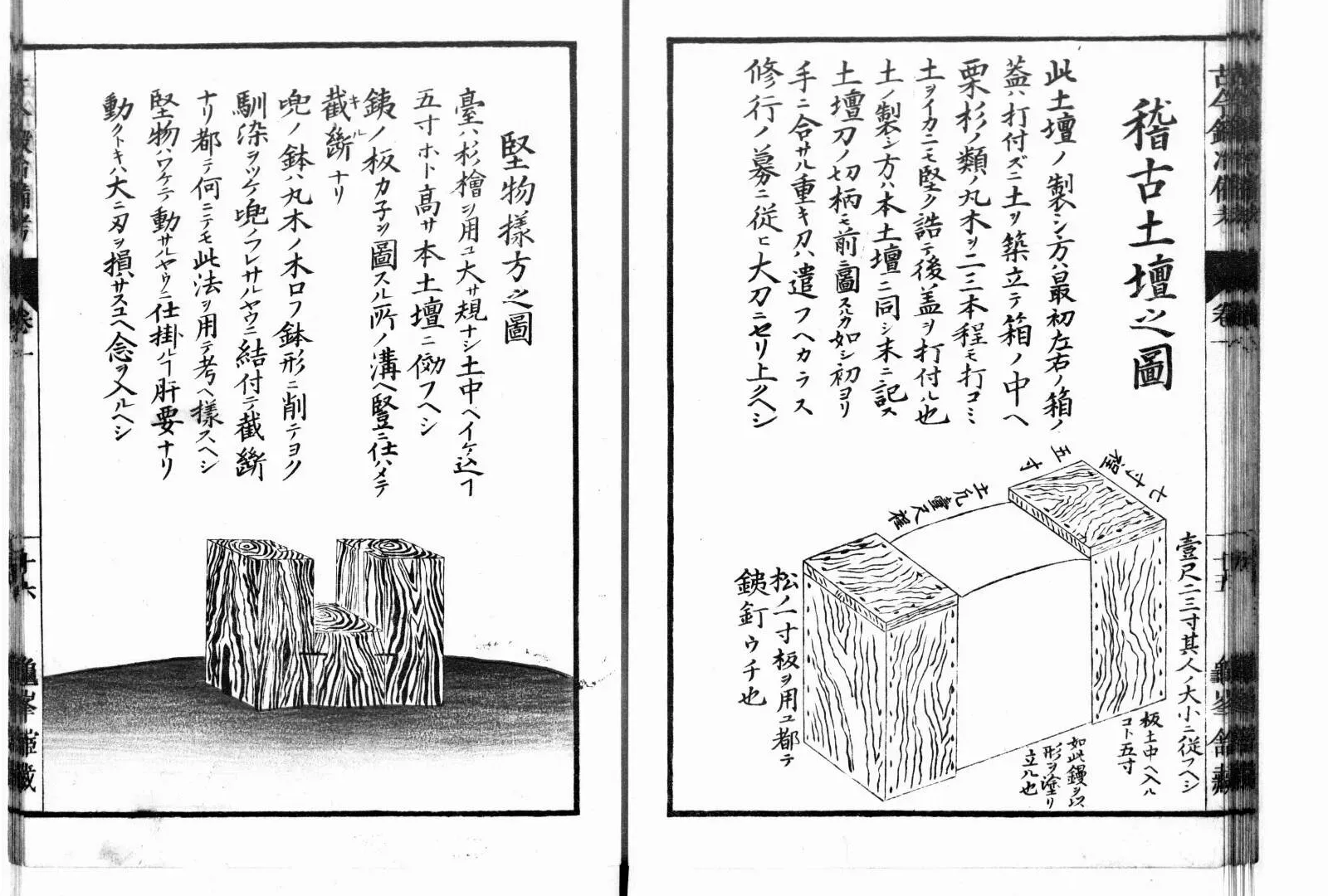
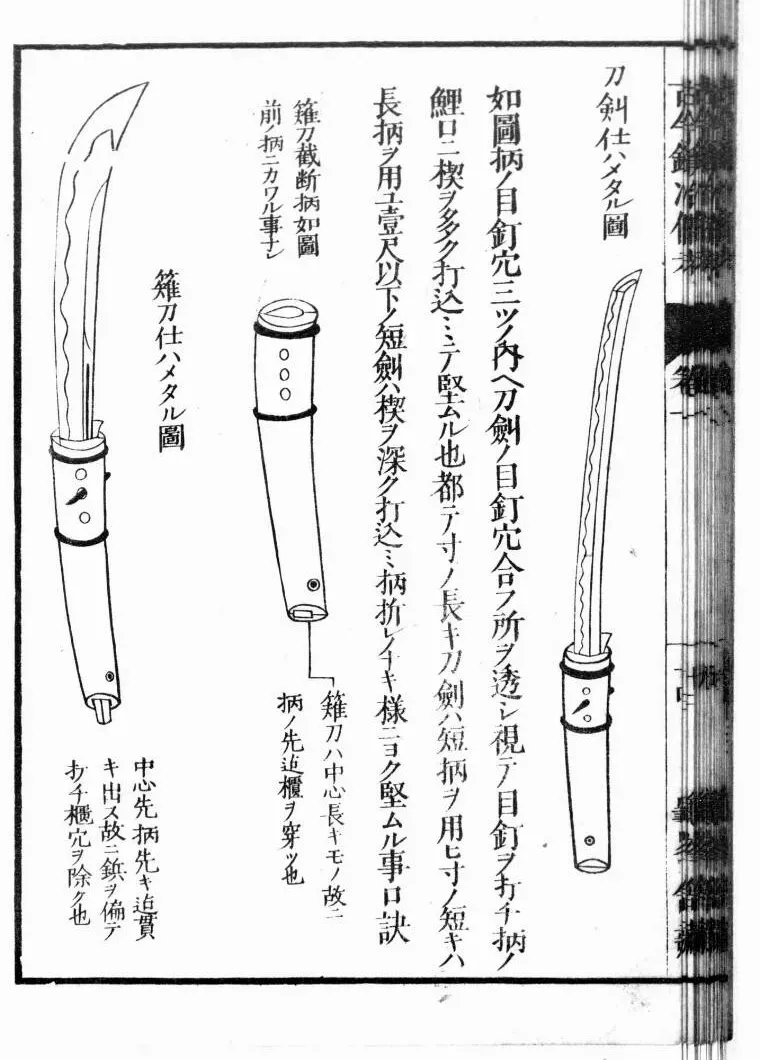
The body was held between stakes on a mound of earth, the dodan (土壇). The blade was mounted in a test hilt, the kiri-tsuka (切り柄), sometimes with a lead-weighted guard. For exceptional blades bodies were stacked: two, futatsu-dō (二ツ胴); three, mitsu-dō (三ツ胴); and so on up to the accepted record of seven, nanatsu-dō (七ツ胴). Above three, inscriptions are rare.
A few cases give the measure. The record of seven bodies is attributed to a katana by Kanefusa (兼房). Testing was not kept for long blades: a ko-wakizashi by Nobukuni, 38.5 cm long, bears a torso cut by Nakagawa Saheita (中川左平太), a tester who came before the Yamano. And the same blade could go back to the dodan many times: it is said of one wakizashi that its tang adds up the sessions of two testers, Urano Masanaga and Tomita Yaichizaemon Shigetsuna, with cuts through three bodies, through two, and through one with a single hand, up to twenty-five bodies in all.
Each cut had a name according to its height. The systems changed with the period and the school, and one and the same word came to name different places; the short list given by the Japanese Wikipedia runs from top to bottom:
- suritsuke (摺付), at shoulder height;
- kenashi (毛無), above the armpit;
- wakige (脇毛), through the armpit;
- ichi no dō (一の胴);
- ni no dō (二の胴);
- hachimaime (八枚目);
- ryōguruma (両車), through the waist.
Tameshigiri today
In iaidō and battōdō, rolled and soaked tatami mats are cut (tatami-omote, 畳表), sometimes with a bamboo core. It is a martial practice, not a test of the blade, and it calls for blades made for it: an antique blade used in this way is exposed to damage. In Japan, a National Police circular of December 2024 holds that letting tourists cut with registered swords for fun has no place under the weapons law, and tameshigiri experiences for visitors came to an end.
Blades meant for mats are broad and thin, with almost flat sides. Some practitioners grind down an old blade with full, rounded sides until it looks like that, and for those who care for antique blades this amounts to destroying it.

What can be read on a tang
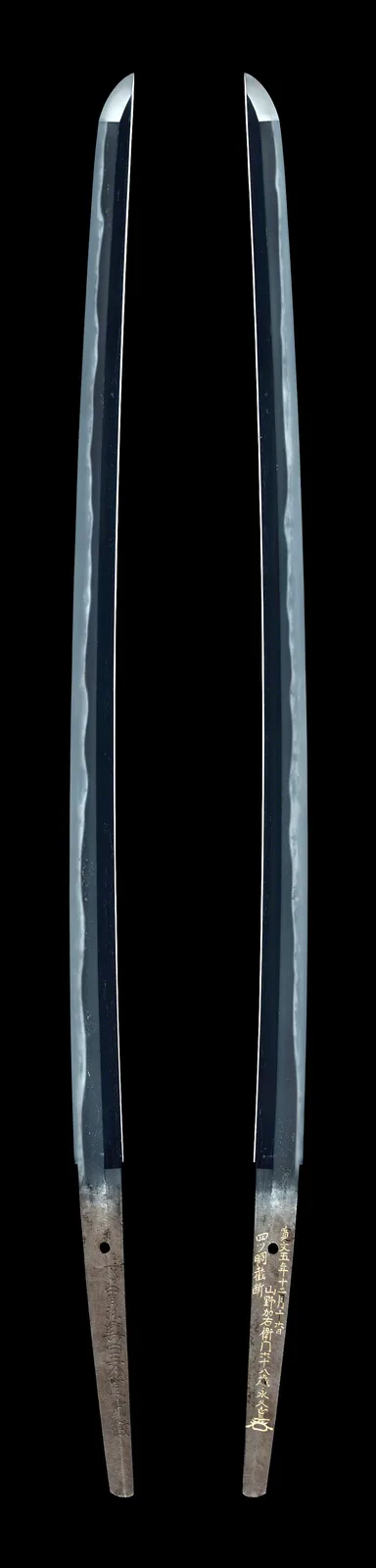
The result of a test was engraved on the tang. The inscription is called saidan-mei (截断銘) or tameshi-mei (試し銘) and usually gives three things: the date, the result — how many bodies and through which cut — and the tester’s name with his monogram, the kaō (花押). Sometimes it adds the place, the owner or a nickname. It is nearly always inlaid in gold, kinzōgan (金象嵌); sometimes chiselled or in silver.
The words that recur most often:
| Inscription | Reading | What it says |
|---|---|---|
| 截断 · 裁断 | setsudan | "severed": the formula for the result; the name of the inscription, saidan-mei, is read with sai |
| 二ツ胴 · 貳ツ胴 | futatsu-dō | two stacked bodies; mitsu-dō (三ツ胴), three; yotsu-dō (四ツ胴), four |
| 土壇払 | dotan-barai | the cut went through the body down to the mound |
| 落 | otoshi | "felled", as in futatsu-dō otoshi (二ツ筒落), with 筒 (dō) for 胴 (dō) |
| 切手 | kirite | "the one who cuts": it comes before the tester’s name |
| 花押 | kaō | the tester’s monogram |
The example in the figure is the Kotetsu katana of the Tokyo Fuji Art Museum. It gives the date, the twelfth month of Kanbun 5 (1665); the tester, Yamano Kaemon Nagahisa, with his age, 68, and his monogram; and the result, yotsu-dō setsudan (四ツ胴截断): four bodies severed.
Some gold inscriptions carry a nickname that alludes to the cut, such as Kagotsurube (籠釣瓶), "the wicker bucket" that holds nothing back, or Sasa no yuki (笹雪), "snow on bamboo", which falls without weight. But not everything in gold is a test: inlays also record attributions, owners or names unrelated to cutting.
The NBTHK does not rule on the cutting test: the inscription is on the tang and is not part of the paper, which certifies the blade and the smith’s signature. There are test inscriptions added later, including famous names, and some with a tester who appears in no record at all. It helps to check that the dates fit: the test cannot predate the blade, and the tester must have been active that year; Nagahisa, aged 68 in 1665, is a useful reference.
Why they were forged has, as is often said in the trade, a market explanation: a cutting test on the tang, like a greater length, the name of a famous owner or a good horimono, raises a blade’s value in the appraisers’ scales. Markus Sesko has described a case he regards as probably fake: a Kotetsu wakizashi with the gold-inlaid inscription of a tester, Yamano Kantarō Nagatsugu, who appears in no record, and with a date earlier than the blade itself. According to the Kotetsu Taikan it was added by Kajihei, a Meiji-era forger known for his Kotetsu, and the year was altered later; who altered it is not known.

Mukansa: exemption from the jury
At Japanese art exhibitions, mukansa (無鑑査) is someone who may exhibit without going through the jury thanks to earlier merit. At the NBTHK it is the status of not needing examination at its annual competition for new work, which from 1955 to 2017 was called Shinsaku Meitōten (新作名刀展) and since 2018 has been the Gendai Tōshokuten (現代刀職展). It is neither a prize nor the grade of a blade: it is a status of the craftsman.
The NBTHK regulations set out the requirements for a swordsmith:
- fifteen prizes at the competition, at least eight of them special prizes, tokushō (特賞), in the tachi, katana, wakizashi, naginata and yari section, and at least two Takamatsunomiya prizes, Takamatsunomiya kinen-shō (高松宮記念賞);
- or else ten special prizes, six of them in that same section;
- and, in both cases, an upright character and outstanding skill.
It is granted by the NBTHK president with the agreement of the board. A mukansa must exhibit every year, and the title can be withdrawn if he misses three competitions in a row (except from the age of 75 or through illness), if he damages the association’s good name, or if his skill declines markedly. A Living National Treasure may be given the honorary title of meiyo mukansa (名誉無鑑査).
From 1958 to 2019, 39 swordsmiths received the title; the official exhibitor lists of 2025 and 2026 bring no new one, and in 2026 nine exhibited as mukansa. The table below gives the year of each appointment according to Markus Sesko’s list (2018). The sources do not always agree: other sources give 1972 for Ōsumi Toshihira (the Japanese Wikipedia among them), 1988 for Kawachi Kunihira and 2009 for Ogawa Kanekuni II.
The other crafts of the competition — polishing, blade engraving, metalwork, hilt and scabbard — also have their mukansa, with their own requirements.
| Smith | Province | Mukansa | Masamune Prize | Living National Treasure |
|---|---|---|---|---|
| Takahashi Sadatsugu 高橋貞次 | — | 1958 | — | 1955 |
| Miyairi Akihira 宮入昭平 | — | 1960 | — | 1963 |
| Fujimura Kunitoshi 藤村國俊 | — | — | 1961 | — |
| Sumitani Masamine 隅谷正峯 | — | 1967 | 1965, 1966, 1974 | 1981 |
| Gassan Sadakazu Generation 2 月山貞一 | — | 1967 | 1967, 1968 | 1971 |
| Imaizumi Toshimitsu 今泉俊光 | — | 1970 | — | — |
| Kawashima Tadayoshi Generation 2 川島忠善 | — | 1972 | — | — |
| Amata Akitsugu 天田昭次 | — | 1973 | 1977, 1985, 1996 | 1997 |
| Ōsumi Toshihira 大隅俊平 | — | 1973 | 1974, 1976, 1978 | 1997 |
| Endō Mitsuoki 遠藤光起 | — | 1981 | — | — |
| Hokke Saburō Nobufusa Generation 8 法華三郎信房 | — | 1981 | — | — |
| Nigara Kunitoshi 二唐国俊 | — | 1981 | — | — |
| Sakai Ikkansai Shigemasa 酒井一貫斎繁正 | — | 1981 | — | — |
| Yakuwa Yasutake 八鍬靖武 | — | 1981 | 1981 | — |
| Gassan Sadatoshi 月山貞利 | — | 1982 | — | — |
| Yoshihara Kuniie 吉原国家 | — | 1982 | — | — |
| Yoshihara Yoshindo 吉原義人 | — | 1982 | — | — |
| Kanbayashi Tsunehira 上林恒平 | — | 1985 | — | — |
| Tanigawa Moriyoshi 谷川盛吉 | — | 1985 | — | — |
| Yamaguchi Kiyofusa 山口清房 | — | 1986 | — | — |
| Kawachi Kunihira 河内國平 | — | 1987 | 2014 | — |
| Ōno Yoshimitsu 大野義光 | — | 1987 | — | — |
| Takahashi Tsuguhira 高橋次平 | — | 1989 | — | — |
| Sō Tsutomu 宗勉 | — | 1990 | — | — |
| Mikami Sadanao 三上貞直 | — | 1995 | — | — |
| Miyairi Norihiro 宮入法廣 | — | 1995 | 2010 | — |
| Enomoto Sadayoshi 榎本貞吉 | — | 1996 | — | — |
| Hiroki Hirokuni 廣木弘邦 | — | 1996 | — | — |
| Seto Yoshihiro 瀬戸吉廣 | — | 1996 | — | — |
| Miyairi Kozaemon Yukihira 宮入小左衛門行平 | — | 2000 | — | — |
| Ōkubo Kazuhira 大久保和平 | — | 2000 | — | — |
| Yoshihara Yoshikazu 吉原義一 | — | 2003 | — | — |
| Ogawa Kanekuni First generation (shodai) 尾川兼圀 | — | 2006 | — | — |
| Sō Masachika 宗昌親 | — | 2006 | — | — |
| Furukawa Kiyoyuki 古川清行 | — | 2010 | — | — |
| Matsuda Tsuguyasu 松田次泰 | — | 2010 | — | — |
| Ogawa Kanekuni Generation 2 尾川兼國 | — | 2010 | — | — |
| Matsuba Kunimasa 松葉國正 | — | 2014 | — | — |
| Kubo Yoshihiro 久保善博 | — | 2017 | — | — |
| Takami Kuniichi 高見國一 | — | 2019 | — | — |
List checked up to 27 September 2026.
Sources: NBTHK (無鑑査選任規程 (mukansa sennin kitei); 現代刀職展 (Gendai Tōshokuten), 2025, 2026) · Markus Sesko (Mukansa/Ningen-Kokuhō List, 2018) · Wikipedia (ja: 日本美術刀剣保存協会 (Nihon Bijutsu Tōken Hozon Kyōkai), 無鑑査 (mukansa))
The Masamune Prize and the state titles
The Masamune Prize, Masamune-shō (正宗賞), is the competition’s highest award and is not given every year: today only when a work by a mukansa deserves exceptional mention. It has been given 15 times to 8 swordsmiths, from 1961 to 2014. The first, Fujimura Kunitoshi, was never mukansa, so the present rule came later. Sumitani Masamine, Ōsumi Toshihira and Amata Akitsugu won it three times, and Gassan Sadakazu II twice. The last were Miyairi Norihiro in 2010, with a tantō, and Kawachi Kunihira in 2014, with a tachi; the official results of 2025 and 2026 do not award it.
The state has titles of its own. In 1906 two swordsmiths were appointed Imperial Household Artists, teishitsu gigeiin (帝室技芸員): Gassan Sadakazu (月山貞一), the nineteenth-century one, and Miyamoto Kanenori (宮本包則). Since 1955 the state has designated holders of important intangible cultural properties, the Living National Treasures, ningen kokuhō (人間国宝). Swordsmiths, six:
| Year | Swordsmith |
|---|---|
| 1955 | Takahashi Sadatsugu (高橋貞次) |
| 1963 | Miyairi Akihira (宮入昭平) |
| 1971 | Gassan Sadakazu II (月山貞一) |
| 1981 | Sumitani Masamine (隅谷正峯) |
| 1997 | Amata Akitsugu (天田昭次) |
| 1997 | Ōsumi Toshihira (大隅俊平) |
None is alive today: the last two died in 2009 and 2013, and no later designation of a swordsmith is on record. Five polishers have also been Living National Treasures; the latest, Hon'ami Kōshū (本阿弥光洲), in 2014.
The craft today, in figures
In Japan only someone licensed by the Agency for Cultural Affairs may forge swords: after at least five years of apprenticeship with a licensed swordsmith, one has to complete the Agency’s course for swordsmiths. Every blade is registered, and it is often said in the craft that each smith may make at most two long blades a month. For that reason, and because the craft pays little, one also hears among swordsmiths that only a few dozen of them live from forging full time.
How many there are depends on what is counted: about 350 swordsmiths according to an interview published by nippon.com in 2018; fewer than 200 are estimated to be active. Above that base the firm figures are few, and the figure shows only the verified ones:
- licensed swordsmiths: between 200 and 350, depending on the source;
- mukansa: 9 exhibited in 2026, out of 39 appointed between 1958 and 2019;
- Masamune Prize: 2 of its 8 winners are alive, Miyairi Norihiro and Kawachi Kunihira, who exhibited in 2026;
- swordsmith Living National Treasures: none is alive, of the 6 designated.
Figures checked as of 27 September 2026.

Fujishiro, Tōkō Taikan, Hawley and the banzuke
Fujishiro. The Nihon Tōkō Jiten (日本刀工辞典) by Fujishiro Yoshio, published in two volumes, kotō and shintō, between 1937 and 1938, and later revised by his brother Fujishiro Matsuo, a polisher who would become a living national treasure, rates some fifteen hundred smiths, the most accomplished, in five grades: saijō-saku (最上作), jōjō-saku (上々作), jō-saku (上作), chūjō-saku (中上作) and chū-saku (中作). It is a scale of skill relative to the school and the period, not an absolute one, and it is usually said to leave out the smiths who were alive when it was written, such as Gassan Sadakatsu (月山貞勝). A high grade does not vouch for any particular blade, although it has been observed that blades reaching Jūyō tend to be by smiths rated jō-saku or above, with exceptions. This guide explains it but does not assign it smith by smith.
Tōkō Taikan. The Tōkō Taikan (刀工大鑑) by Tokuno Kazuo (得能一男), as it is usually described, gives each smith an indicative market value, meant for an ideal blade: unshortened (ubu), signed, healthy and well polished, from his best period. From that base, deductions are made for alterations, and additions for features such as a greater length, an inscribed cutting test, the name of a famous owner or a good horimono. It is a market scale, not an artistic one, and it is not reproduced here.
Hawley. Japanese Swordsmiths, by W. M. Hawley (1966, with later revisions), is an index in English of thousands of names, each with a figure for its importance in which some see, in proportion, a close resemblance to the values of the Tōkō Taikan. It is usually said to have grown out of a translation of the Tōshō Zenshū, a Japanese reference of 1934, to lean towards kotō smiths and to carry duplicated names and some doubtful entries. It is useful for finding a name, not as a judgement.
Banzuke. From the nineteenth century onwards, rankings of smiths were published in the manner of sumō rankings, the banzuke (番付), with their ōzeki and sekiwake, by period or by region. Even then they were read as a rough guide, not as a verdict.
Further reading
- Wikipedia (Japanese) · 刀剣の業物一覧 (Tōken no wazamono ichiran) The wazamono list of the first edition of the Kaihō Kenjaku, grade by grade: the basis of this topic’s tables.
- Wikipedia · List of Wazamono The English version of the list, with the differences pointed out above.
- NIJL · the Kokon Kaji Bikō, digitised The complete 1830 book, in the public domain, in the database of the National Institute of Japanese Literature.
- NBTHK · mukansa regulations (PDF) The official text: definition, requirements, obligations, withdrawal and honorary mukansa. In Japanese.
- Markus Sesko · mukansa and Living National Treasures The list of mukansa, Living National Treasures and Imperial Household Artists by craft, with years.
- Tokyo Fuji Art Museum · the Kotetsu katana The record of the blade with the cutting inscription of Yamano Kaemon Nagahisa.